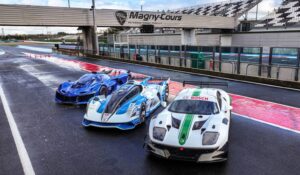
Hydrogen cars at Goodwood Festival of Speed 2025
This year’s Goodwood Festival of Speed featured a focused showing for hydrogen mobility, with four vehicles on display – two static, and two running the Hill.
Together they represented both hydrogen fuel cell and hydrogen combustion technologies, across commercial, motorsport, and prototype applications.
Toyota GR LH2 – Static display, paddocks
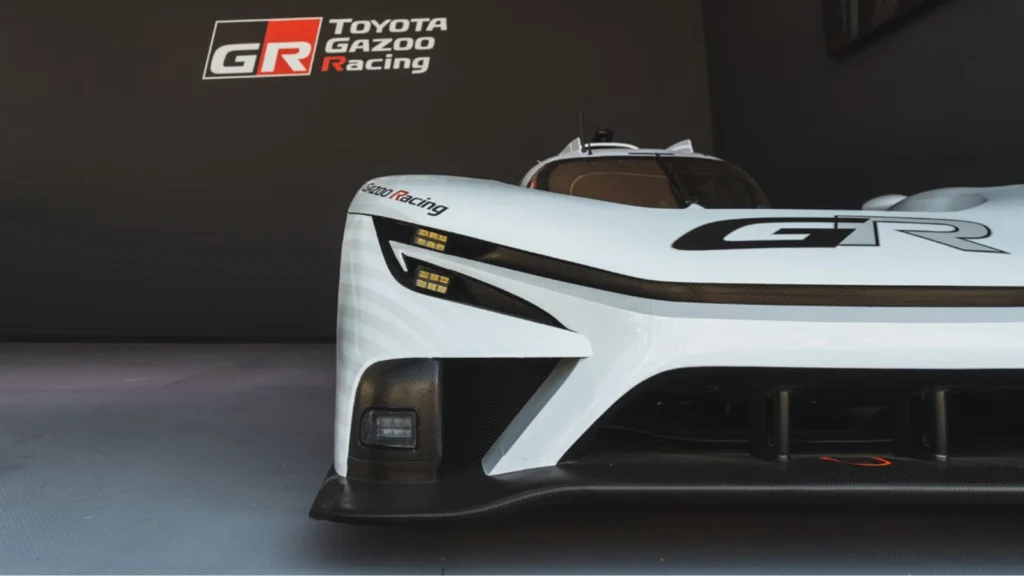
Down in the paddocks, Toyota also showed off its Gazoo Racing LH2 concept – sleek and high performance hydrogen-combustion engined prototype based on the GR010 Hybrid Le Mans car.
This version swaps the hybrid powertrain for a front-mid-mounted engine running on liquid hydrogen.
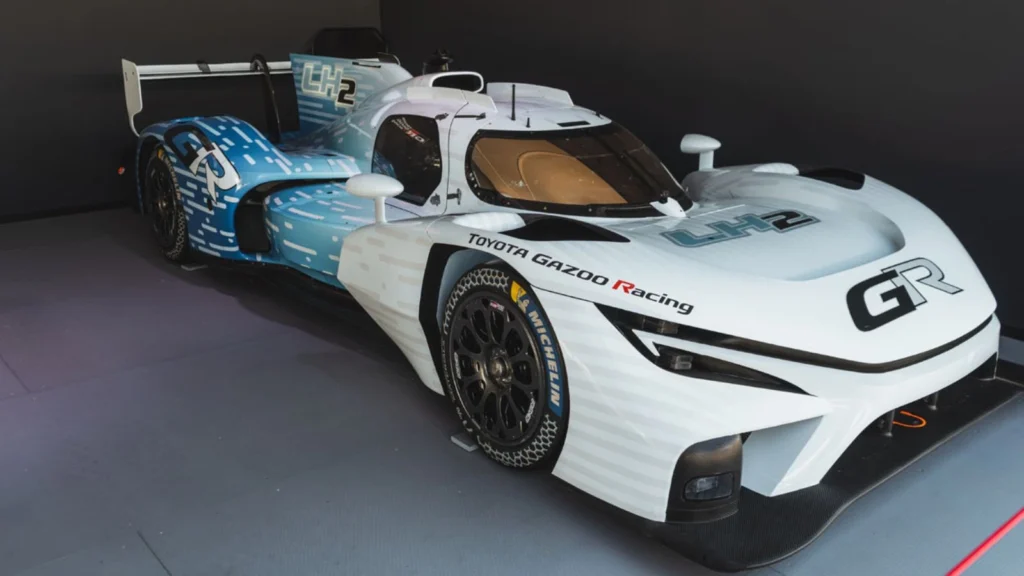
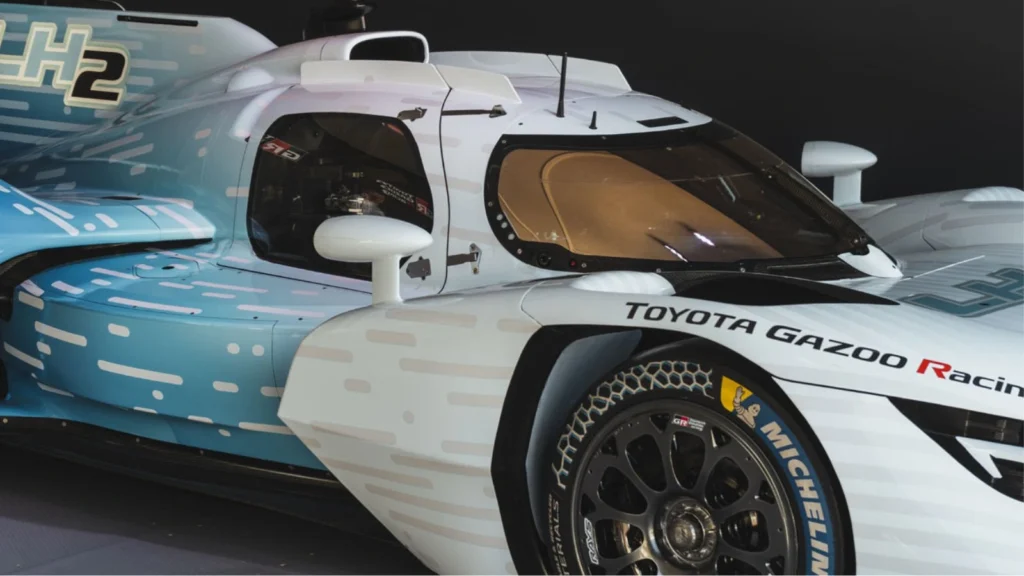

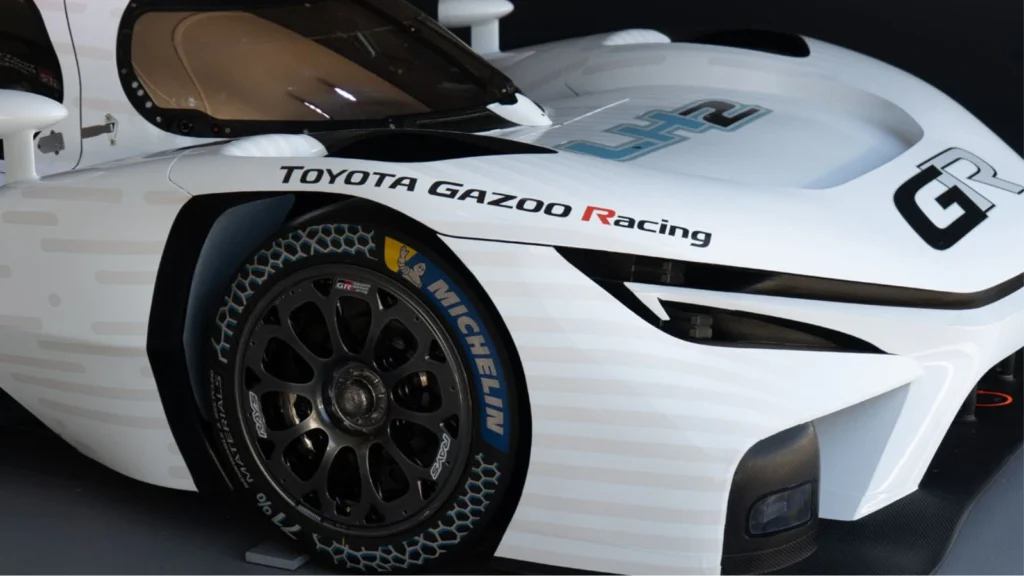
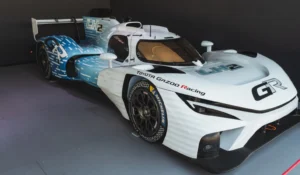
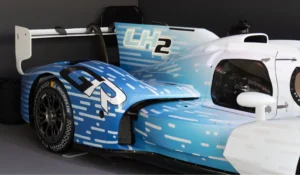
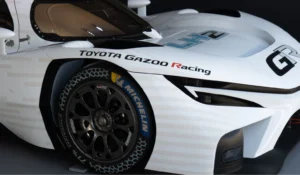
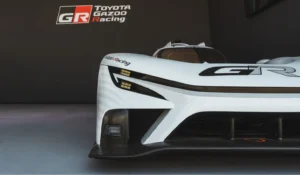
Two cryogenic tanks behind the cockpit store hydrogen at a chilly -253°C. The car hasn’t run in public, and no power or performance data has been released.
It was first revealed at Le Mans in June and remains one of the only liquid hydrogen racing prototypes to be shown publicly.
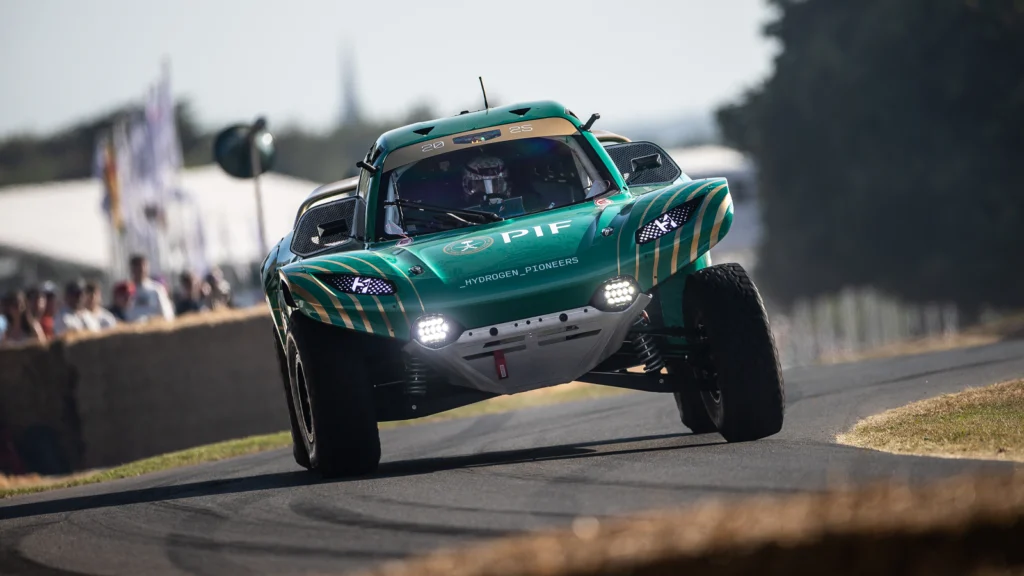
Extreme H Pioneer 25 – dynamic Hillclimb runs
Built by Formula E car builders, Spark Racing Technology, the Pioneer 25 is the race platform for the upcoming hydrogen race series – FIA Extreme H – which is replacing Extreme E from 2025.
It uses a 75kW fuel cell from Michelin-Forvia-Stellantis joint venture, Symbio, a 36kWh battery, and twin 200kW motors – one on each axle – giving a combined output of around 550bhp.
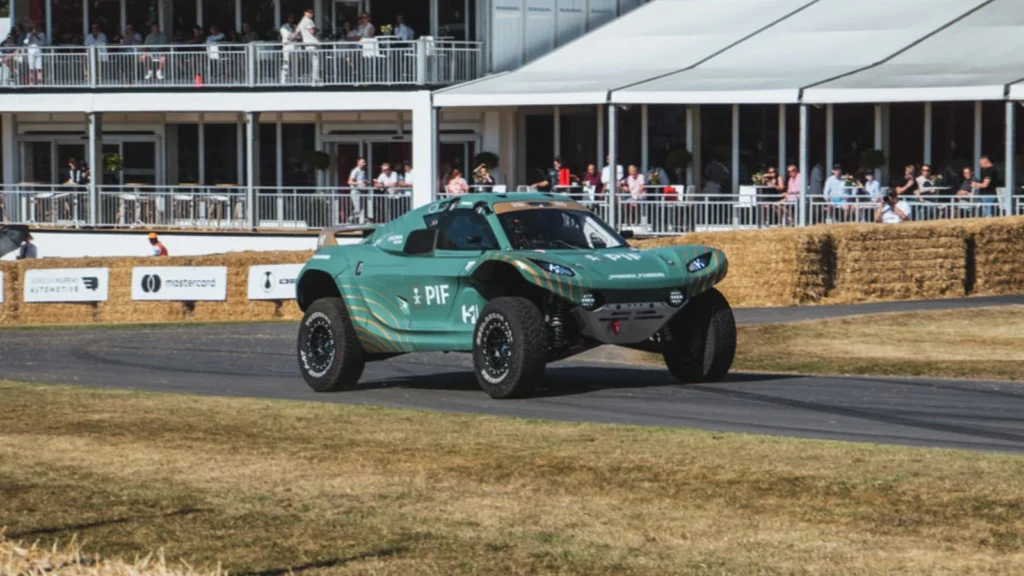
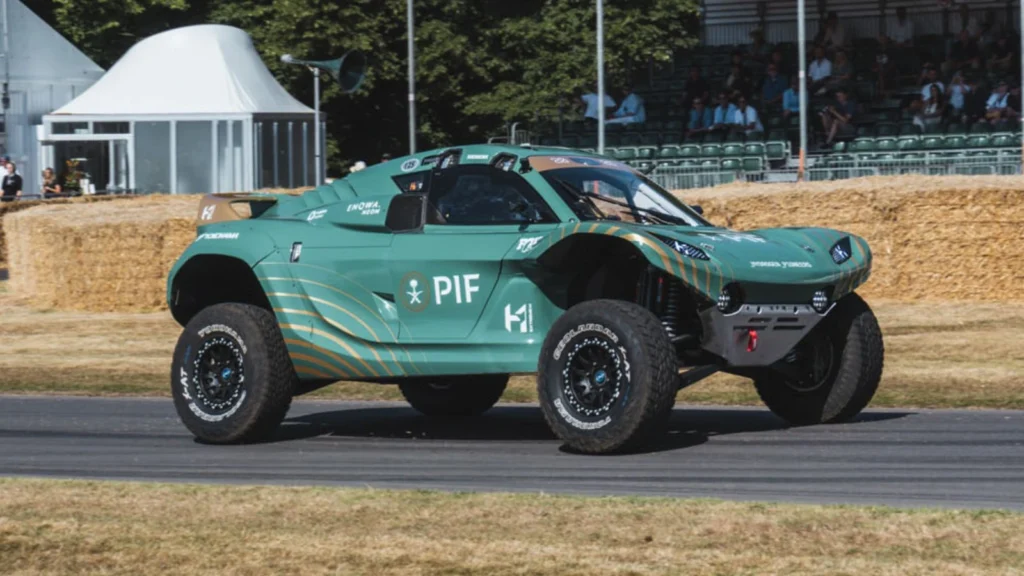

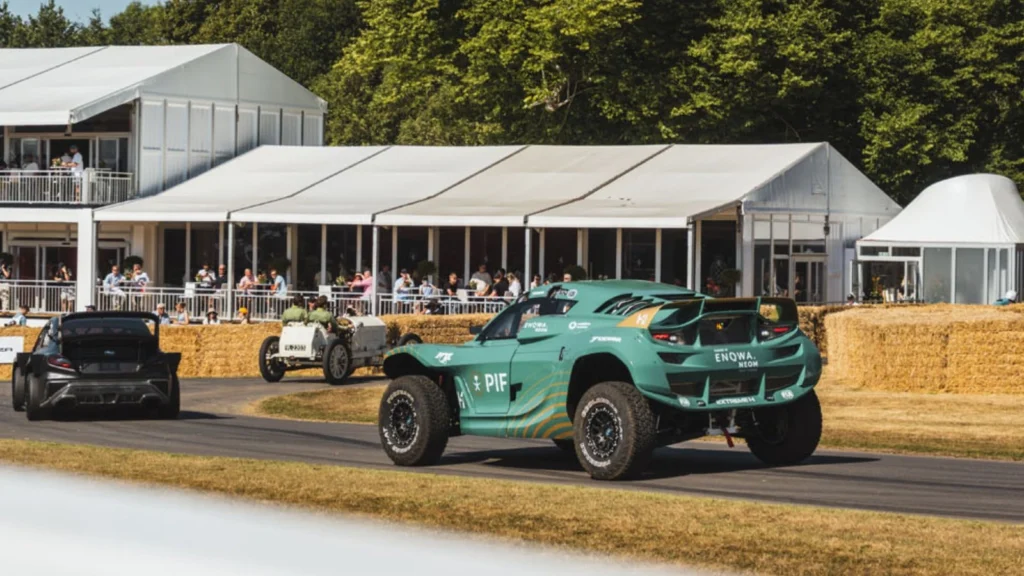
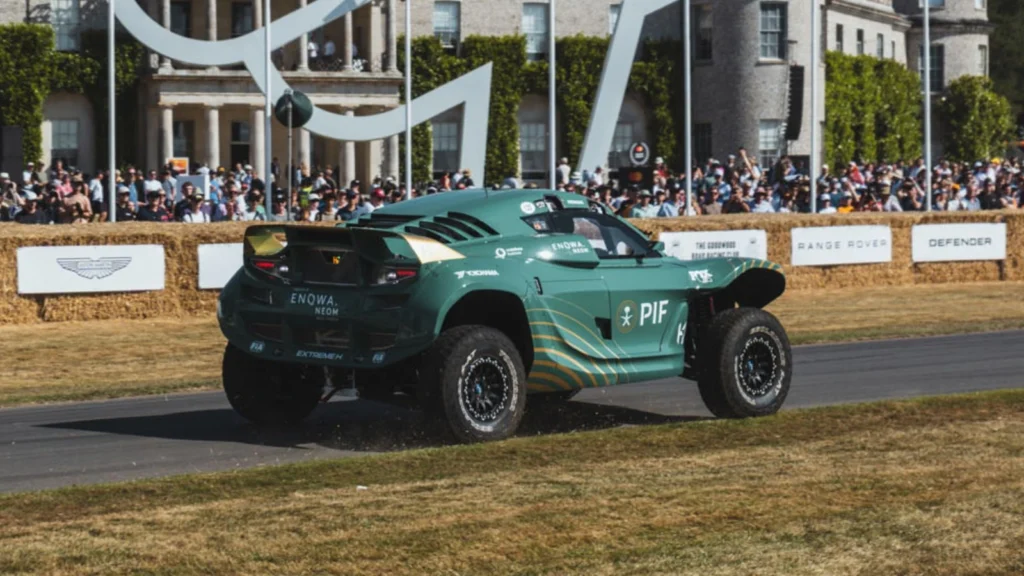
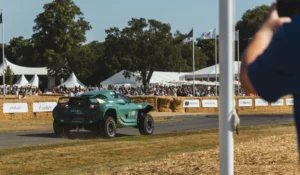
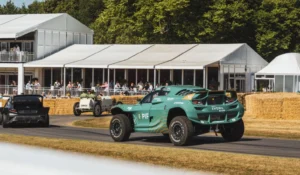
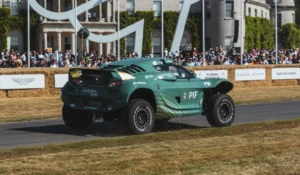
The thing weighs 2.2 tonnes and accelerates from 0-60mph in 4.5 seconds. The off road race car is capable of climbing gradients of up to 130%, in line with its off-road design brief.
The car ran the Hill twice daily with driver appearances from Catie Munnings, Cristina Gutiérrez, Klara Andersson and Amanda Sorensen at the helm.
This was the Pioneer 25’s first public dynamic appearance, ahead of its debut competitive season later this year.
Alpine Alpenglow HY6 – dynamic Hillclimb runs
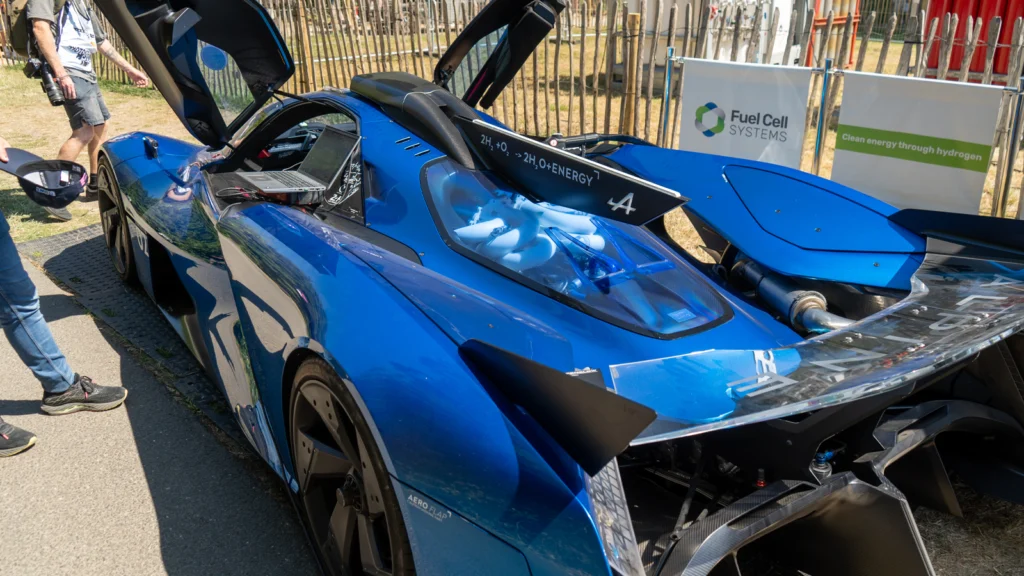
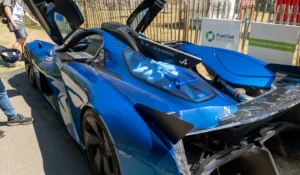
Alpine’s Alpenglow HY6 also ran the Hill, offering a very different take on hydrogen. Based on a Le Mans LMP3 chassis, it uses a 3.5-litre twin-turbo V6, burning compressed hydrogen, stored at 700 bar, turning green fuel into big horsepower and lovely sounds from its tuned Incotel exhaust.
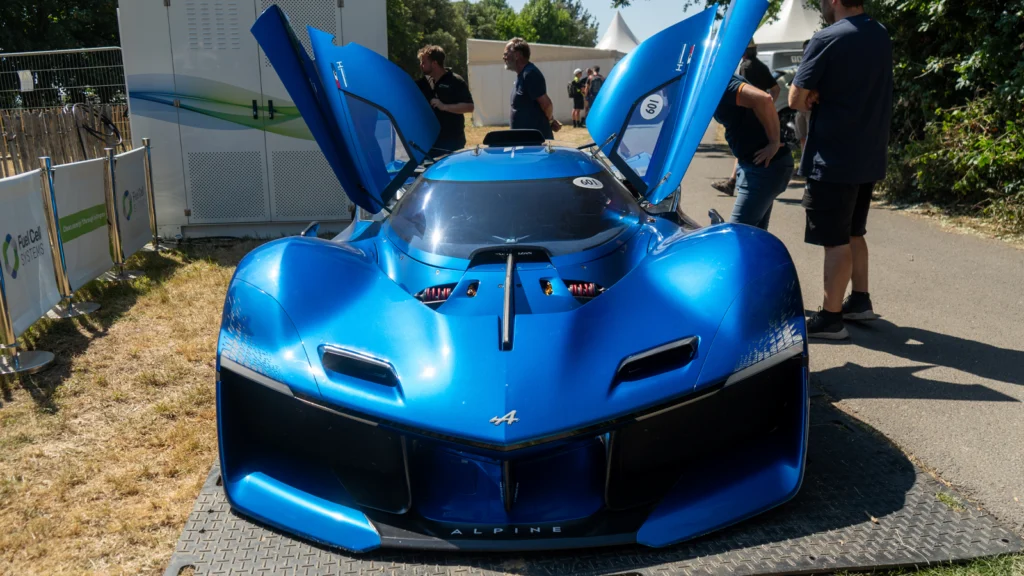
Power is quoted at 740bhp and 770Nm, with a 9000rpm redline. A six-speed sequential gearbox sends power to the rear wheels. Three tanks – one behind the cockpit, one in each sidepod – store 6.3kg of hydrogen.
The HY6 ran each day of the Festival, sounding much like a traditional endurance prototype. It follows the earlier 4-pot Alpenglow concept but is the first to appear publicly in running form.
Toyota Hilux hydrogen prototype – static display, rally stage
Toyota brought one of its hydrogen-powered Hilux prototypes to the event this year, positioned beside the 6R4s and Quattros in the Forest Rally Stage.
This time draped in a Gazoo Racing livery, it looks almost identical to any regular Hilux, but underneath lies a high tech hydrogen fuel cell system borrowed from the second-generation Mirai fuel cell saloon car.
Up front is a 134kW fuel cell stack creating the energy, generating power which is then fed intoa lithium-ion buffer battery mounted in the load bed, all of which is mated to a single rear-mounted electric motor that delivers 300Nm of torque.
Hydrogen fuel is stored in three 700-bar pressurised composite tanks, boasting a total capacity of 7.8kg. Claimed range is somewhere around 365 miles.
Ten of these trucks have been built at Toyota’s Burnaston plant in Derbyshire under a government-backed programme with Ricardo, ETL and others.
Five are undergoing durability testing. The remaining five – including the one at Goodwood – are being used for demos and data gathering.
Refuelling from Fuel Cell Systems
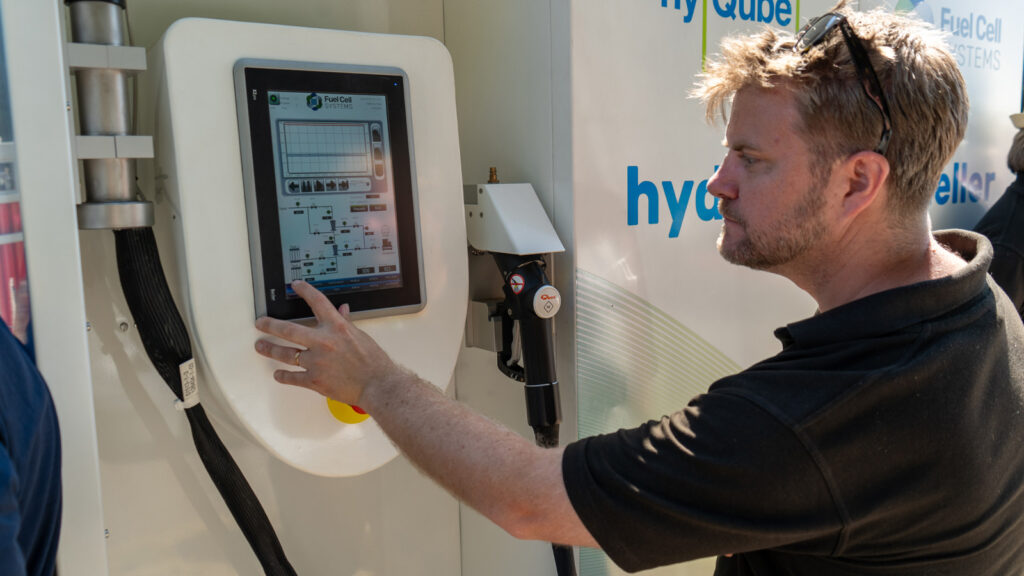
Refuelling was provided for both the Pioneer 25 and Alpenglow HY6 behind the startline using a HyQube 850 mobile hydrogen dispenser from British firm, Fuel Cell Systems.
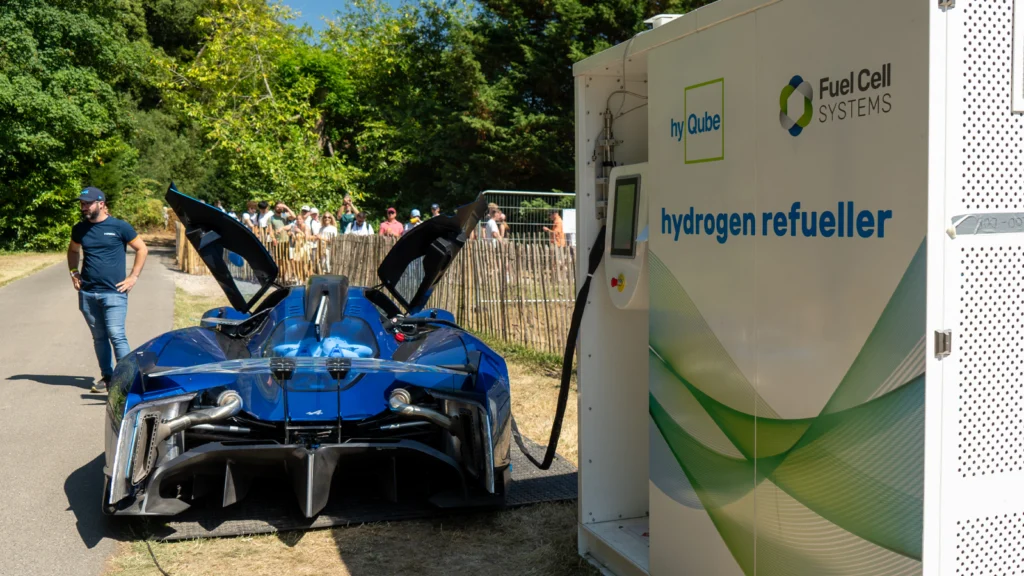


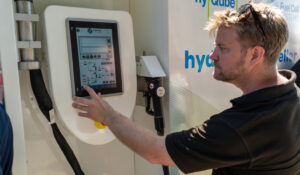


Hydrogen was supplied in high-pressure cylinder packs by Protium (for Alpine) and GeoPura for (Extreme H).
The entire setup was mobile and temporary, dispensing at up to 750 bar. Solutions like this are increasingly being used for motorsport, trials, and early-stage fleet deployments where permanent infrastructure isn’t viable.