Liebherr develops hydrogen combustion engines at Swiss R&D centre
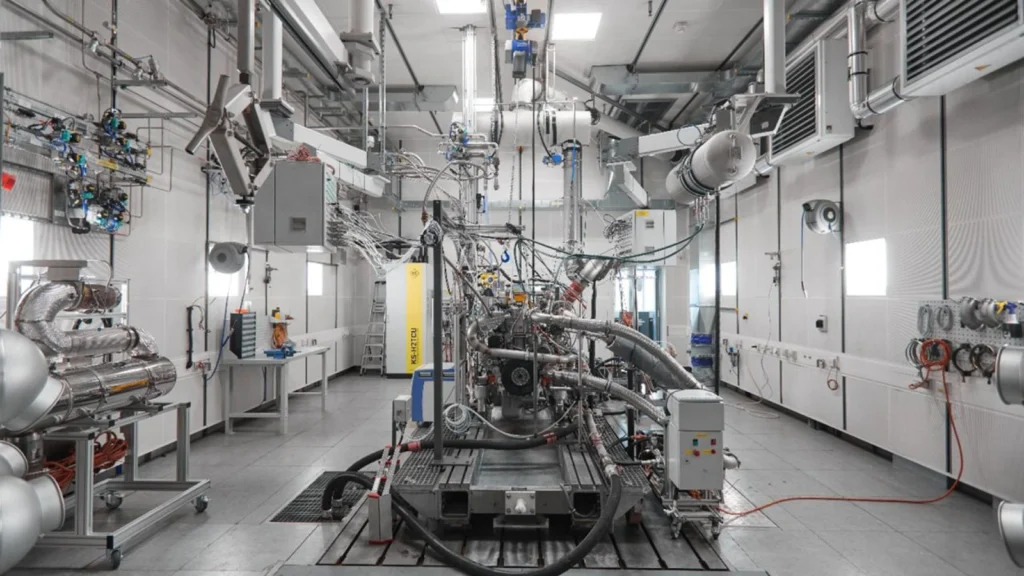
Liebherr Machines Bulle is developing hydrogen internal combustion engines (H₂ICE) at its Swiss testing facility, using dedicated hydrogen-power test benches to refine performance and emissions.
The company, best known for its heavy machinery and off-highway diesel engines, is one of a growing number of industrial firms exploring hydrogen combustion as a drop-in alternative to conventional powertrains – particularly for applications where fuel cells or batteries may face practical limitations.
Hydrogen test benches installed in 2021
The hydrogen R&D effort is based at Liebherr’s engine division in Bulle, Switzerland, where two purpose-built test benches running exclusively on gaseous hydrogen were installed in May 2021.
The benches allow engineers to conduct both stationary and dynamic tests, enabling the team to simulate engine loads, optimise combustion efficiency and evaluate component durability under real-world operating conditions.
Liebherr said the test infrastructure operates under strict safety protocols, reflecting the additional precautions required when working with hydrogen. The company added that the engines under development emit “almost no CO₂” during operation.
While the technology is still at an early stage, the goal is to achieve compliance with current legal exhaust emission limits – likely referring to regulated pollutants such as NOₓ – while maintaining the performance and robustness expected from a Liebherr engine.
Internal combustion, without the carbon
Hydrogen combustion engines operate in much the same way as traditional petrol or diesel engines, but burn hydrogen gas instead of fossil fuels.
While technically not entirely emissions-free, they can eliminate carbon dioxide at the tailpipe, depending on engine calibration and fuel delivery.
Unlike fuel cell systems, they can also be integrated into existing engine architecture – offering a lower-cost, faster-to-market route for OEMs with established ICE platforms and customer support networks.
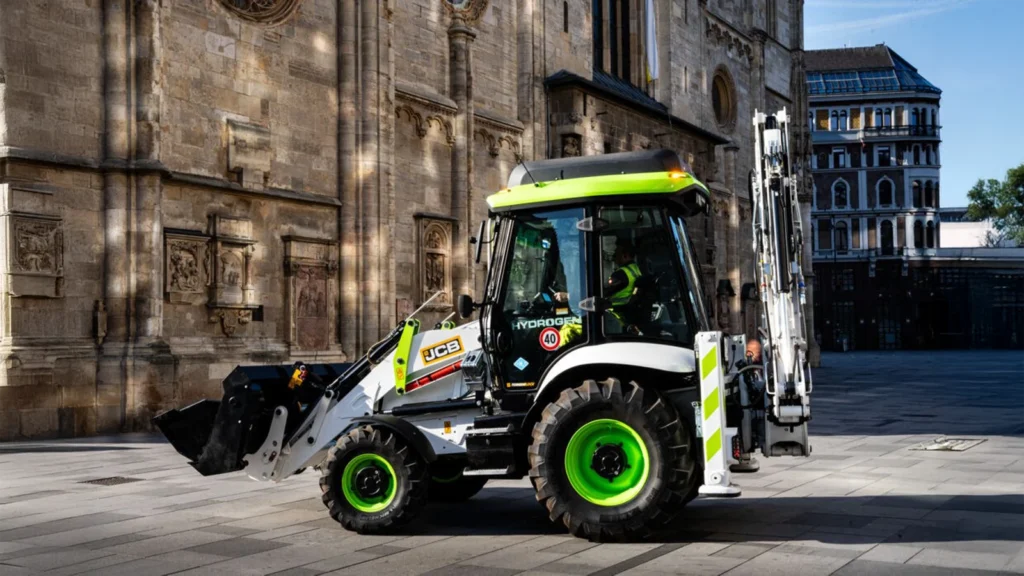
Liebherr is one of several engine manufacturers exploring hydrogen ICE technology for heavy-duty and off-road sectors, alongside companies like Cummins, JCB, MAN, Deutz, and Toyota.
For many, the attraction lies in combining zero-carbon potential with the familiarity, resilience and instantaneous power delivery of traditional combustion.
The firm said: “We work daily to build a better future by developing innovative and environmentally friendly solutions for our combustion engines, while always ensuring high quality and performance.”
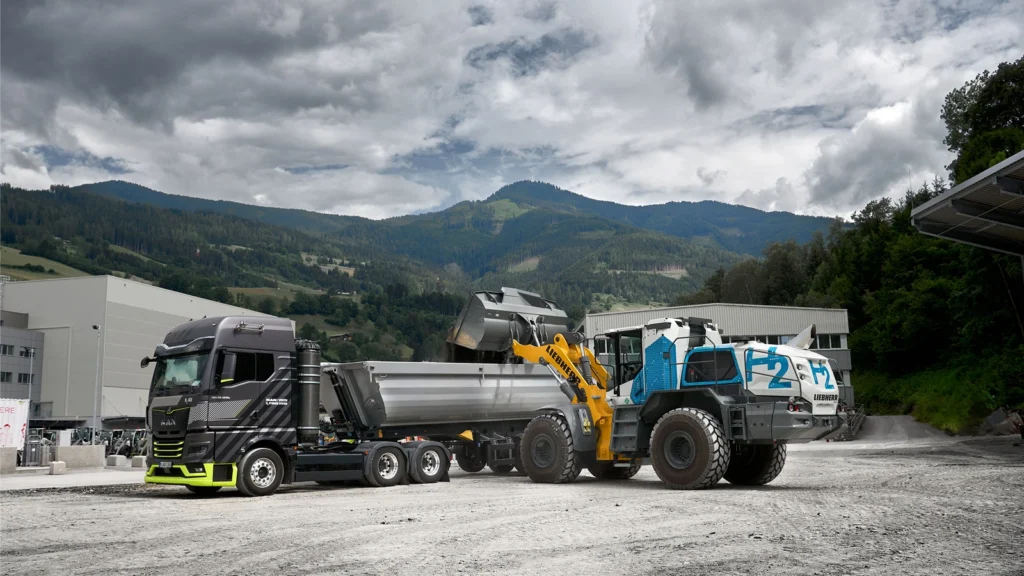
A pragmatic path to clean power
The technology remains well-suited to specific use cases – particularly those with challenging duty cycles, difficult packaging constraints or highly variable loads.
Construction equipment, stationary generators, rail, agriculture and mining are among the most commonly cited target markets.
Liebherr has not yet confirmed which of its future engine platforms will be offered with hydrogen combustion capability, but the presence of long-running hydrogen testing infrastructure suggests a medium-to-long-term commitment.
With the right fuel supply and regulatory support, hydrogen ICE could form a pragmatic, scalable pathway to decarbonising sectors that remain reliant on internal combustion today.