Bosch UK posts £3.3bn in 2024 sales, calls for hydrogen engine recognition
Bosch UK and Ireland recorded £3.3 billion in consolidated sales for 2024, weathering economic headwinds with what Managing Director Steffen Hoffmann called “remarkable resilience.”
The result puts the region as Bosch’s fourth largest globally by revenue – behind only Germany, China, and the US.
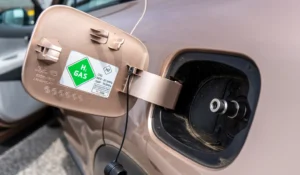
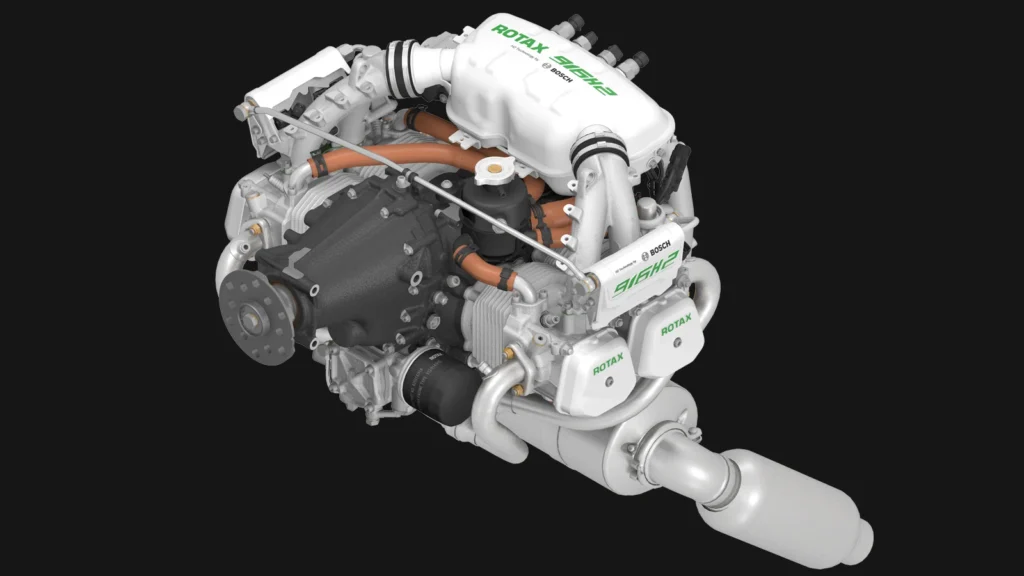
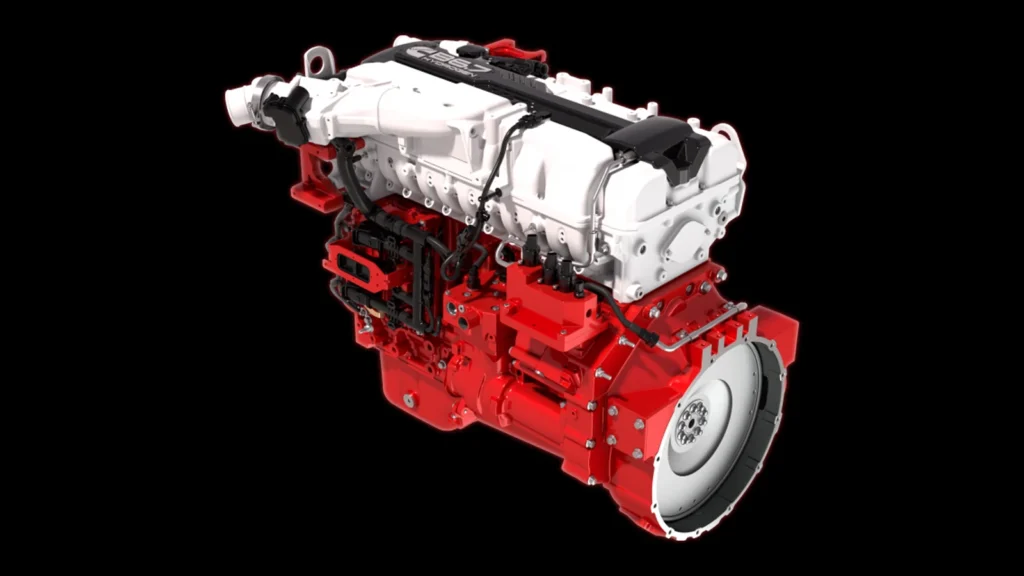
But beyond the financials, Bosch has used its annual results to double down on a clear call to government: hydrogen-powered internal combustion engines (H2-ICE) must be formally recognised as low-emission technology.
Hydrogen ICE engines should count
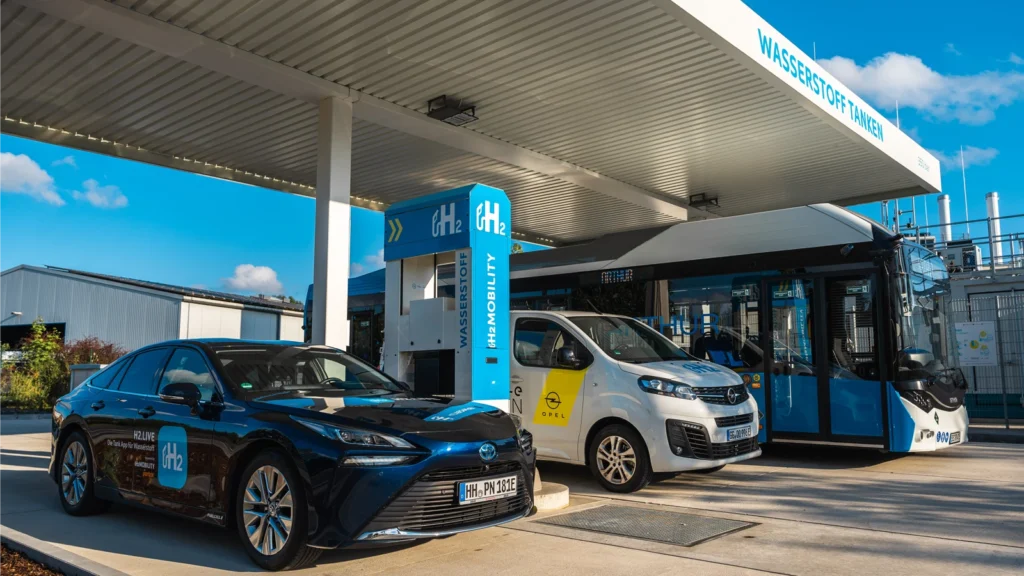
In a direct appeal to policymakers, Bosch urged the UK Government to include hydrogen combustion engines in its low-emission technology framework.
The company argues that clear regulatory recognition would unlock greater investment – especially for hard-to-decarbonise segments like heavy trucks and off-highway machines.
“There is further potential for the UK to reach its net zero ambitions, particularly around the opportunities that hydrogen presents,” said Hoffmann.
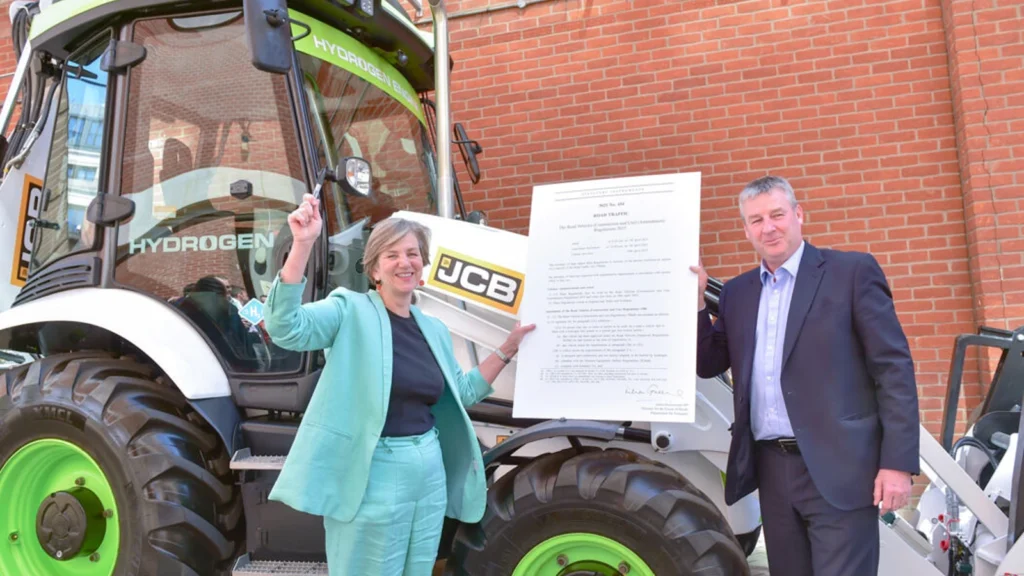
He welcomed recent revisions to the Zero Emission Vehicle (ZEV) mandate but suggested there’s more room to support technology-neutral pathways.
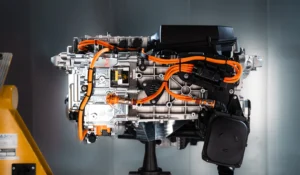
Bosch has previously invested heavily in H2-ICE tech for commercial and industrial applications, including components for large engines and systems integration across its Mobility division.
Aftermarket growth and sector diversification
The strongest performance came from Bosch’s Mobility Aftermarket division, which continued its near-decade run of growth in the UK and Ireland.
The trend reflects broader shifts in vehicle ownership, with more drivers keeping older cars on the road – and seeking service solutions to match.
Bosch says its aftermarket network also plays a key role in upskilling UK mechanics for electric and combustion engine maintenance alike, as part of the broader automotive transition.
Consumer goods, including gardening tools and home appliances, also saw modest growth despite weak consumer confidence.
The Energy and Building Technology division benefited from increased heat pump uptake but had to contend with a contracting boiler market for the second year running.
Medtech and secure truck parking enter the UK
2024 also marked Bosch’s entry into two new business areas in the UK: medical technology and secure truck parking.
Through its ITK Engineering subsidiary, Bosch launched a dedicated UK offering for software development in regulated medical devices – aimed at a growing sector that includes AI diagnostics, wearable tech, and surgical robotics.
Meanwhile, Bosch’s Secure Truck Parking system went live at Northampton’s Red Lion truck stop.
The platform enables real-time booking and improved logistics at high-security parking sites – addressing a well-documented shortage of safe overnight options for HGV drivers. Further roll-out is planned.
Hydrogen, AI and net-zero outlook
Looking ahead, Bosch anticipates only modest global growth of 2-2.5% in 2025, but remains optimistic about long-term opportunities in decarbonisation and digitalisation.
“We continue to deploy artificial intelligence where it can have an impact,” said Hoffmann.
“Hydrogen can decarbonise industries and boost our energy security… it should include heating as well as road traffic.”
Bosch also welcomed recent efforts by the UK Government to improve trade relations with the EU, describing them as a “step in the right direction.”
The company urged policymakers to go further, arguing that closer alignment on trade and regulation would benefit businesses of all sizes.
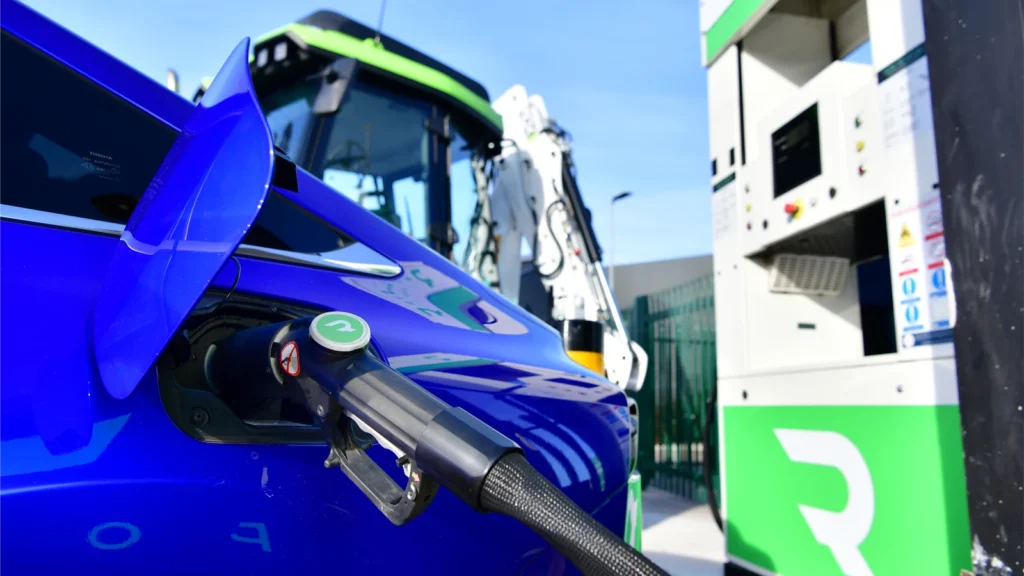
Globally, Bosch is pressing forward with hydrogen and software-defined mobility as core pillars of its Strategy 2030.
The Bosch Group will also invest €250 million through Bosch Ventures to support startups, and sees potential across its portfolio – from factory automation and consumer appliances to HVAC systems and semiconductors.
Despite a tough macroeconomic climate, Bosch says it aims to double its scope 3 CO₂ emissions reduction target from 15% to 30% by 2030, compared to 2018 levels.
UK hydrogen role continues to grow
Bosch’s call for formal hydrogen ICE recognition adds to a growing chorus of industry voices pushing for a more inclusive definition of low-emission vehicles – especially for sectors where fuel cells or batteries aren’t always practical.
With over 6,300 employees across 30 sites in the UK and Ireland, including Worcester Bosch, Bosch Rexroth in Scotland, and an advanced R&D centre in Limerick, the company is positioning itself as a key player in the UK’s hydrogen, AI, and mobility ecosystem.
Whether policymakers will heed its hydrogen ICE push remains to be seen – but Bosch has made its position clear: that technology neutrality is absolutely necessary.