JCB’s hydrogen engine granted full type-approval in Europe
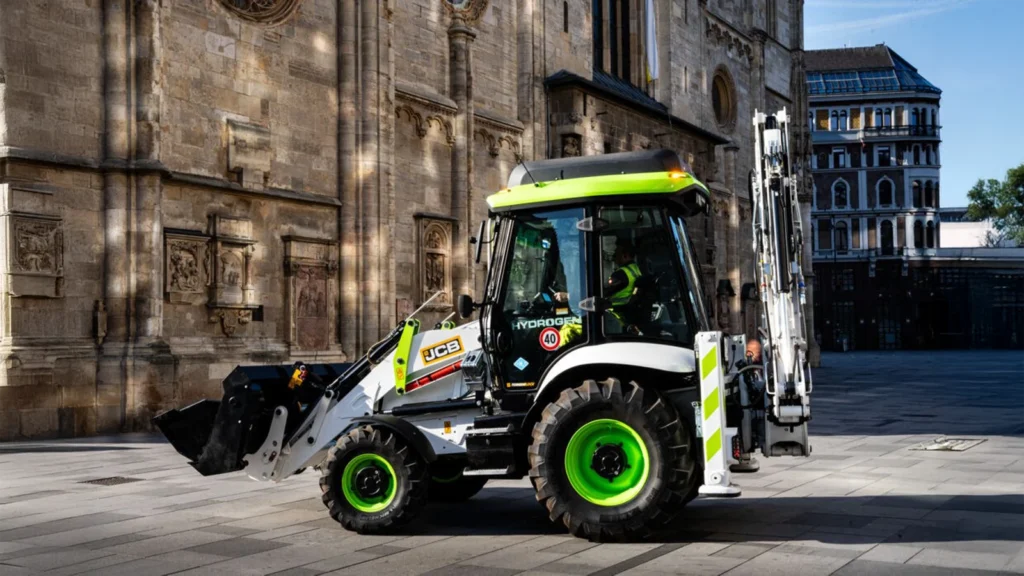
Game on for hydrogen combustion as JCB secures ‘Stage V’ certification, becoming the first construction equipment manufacturer to receive full EU type-approval for a hydrogen combustion engine – thus clearing the way for commercial sales across all 27 member states and beyond.
Granted under Regulation (EU) 2016/1628, the approval certifies that JCB’s zero-CO₂ hydrogen engine meets the EU’s strict Stage V emissions standards for non-road mobile machinery.
It follows earlier provisional approvals in nine European countries, issued under so-called ‘new technology’ exemptions.
But this latest ruling formalises the go-ahead for the entire EU and all associated countries that recognise EU type-approvals, such as those in the European Economic Area (EEA) and European Free Trade Association (EFTA) blocs.
The ruling, JCB hopes, will give the humble internal combustion engine a second life in the age of decarbonisation.
“This is another very significant moment for JCB’s hydrogen programme,” said JCB Chairman Lord Anthony Bamford.
“It was not so long ago that some said it was ‘game over’ for the internal combustion engine in Europe.
“For JCB to have secured full EU type-approval is proof positive that the combustion engine does indeed have a promising future in pursuit of a net zero world if hydrogen, a zero CO₂ fuel, is used instead of fossil fuels.”
The company says it now intends to bring its hydrogen engine technology to market quickly, with customers already trialling backhoe loaders, Loadall telescopic handlers and generator sets powered by the zero-carbon units.
130+ engines, £100 million, and counting
The approval caps nearly four years of intensive development by a 150-strong team of engineers, with JCB having invested over £100 million in the project.
To date, more than 130 prototype engines have been built, with pre-launch trials already well underway.
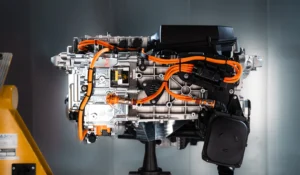
JCB’s hydrogen combustion engine retains much of the architecture and familiarity of its existing diesel platforms, but swaps hydrocarbons for just hydrogen.
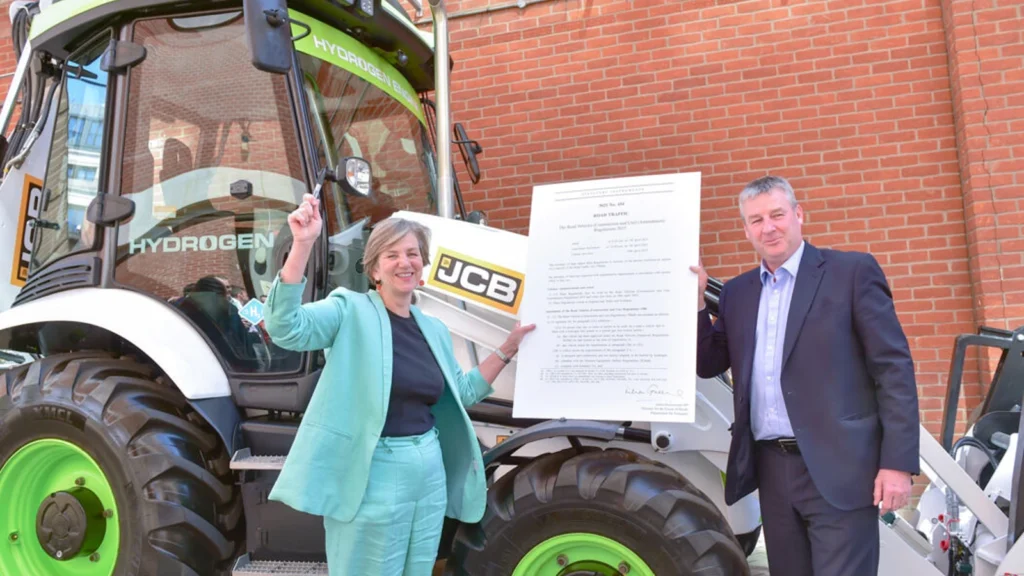
The result is a clean-burning engine with zero tailpipe CO₂, aimed squarely at applications where battery electrification either doesn’t fit or doesn’t deliver.
The engine has already been certified in the UK, with full GB type-approval following a rapid initial approval under new-technology rules.
From R&D to rollout
JCB’s hydrogen push has drawn attention for taking a different route to most clean powertrain projects.
While others lean toward fuel cells or batteries, JCB has stayed firmly in the combustion camp – arguing that hydrogen ICE offers a faster, more practical route to decarbonising off-road equipment that is “not inflationary”.
With full type-approval now in place, the company says the commercial rollout is close.
Lord Bamford said: “Our customers are patiently waiting for our hydrogen-powered equipment to make a difference on their job sites… They won’t have much longer to wait.”