Hydrogen takes flight: Intelligent Energy powers UK’s first long-range drone trial
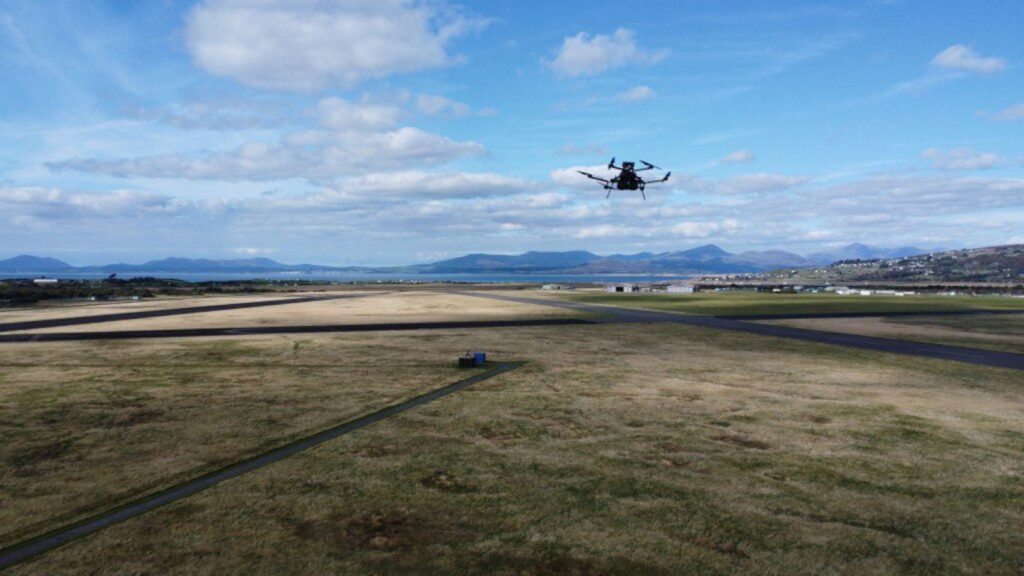
Intelligent Energy has powered the UK’s first hydrogen-fuelled Beyond Visual Line of Sight (BVLOS) drone flight. Consequently, this marks a huge moment for the industry.
Hydrogen is finally stepping in to solve the biggest headache of electric aviation: range.
The trial: Deep into Snowdonia
The flight took place in Llanbedr, Wales, using a robust 25kg hexacopter. The drone utilised Intelligent Energy’s IE-SOAR™ fuel cell system. It flew deep into the Snowdonia National Park and even ventured up to 10km offshore.
So, what was the mission? The team wanted to prove drones can operate safely far beyond the pilot’s view. To achieve this, you need a power source that outlasts standard batteries. Additionally, you need a control system that never drops a beat.
Technical precision: power and control
Intelligent Energy provided the hydrogen muscle to keep the drone airborne for up to three hours. Meanwhile, uAvionix handled the complex task of controlling the aircraft.

The team used uAvionix’s SkyLine system to maintain control. This clever tech seamlessly combines C-Band radio, cellular, and satellite datalinks. As a result, the pilot stays in command, regardless of distance or terrain.
The BT connection
Moreover, BT coordinated the entire trial. This serves as a heavyweight endorsement for the technology’s viability. BT’s involvement highlights a critical point: robust connectivity is vital for the future of logistics and emergency services.
Dave Pankhurst, Future Connected Solutions Director at BT, commented on the success:
“At our Drone Connect Demo Day in Snowdonia we supported the UK’s first hydrogen powered Beyond Visual Line of Sight drone flight, proving how multi-layered connectivity and hydrogen power can enable longer, zero-carbon flights in challenging environments.
It’s a big step toward certified services that will let emergency responders and logistics providers operate further, safer and more sustainably than ever before.”
Why it matters
Battery-powered drones are fantastic, yet they suffer from short flight times. In contrast, hydrogen offers a huge leap in energy density. It allows for rapid refuelling and extended flight durations. Thus, real-world tasks like search and rescue become viable.
Intelligent Energy provides the power, while major players like BT and uAvionix prove the infrastructure. In combination, they are positioning the UK at the forefront of the commercial drone revolution.
Range anxiety? Not up here.