China targets 4 million hydrogen vehicles by 2040 in bold new roadmap

China has just raised the bar for hydrogen mobility. According to China Daily, the country’s new Technology Roadmap 3.0 for Energy-Saving and New Energy Vehicles outlines plans for a hydrogen fleet exceeding four million vehicles by 2040.
The roadmap, developed by the China Society of Automotive Engineers, sets the direction for the next phase of China’s transport transformation. It builds on earlier strategies from 2016 and 2020 and focuses on cutting emissions, improving efficiency, and developing both battery-electric and hydrogen technologies in parallel.
Hydrogen moves from niche to national priority
Battery-electric vehicles may still dominate sales today, but China’s latest roadmap gives hydrogen fuel-cell vehicles a far bigger role in the long term. The plan aims to scale from roughly 10,000 vehicles today to more than four million within 15 years — a jump that would make China the largest hydrogen-vehicle market on Earth.
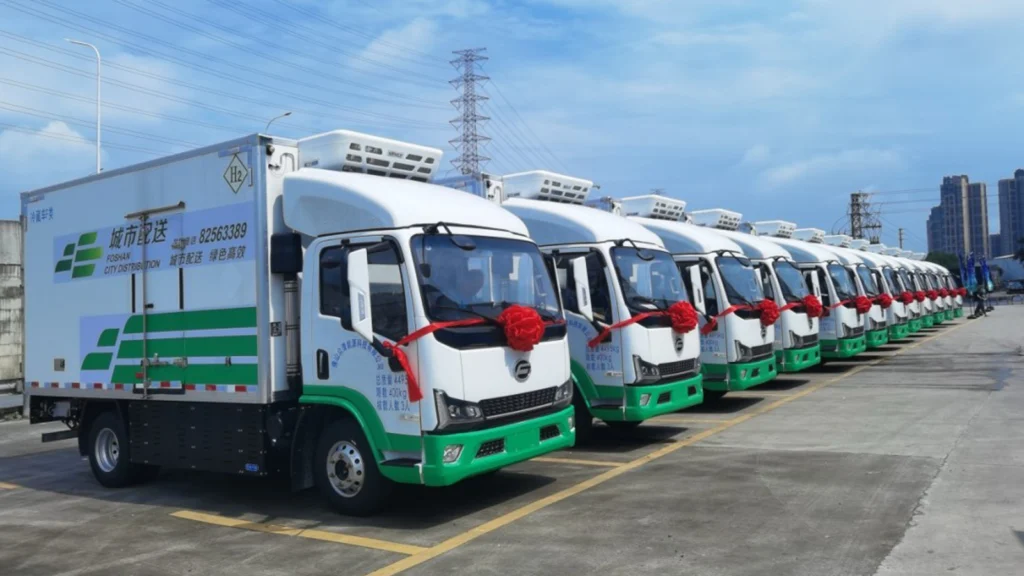
Hydrogen’s focus will be on areas where batteries struggle: long-distance freight, buses, heavy-duty logistics and commercial fleets. This approach makes use of hydrogen’s fast refuelling and high energy density while keeping battery vehicles focused on urban and short-range travel.
Key targets in Technology Roadmap 3.0
The roadmap sets out a clear list of targets for the next 15 years:
- Over 80 percent of new passenger-car sales to be new-energy vehicles by 2040
- Carbon emissions to peak before 2028, falling by more than 60 percent by 2040
- Hydrogen fuel-cell vehicle numbers to exceed 4 million units by 2040
- Expansion of smart-connected and autonomous vehicle systems to improve efficiency and safety
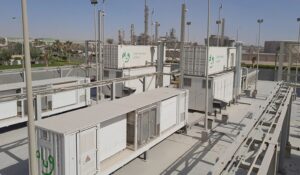
To achieve these goals, China will expand hydrogen production hubs, build nationwide refuelling infrastructure and promote industry collaboration across research, manufacturing and transport sectors.
What it means for the hydrogen industry
For hydrogen advocates, this roadmap offers something vital: scale and certainty. Government backing at this level almost guarantees a surge in funding, infrastructure and supply-chain development.
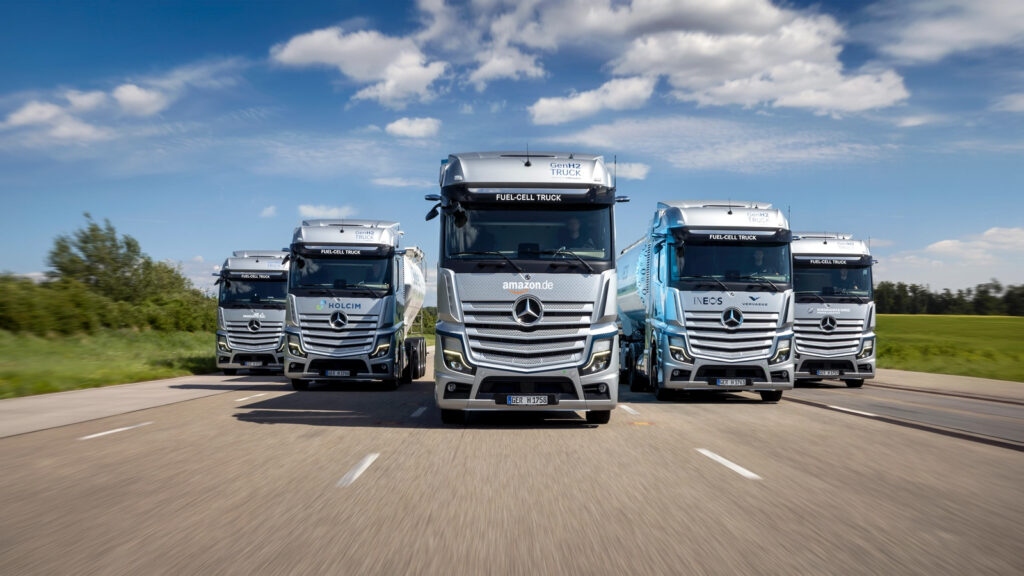
Hydrogen technologies are expected to find strong footing in public transport, commercial fleets and long-range logistics. Meanwhile, research and pilot zones will push down costs and improve durability for fuel-cell systems.
Challenges remain, of course. Infrastructure is still limited, and hydrogen production costs must continue to fall. However, with national coordination, policy support and industrial investment, those barriers look far more surmountable than before.
A global ripple effect
China’s roadmap will likely reshape global clean-mobility strategy. A target of four million hydrogen vehicles gives suppliers and automakers worldwide a clear signal to accelerate development.
For the UK and Europe, this represents both an opportunity and a warning. China’s scale could rapidly lower costs for hydrogen stacks, storage and fuelling systems. Countries that delay building refuelling networks risk falling behind as hydrogen mobility matures elsewhere.
If China succeeds, hydrogen will no longer be a side project. It will sit alongside batteries as a core pillar of global transport.
Final thoughts
China’s Technology Roadmap 3.0 marks a major shift in clean-mobility thinking. Hydrogen is no longer an experiment — it’s part of the main plan.
With the target of four million fuel-cell vehicles by 2040, China has shown the scale of its ambition. Now it’s up to the rest of the world to keep pace.