Extreme H: Ready to race as final testing complete for hydrogen’s first FIA World Cup
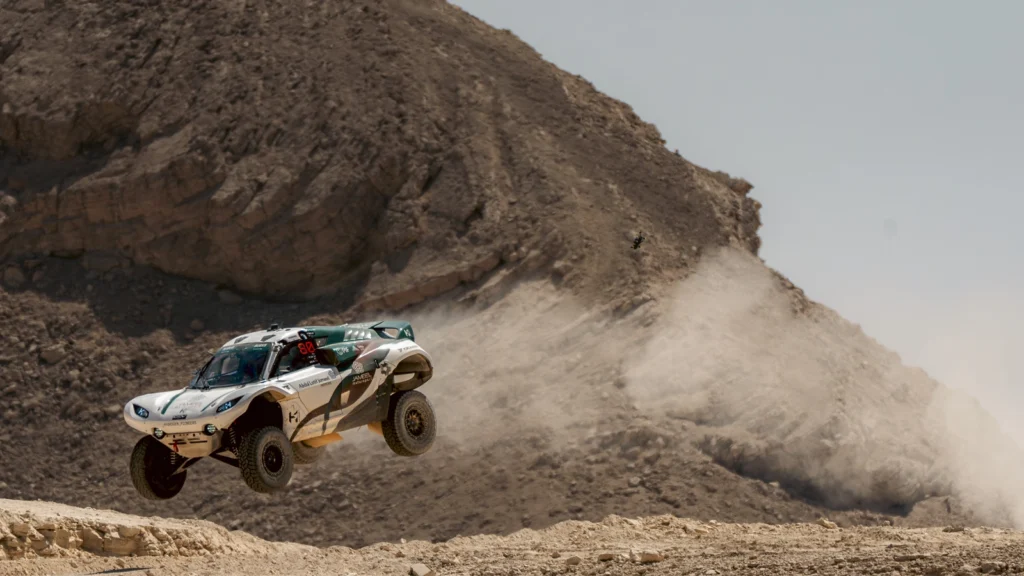
The dust is already hanging in the air above Qiddiya’s desert circuit, and it isn’t even race day yet.
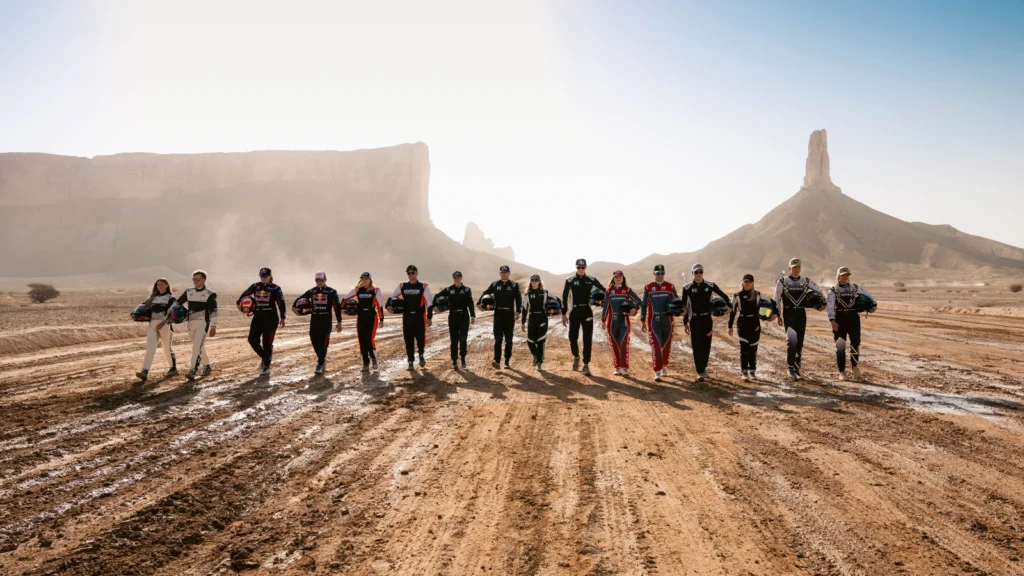
Drivers have spent the last two days pushing the new Pioneer 25 – the world’s first hydrogen-powered off-road race car – through its paces before tomorrow’s opening round of the FIA Extreme H World Cup.
After months of controlled testing and trailer teases, this week is the first time all eight teams have driven the finished car in anger.
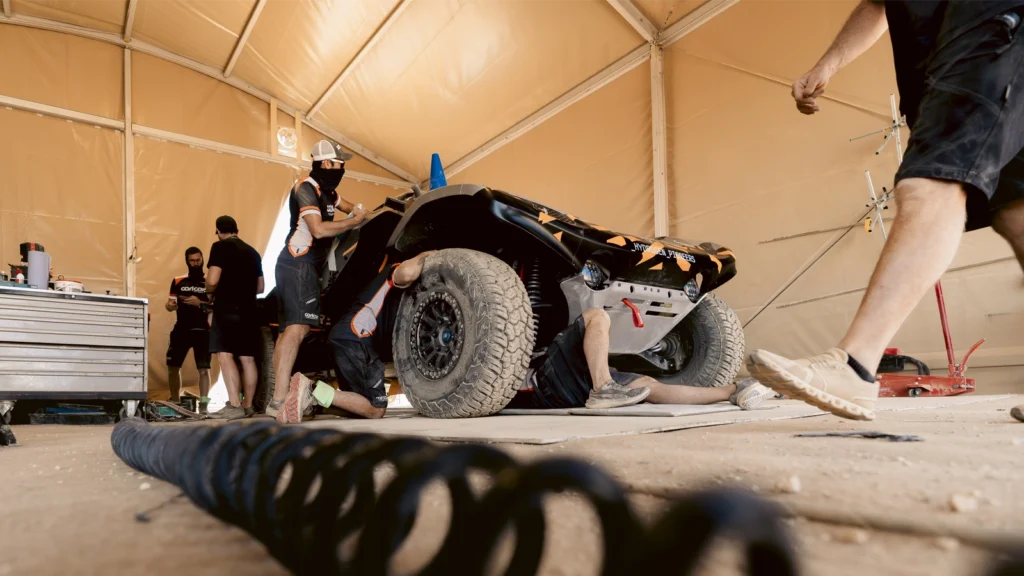
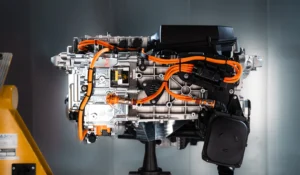
The Pioneer’s 400 kW hydrogen fuel-cell system feeds twin electric motors delivering roughly 550 horsepower, replacing battery packs as the main propulsion method that powered Extreme E.
“It’s been great to hear teams talking about setup, not reliability,” said technical director Mark Grain. “The more toys you give great drivers, the better – they love all this.”
New tools, new physics
The Pioneer’s biggest leap over its battery-era predecessor is its suspension. Active dampers from Fox allow drivers to change the car’s behaviour mid-run, using damper maps to handle the violent compressions and jumps that define Extreme H’s courses.
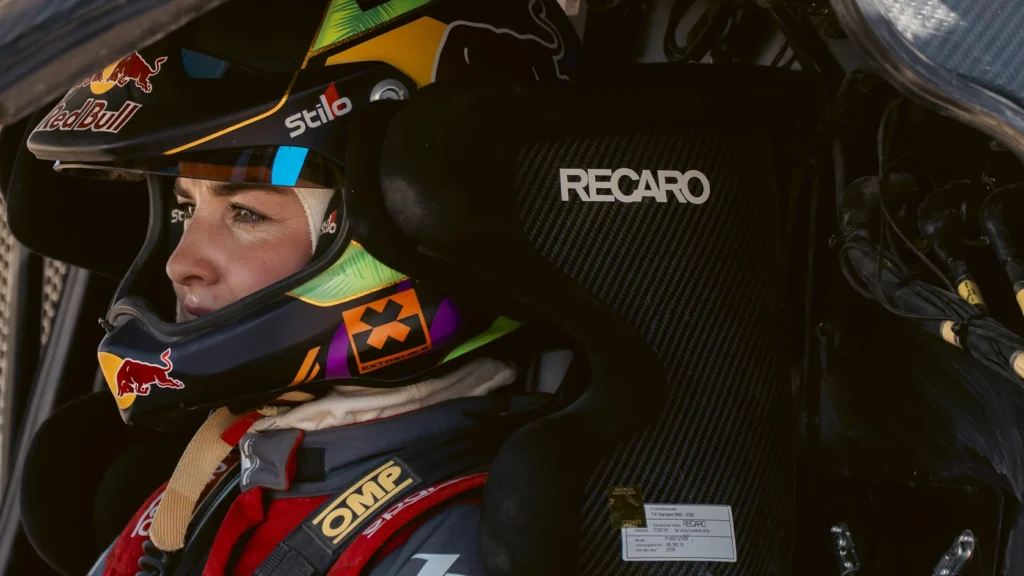
Team Hansen’s Catie Munnings said it feels like a proper off-roader now: “The geometry and suspension upgrades make it feel capable of hitting bigger ruts and bumps. It’s exciting to see how the hydrogen system interacts with the motor to charge while we’re on track.”
Jameel Motorsport’s Molly Taylor described the setup work as “a race within a race” and saying “there’s so much more scope now – all the teams are hunting for that sweet spot before qualifying.”
Learning to fly
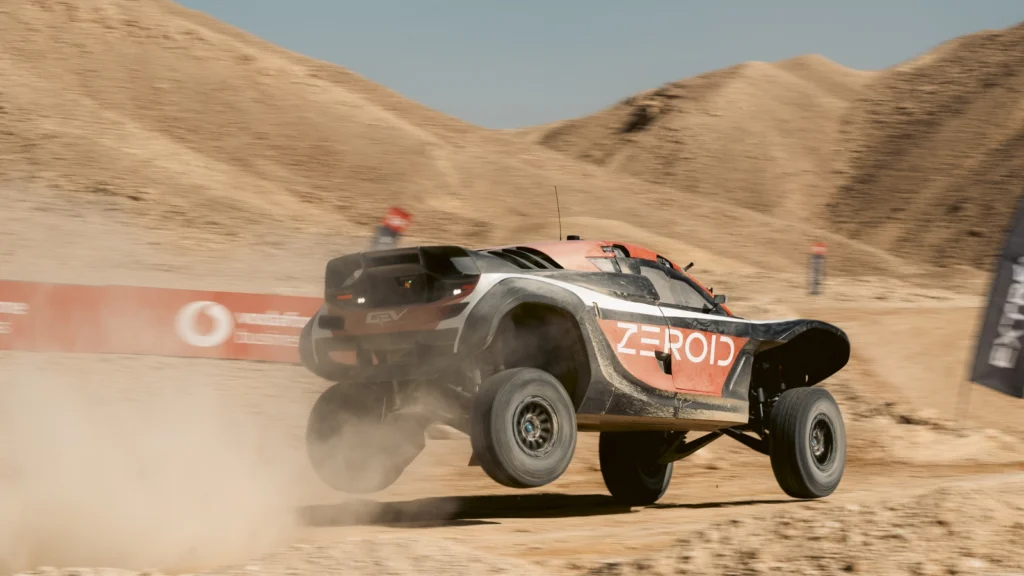
Testing included full-speed runs over Qiddiya’s new 532-metre Head-to-Head course, featuring the biggest jump of the event and a chicane section designed to stress the Pioneer’s traction and braking control.
“The car flies nicely,” said Grain. “Drivers can control it by lifting or braking at key points. Reliability’s been good.”
STARD’s Amanda Sorensen said her engineers were “deep in torque maps and power distribution,” while Carl Cox Motorsport’s Timo Scheider added: “we’ve run through damper settings, traction, torque balance – lots of new knobs to turn.”
The format
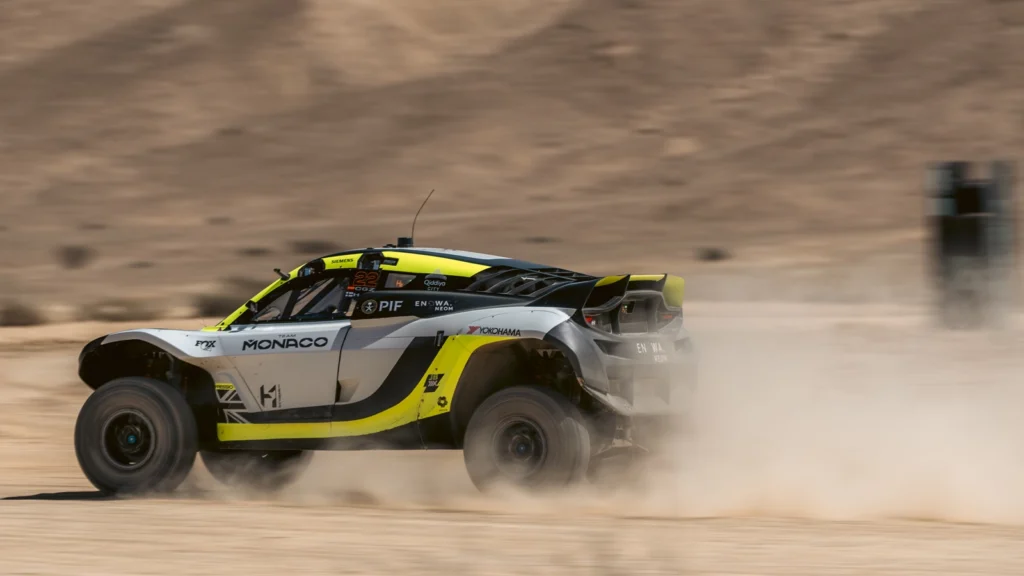
Extreme H’s first-ever World Cup unfolds over three days:
- Thursday: Time Trial – solo runs to set combined times
- Friday: Head-to-Head duels
- Saturday: Multi-car races and an eight-car Final
It’s the same wild format as Extreme E – just with hydrogen tanks where the batteries used to be, and no carbon out the back.
Tomorrow’s time trials will give the first clue as to which team’s cracked the code – and whether hydrogen’s new frontier can deliver the same thrills, only cleaner.