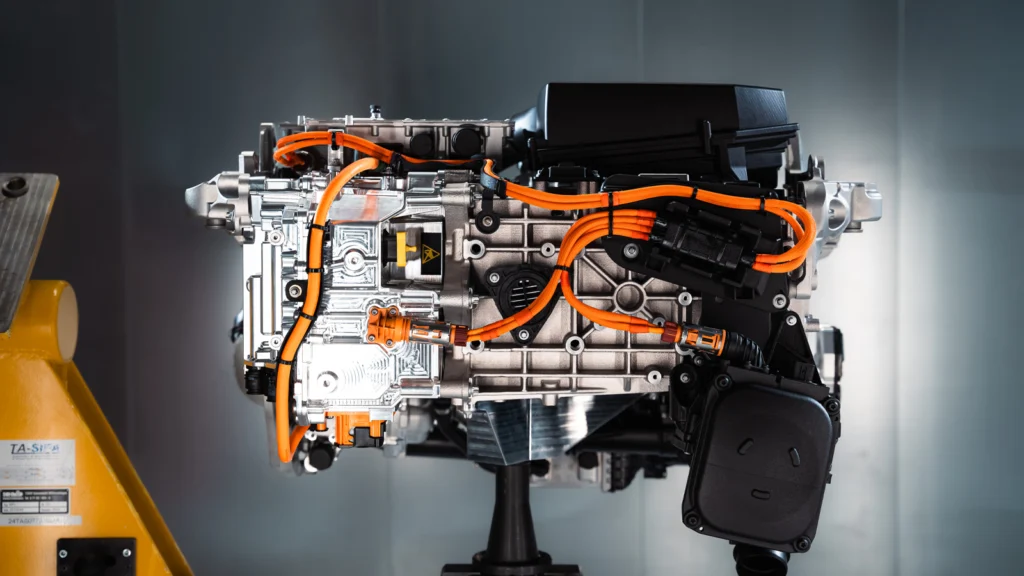
What the FIA really thinks of hydrogen
The FIA has long been cautious in its attitude towards new technology, not wanting to destabilise the carefully balanced importance of shareholder and public interest.
FIA Circuit Sport Deputy Director Stuart Murray was recently interviewed by TouringCarTimes and shed some light on the organisation’s long-term attitude to hydrogen within the sport.
Cautiously interested
Murray stated, “With hydrogen, obviously we’re interested, and we see different projects going on around the world outside the direct FIA jurisdiction.”
A prominent example is the Super Taikyu, translated as super endurance. This pro-am Japanese series is driven by manufacturers such as Toyota and used to promote the viability of hydrogen by running liquid hydrogen concepts.
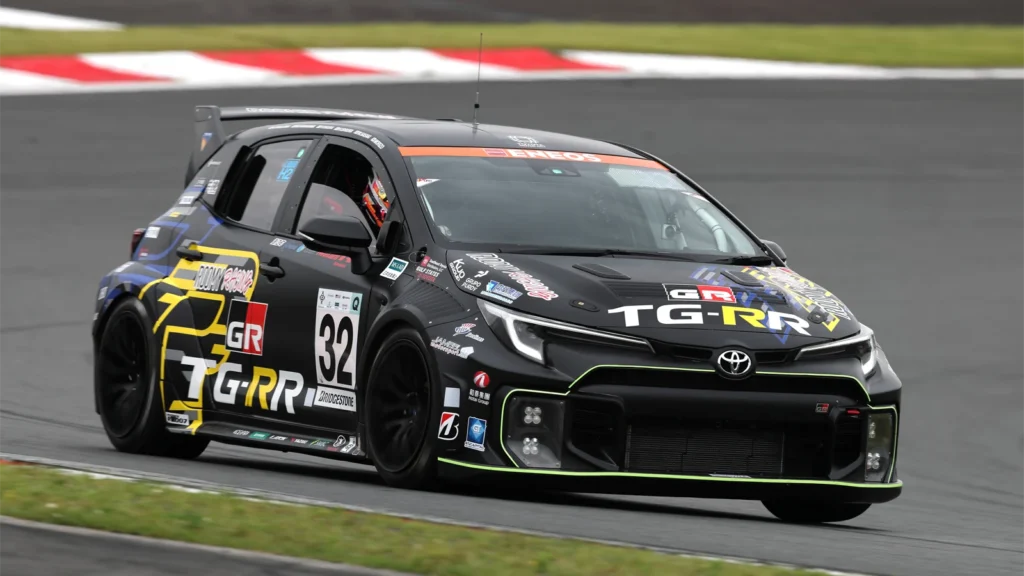
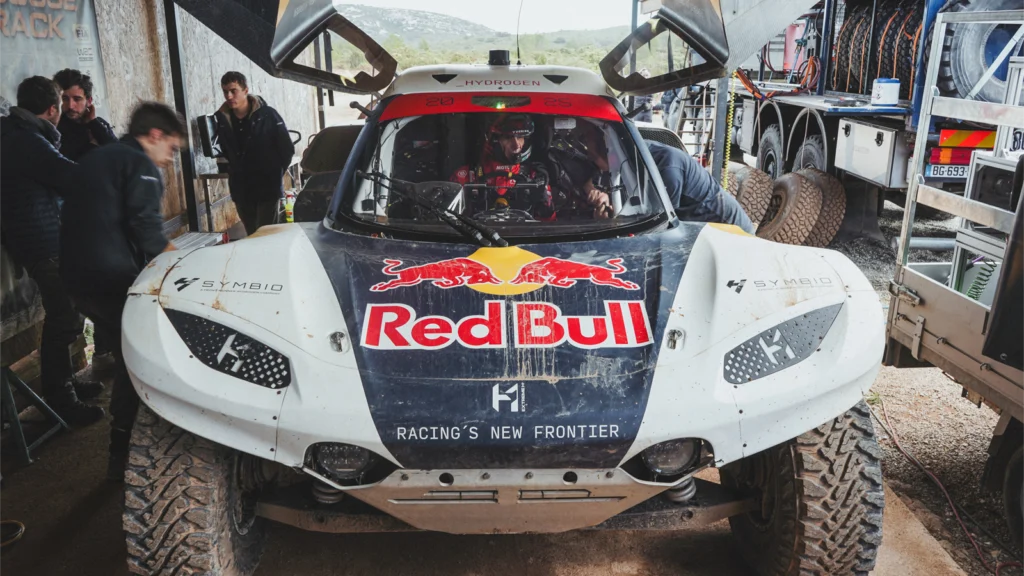
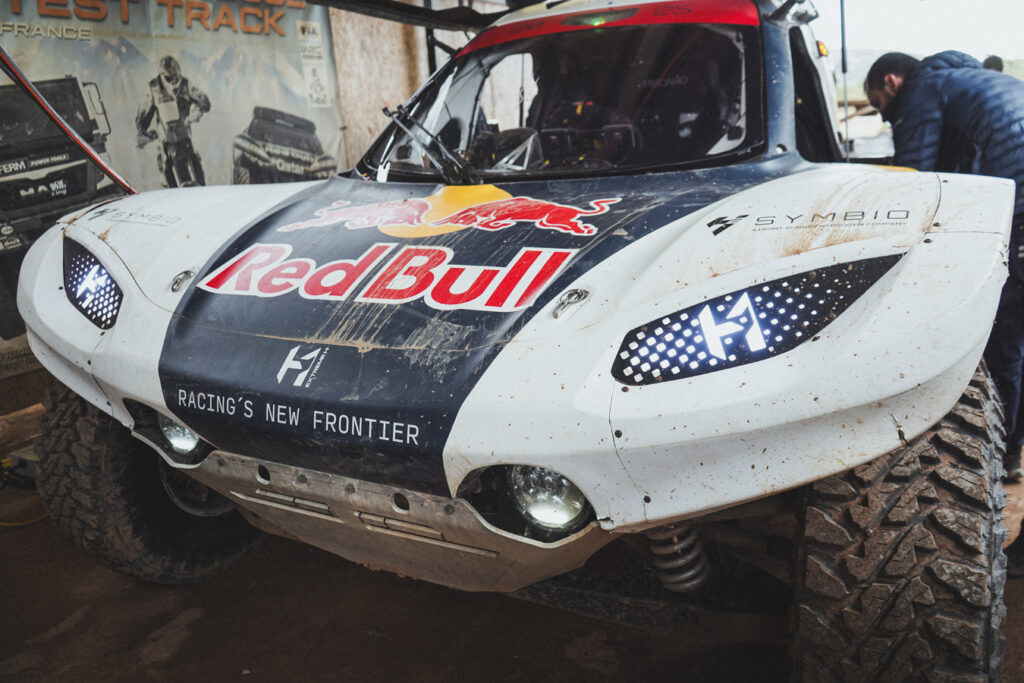
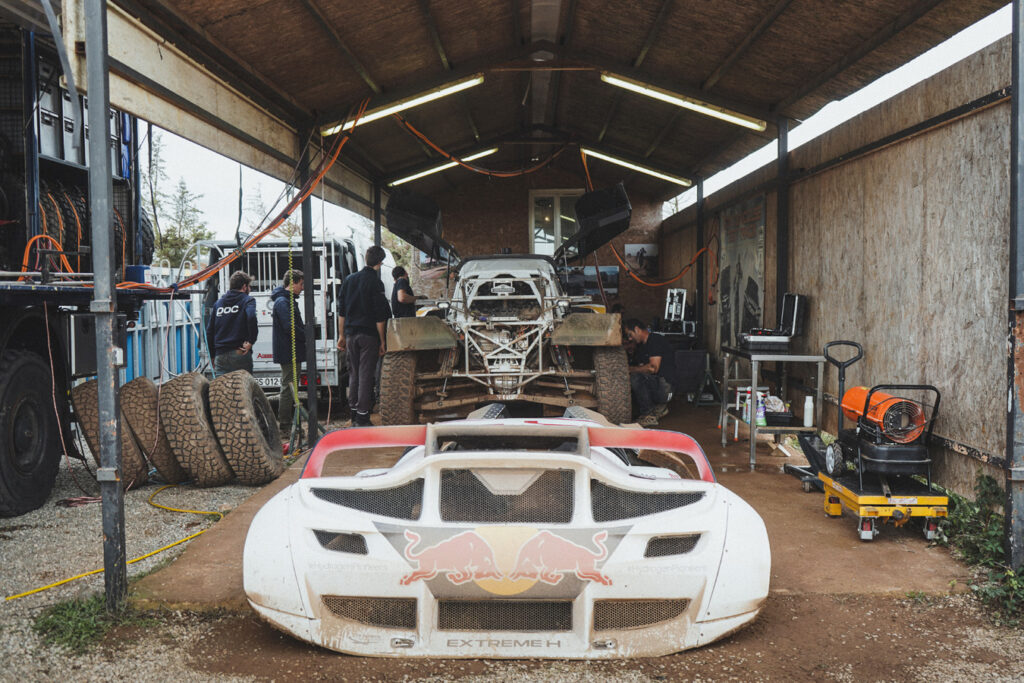
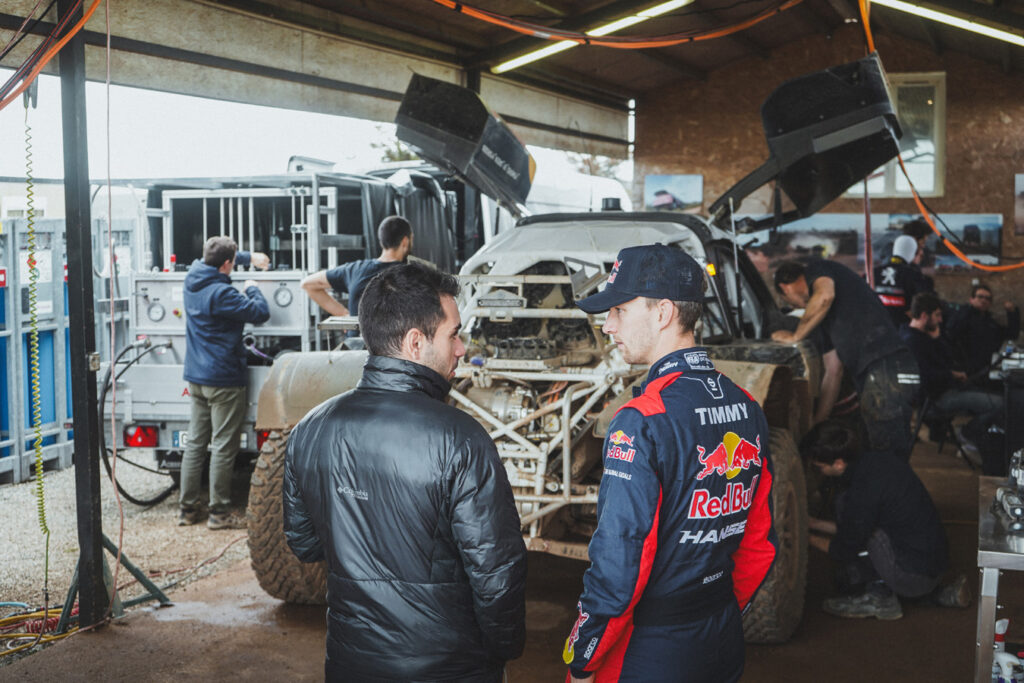
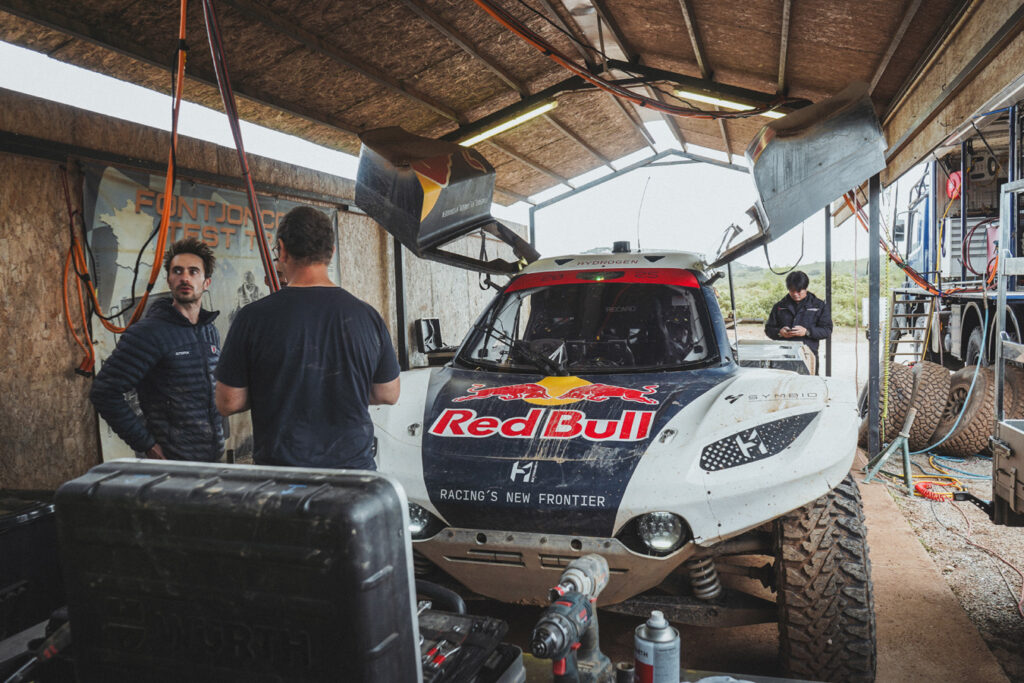
The FIA has recently taken a more public step in support of hydrogen motorsport by backing the incoming Extreme H series.
Murrey justified this position: “If you look at what’s coming on as the first FIA hydrogen competition, Extreme H, it has had some healthy crashes, as the evolution of the Extreme E competition.”




FIA not trying to kill the thrill
The FIA’s priority when evaluating new and existing forms of racing has always been safety. Its website argues that it “is not trying to kill the thrill that makes our sport unique. Our objective is to make the motor sport environment safer by mitigating the consequences of accidents.”
Murrey describes how this key principle had been applied to the development of hydrogen technology “At the FIA, along with the different partners that we have who are all involved in a hydrogen safety working group, we’ve spent quite a lot of money and quite a lot of time testing, to the point of deliberately blowing up some cars, just to test,”
Remember that it was only in June of 2025 that we received the first FIA set of hydrogen safety regulations, which detailed the proper standards for liquid hydrogen’s vehicle integration, storage, and refuelling.

Hydrogen safety regulations established
Hydrogen, as a relatively youthful field of technology, is ever shifting. Murrey explains that “Originally, hydrogen gas was going to be the propellant but based on the work that was done by the FIA safety department, we’ve switched directions to liquid hydrogen, and that’s very interesting.”
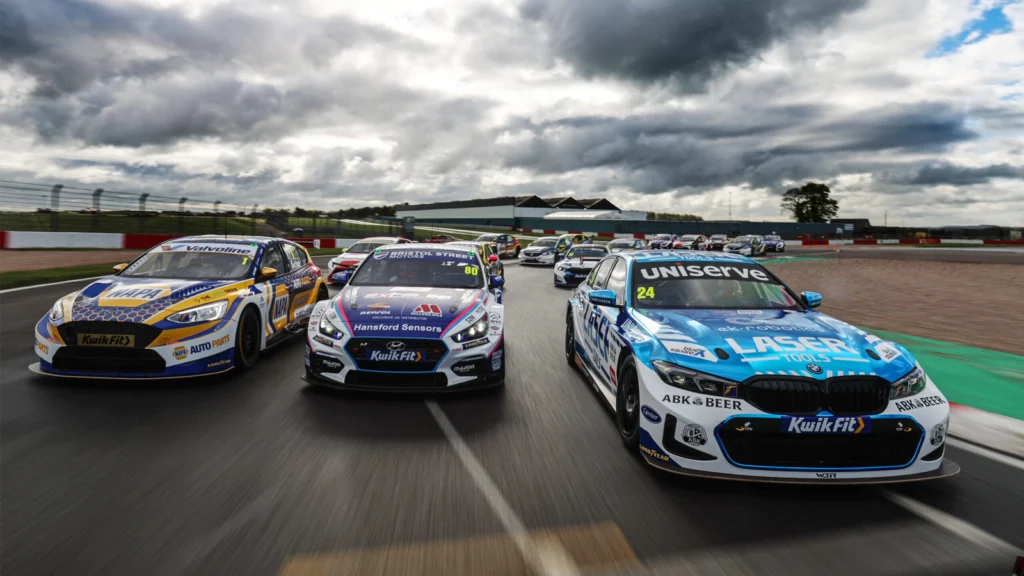
The FIA takes hydrogen as a fuel alternative seriously; however, its appearance trackside for Touring Cars won’t be happening any time soon. Murrey noted, “For touring cars, we don’t necessarily have to go that direction. I think it’s still very early for us, and I don’t see anything before 2030. I think that we will monitor the situation, but I don’t see anything realistically for touring cars happening there.” Citing the need to keep touring cars “costs manageable and to encourage the maximum amount of participation”.
The road to net-zero
If 2030 were to be the year hydrogen makes its grand entrance, it would align with the deadline the FIA has set for itself to reach net-zero. To achieve this, the FIA has resolved to halve its greenhouse gas emissions and remove any residual emissions. Hydrogen as a green fuel has the potential to be a key player on the FIA’s road to true net zero.