Hydrogen at Le Mans – is it the future?
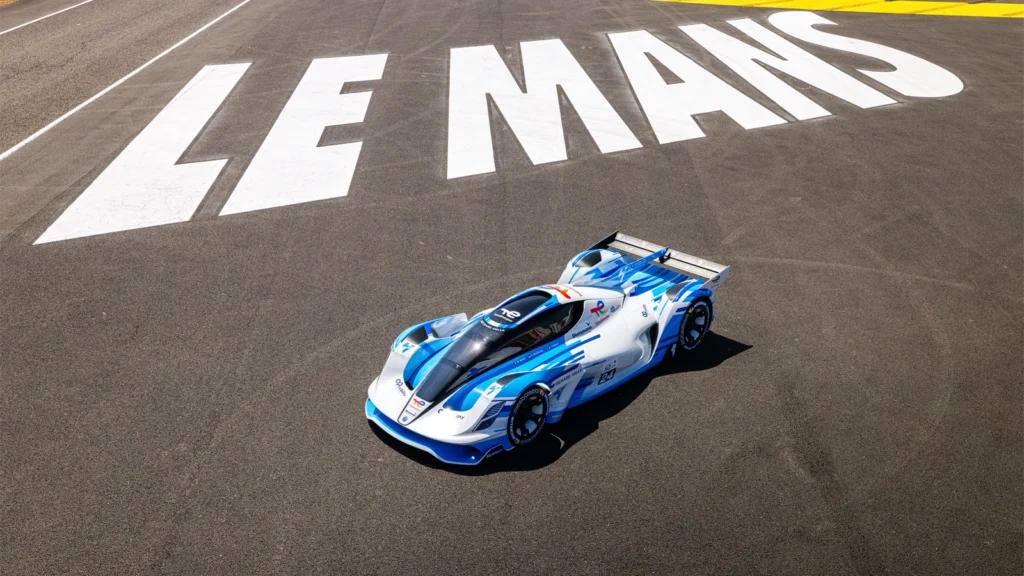
The Hydrogen Class at Le Mans has undergone significant delays after initially informing the public that this groundbreaking development in both hydrogen and endurance racing would be allowed by 2024.
One now has to squint towards the distant horizon of 2028 to find a realistic possibility of hydrogen making its Le Mans debut.
Le Mans has previously been a test bed for new technology. Remember the odd-looking Hybrid Nissan ZEOD RC in 2014, which became the first car to complete a fully electric lap at the 8.5-mile circuit? Its near-silent movement and distinctive profile made more than one traditionalist motorsport fan metaphorically clutch their pearls.
While it received the award for most innovative engine, it was unable to finish the race due to a gearbox failure. At this early stage of electrical automotive technology, the car lacked the endurance for endurance racing.
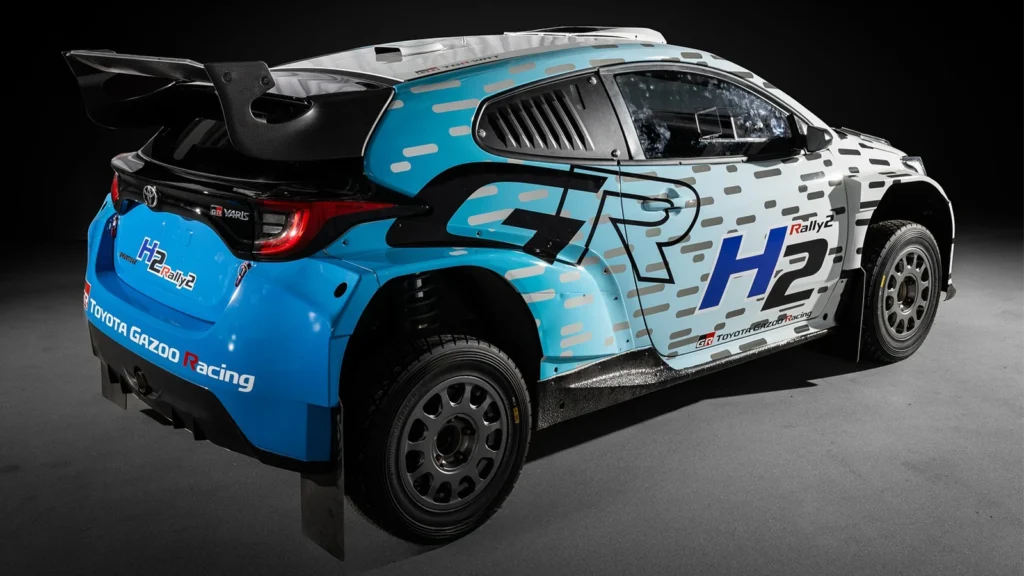
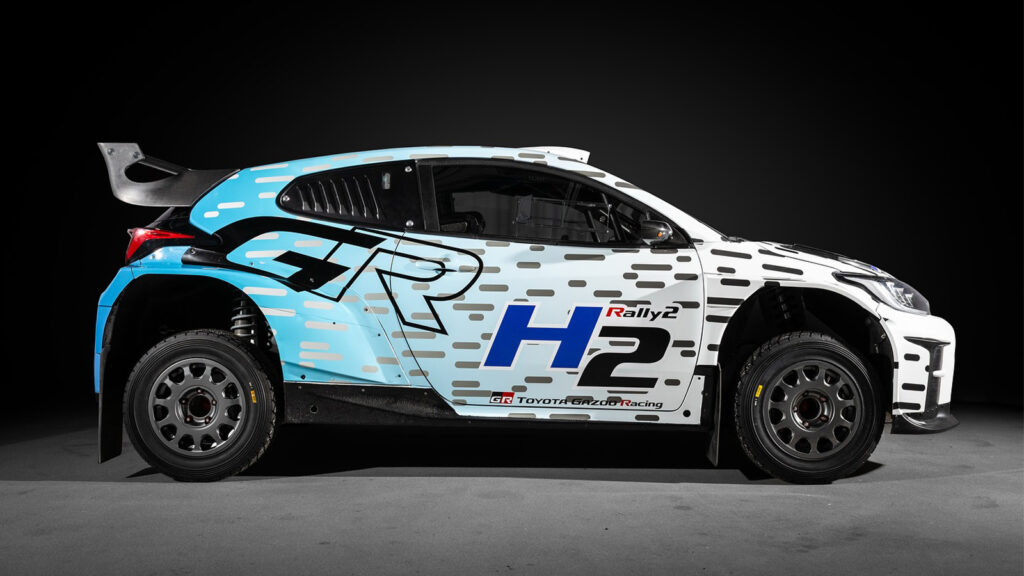
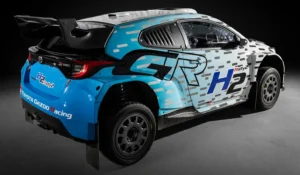
Now, hydrogen is in the spotlight and Mission H24 is the project with a firm goal of establishing hydrogen as a race category at Le Mans, and it has some massive names within the industry powering it onwards: Toyota Gazoo Racing, Symbio, and McLaren Applied, to mention just a few.
These familiar faces bring their motorsport expertise to the project, helping hydrogen at Le Mans evolve from a possibility to an actuality.
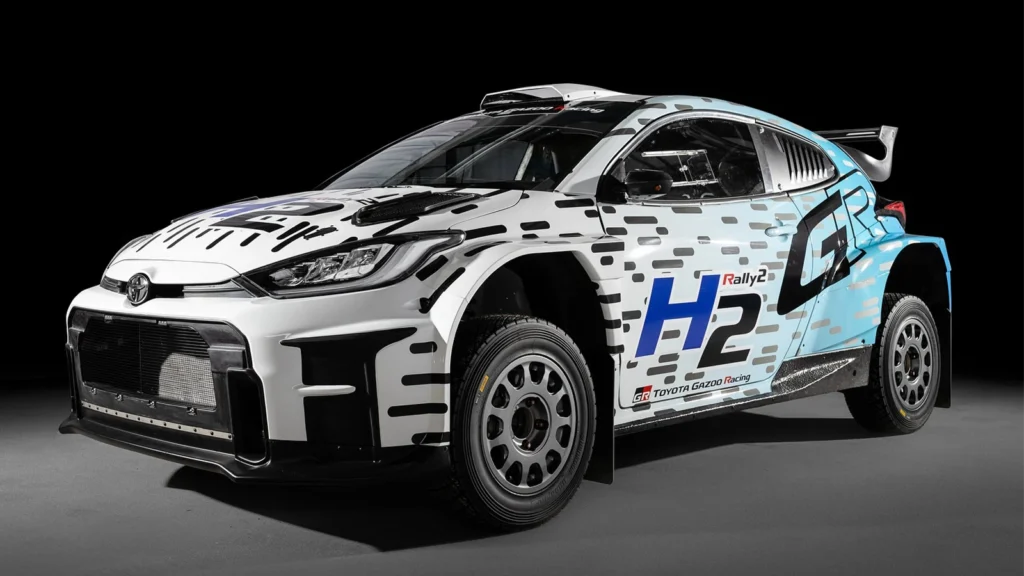

Hydrogen at Le Mans
Le Mans is not only the goal, but over the years, has also acted as a showcase for the progress Mission H24 has been making:
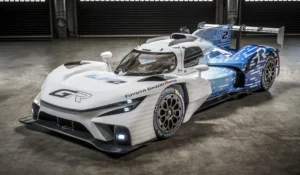
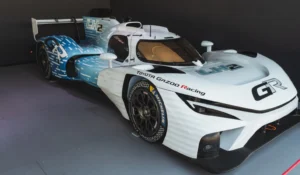
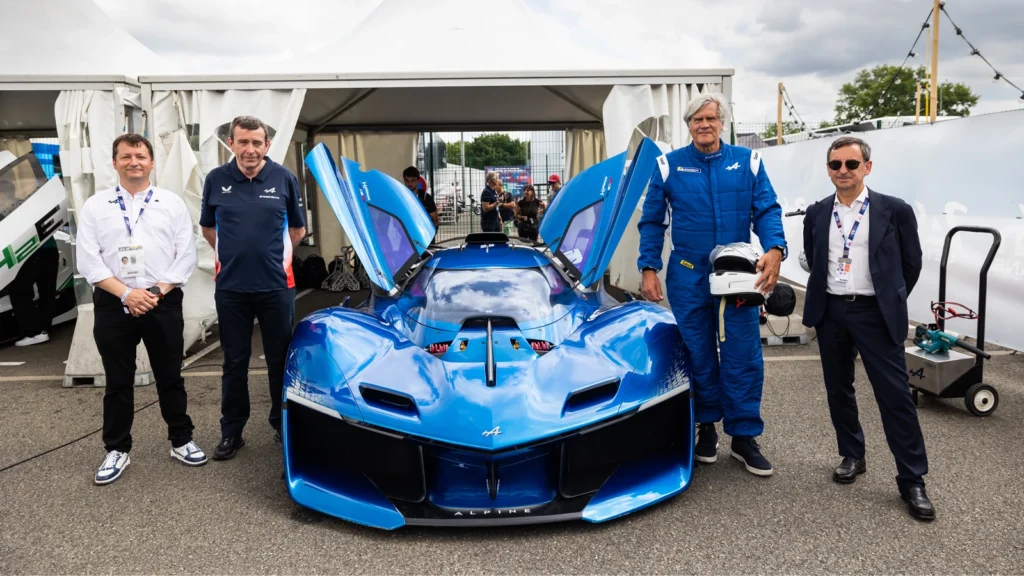
In 2023, the MissionH24 prototype LMPH2G was revealed exclusively at Le Mans as a display feature only.
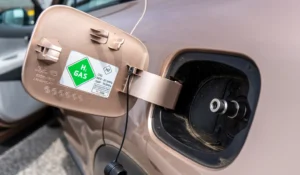
In 2024, the H2 prototypes at Le Mans were publicly refuelled for the first time (still utilising hydrogen gas as fuel).
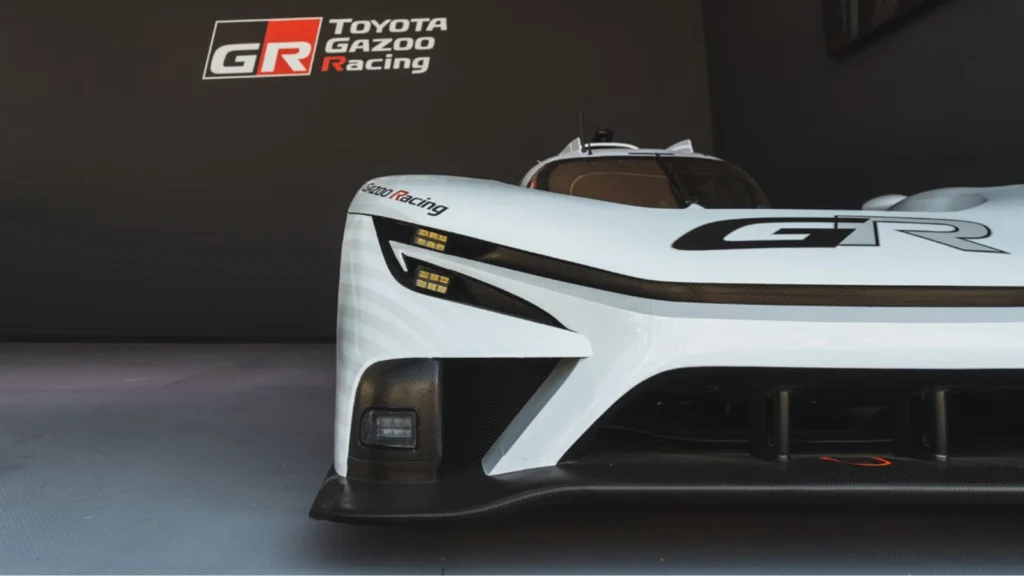
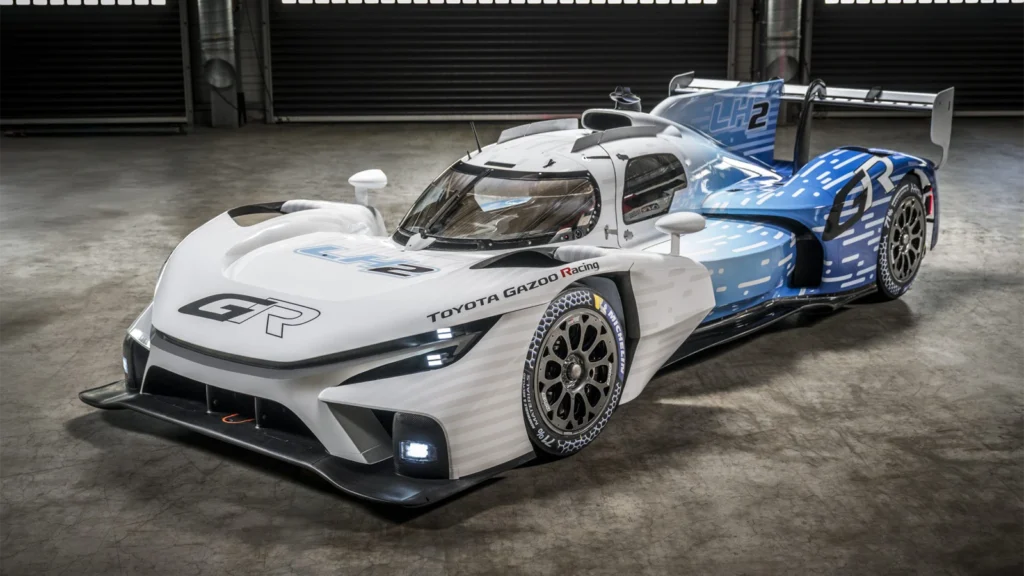
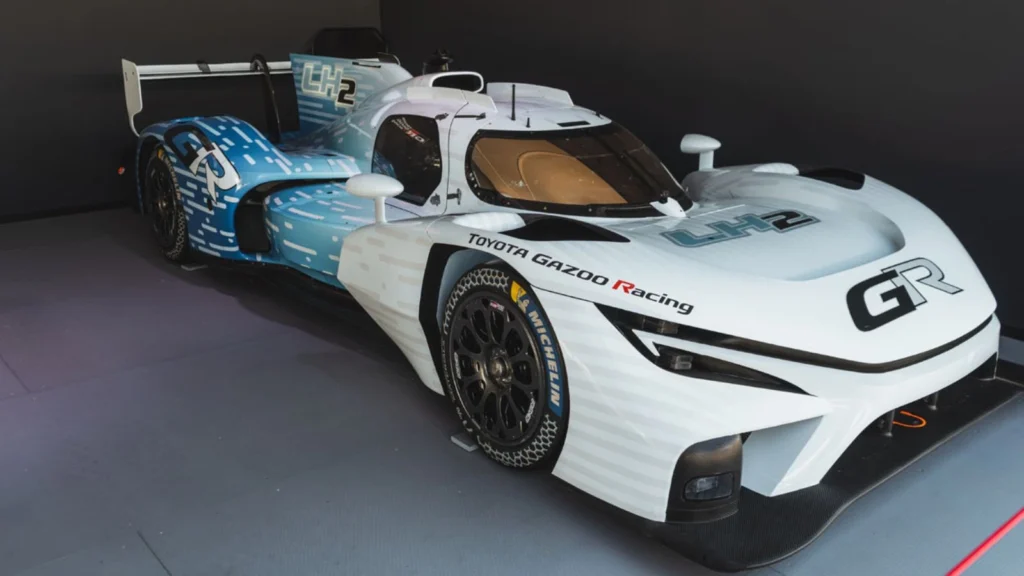
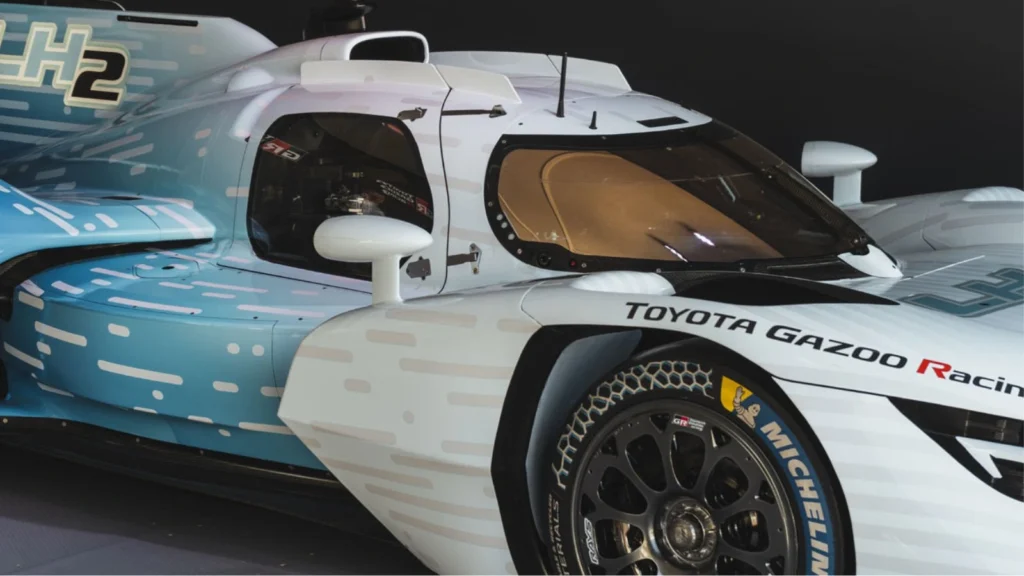
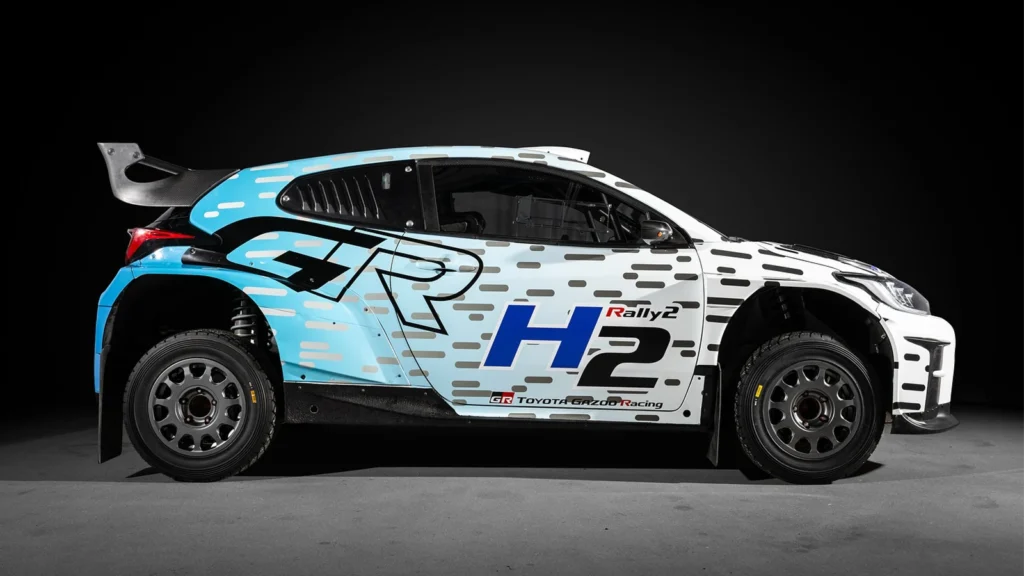
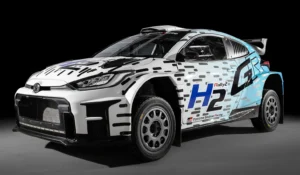
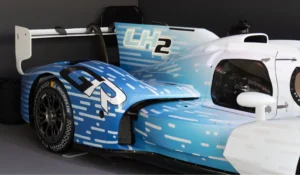
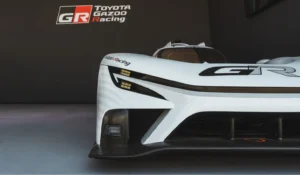
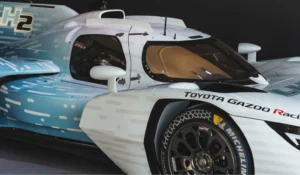
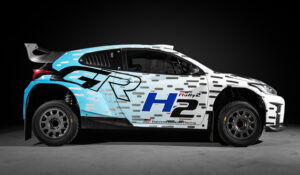
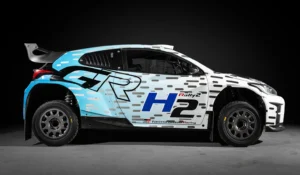
In 2025, in the AcoH2 village, the major partnership between Toyota Gazoo racing and MissionH24 was celebrated via the unveiling of their brainchild, the GR LH2 Racing Concept, the programme’s first liquid hydrogen-powered car.
Opening up liquid hydrogen options
The shift to liquid hydrogen is an important one, and not only because it is also the fuel commonly used to power rockets.
Crucially, on the 10th of June 2025, the FIA approved the first set of technical regulations relating to liquid hydrogen vehicles, and gave them pride of place in Appendix J, Article 253 of the FIA’s International Sporting Code.
These specifics will hopefully hasten the progress of the entire endeavour as constructors now have at least a partial framework in which to design their hydrogen creations.
“The present regulation is applicable to hydrogen-fuelled vehicles equipped with fuel cell(s) or internal combustion engine(s)” – this statement means the design of the 2028 Le Mans Car is not limited to just one technical pathway, with the framework opening the door for fuel cell and internal combustion hydrogen engines.
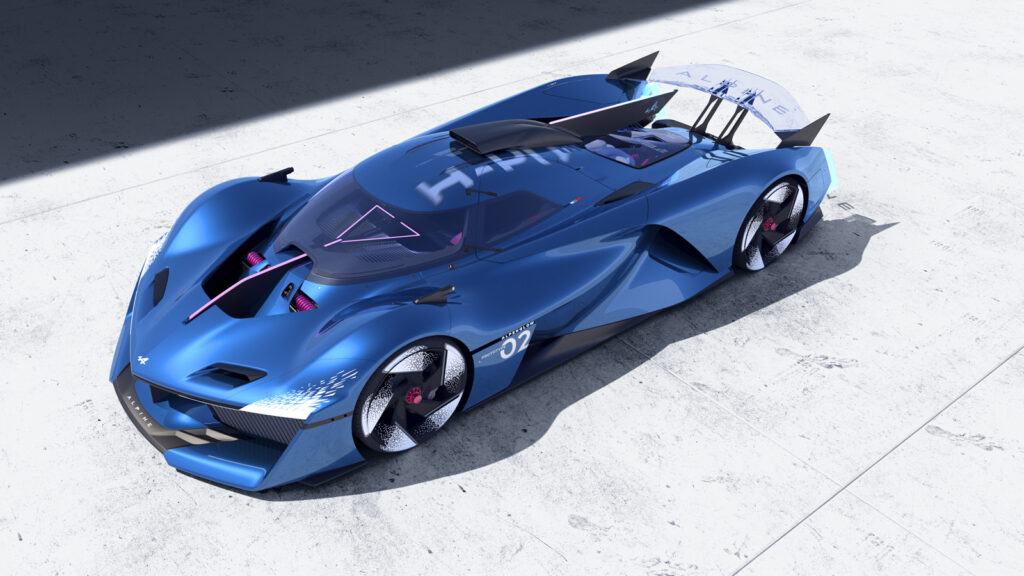
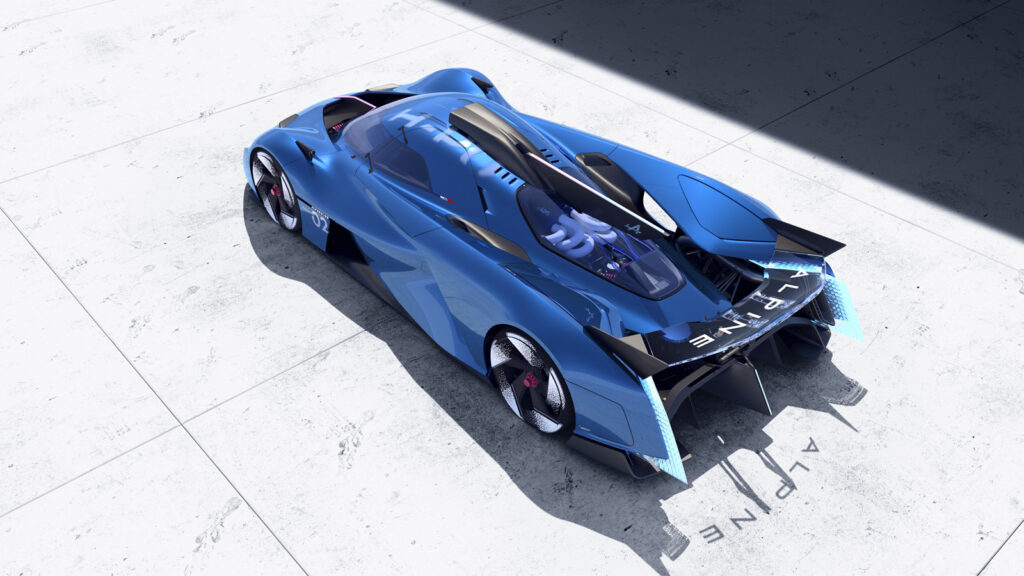
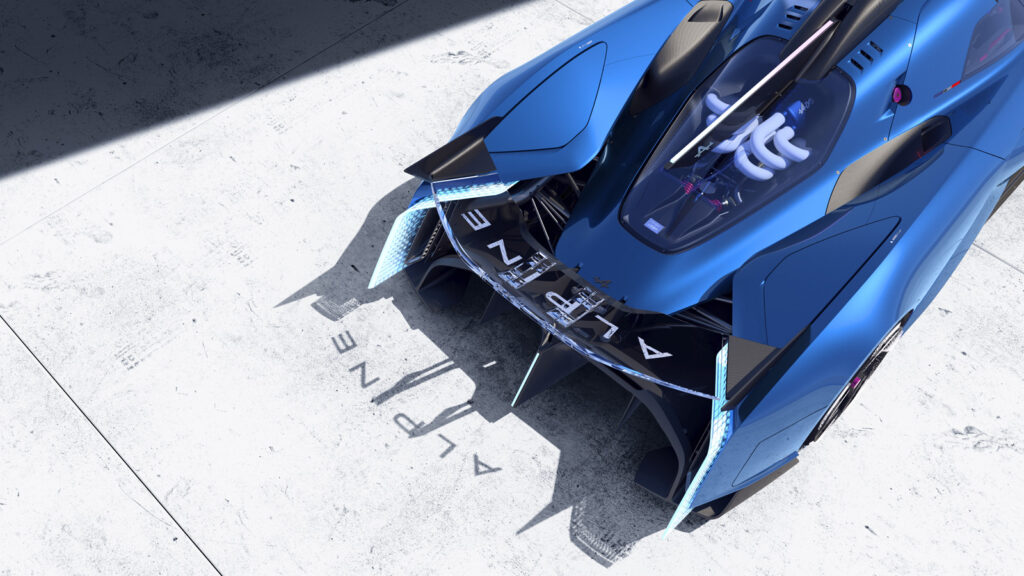
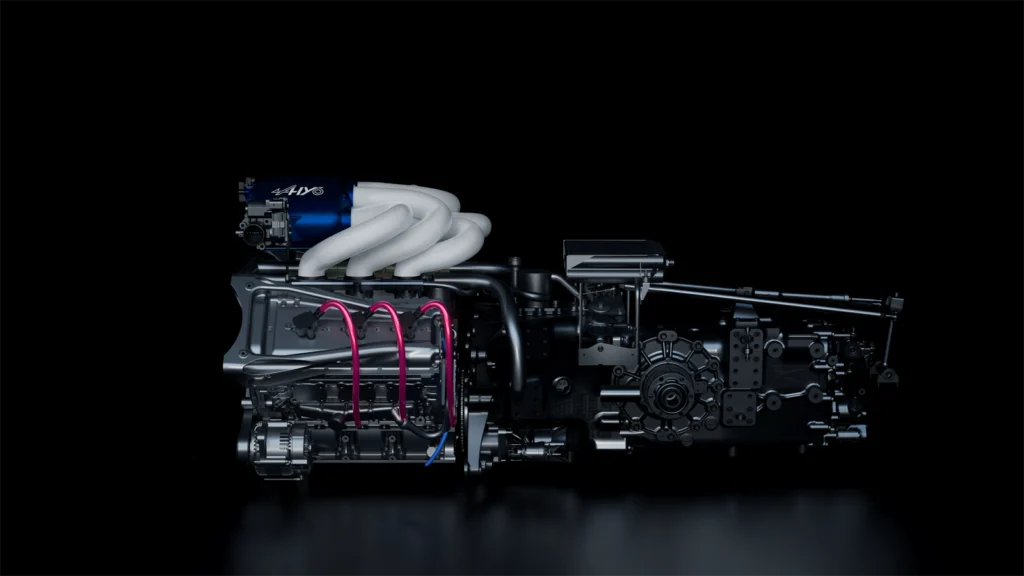
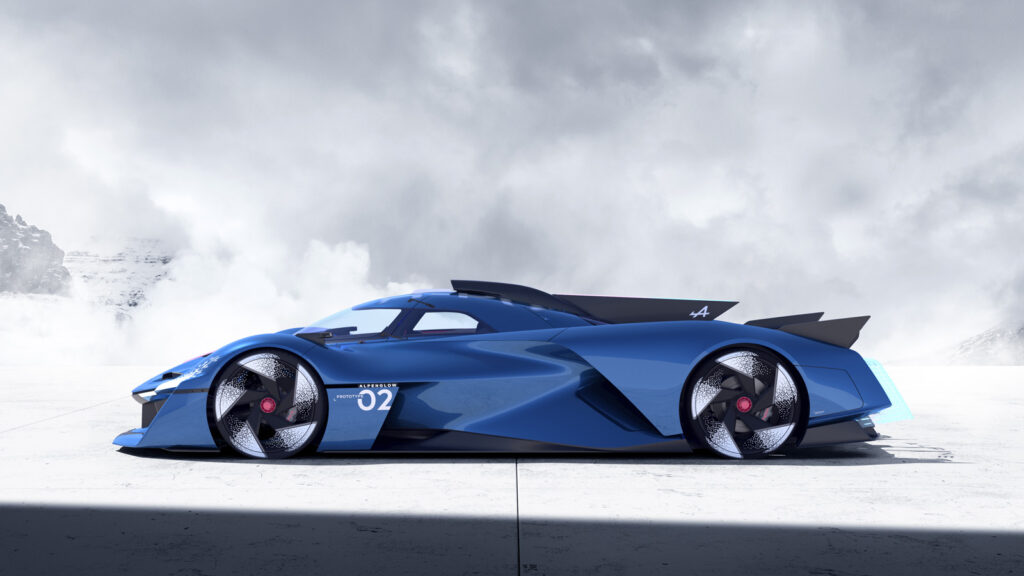
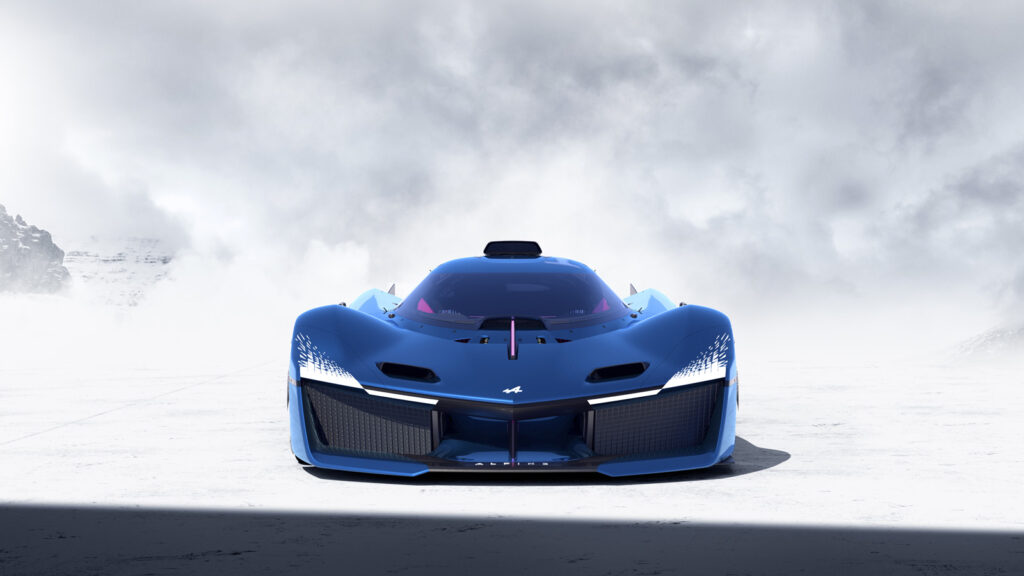
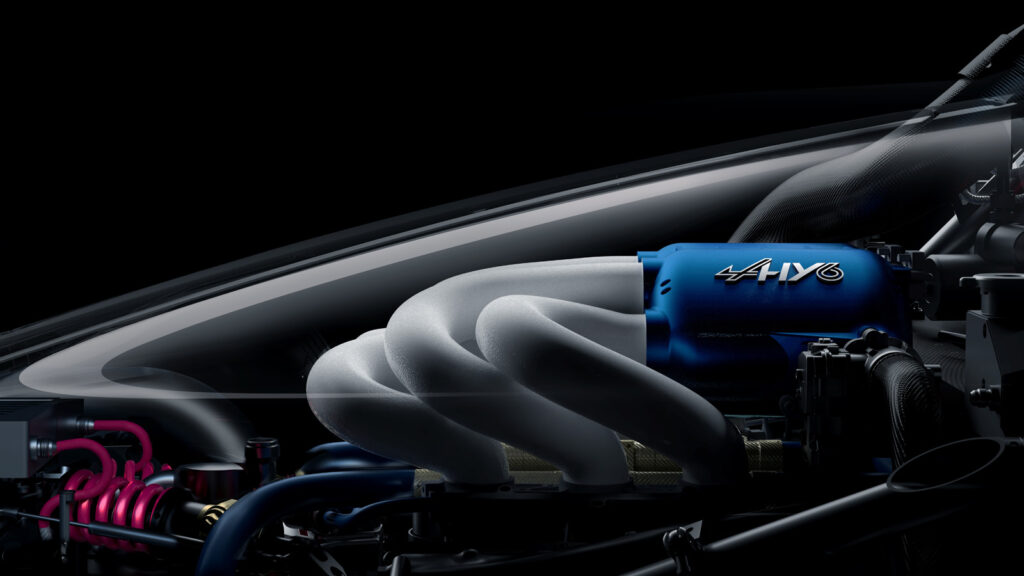
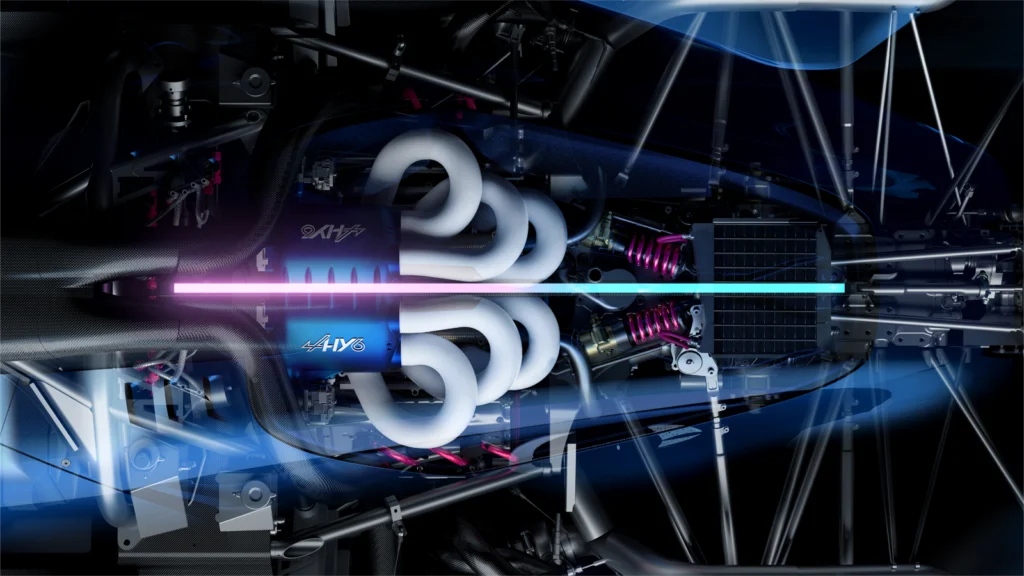
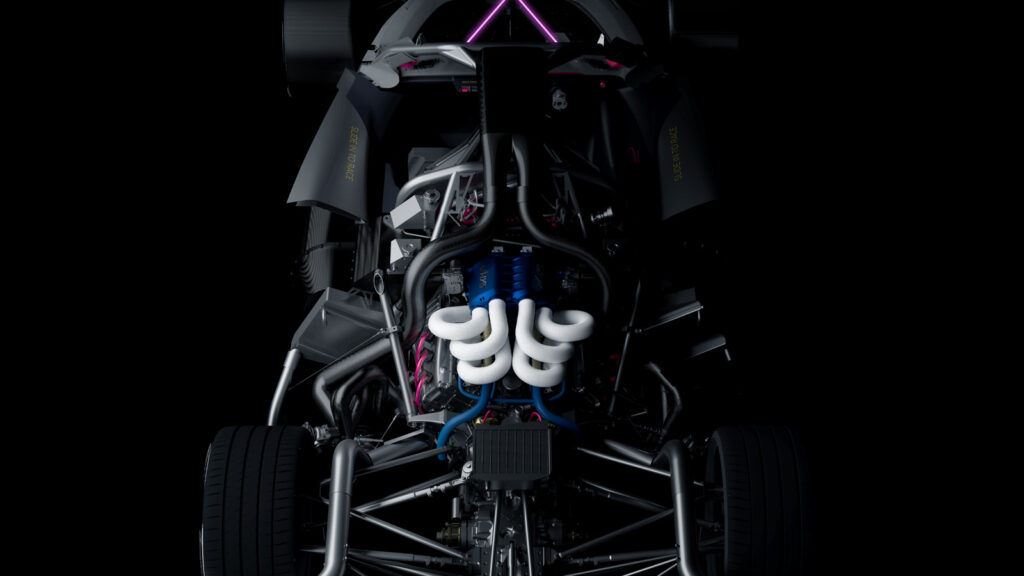
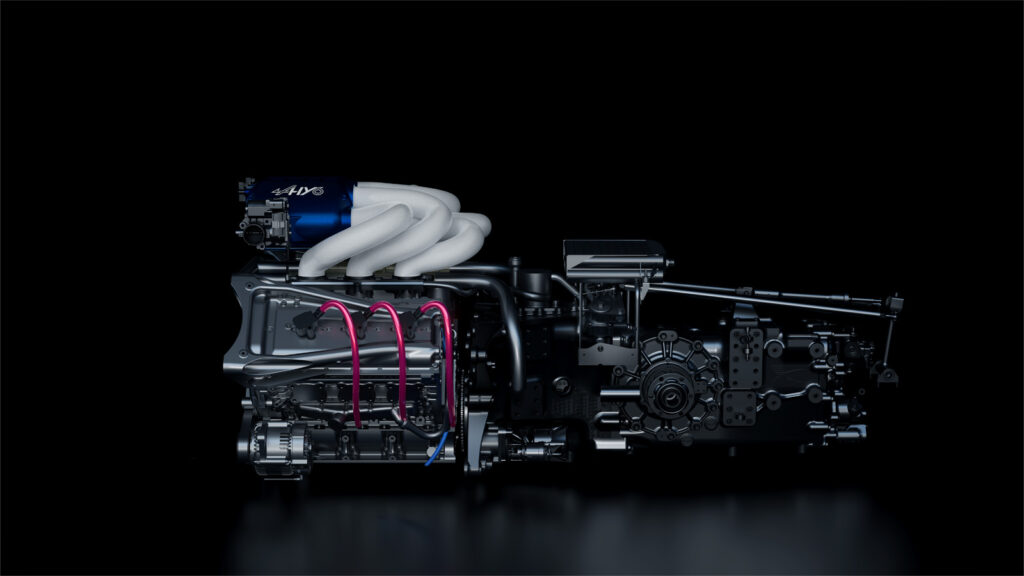
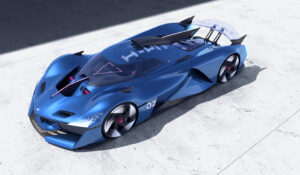
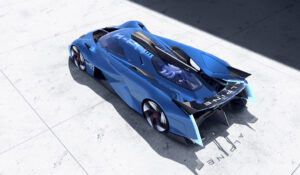


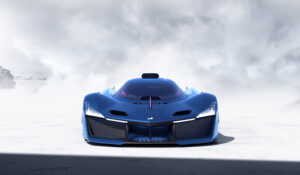
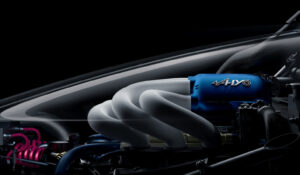
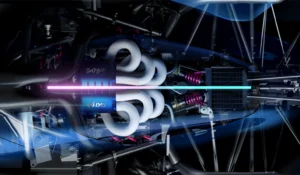
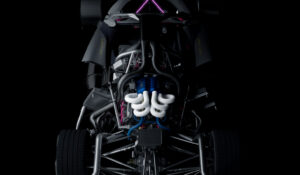
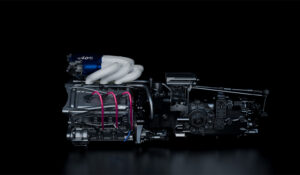
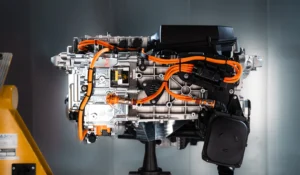
MissionH24 has historically explored both combustion and fuel cell technology in their prototypes; however, the more recent test car features an internal combustion engine.
Combustion is arguably the more effective method of enticing the interest of petrol-heads, and possibly even transforming them into hydrogen-heads! (we are still workshopping the name, don’t worry).
This is because hydrogen combustion is capable of producing the animalistic roar of an engine, which heightens the adrenaline of onlookers, without accompanying carbon emissions.
2025 was intended to be a landmark year in Mission H24’s progression towards Le Mans as its maiden run was originally set to occur in the first quarter of 2025; a milestone which was not met.
So, to answer the title directly, yes, a hydrogen category at Le Mans is the future. But due to a development riddled with setbacks, it is possibly a more distant future than motorsport fans might have hoped for.