Hydrogen-electric aircraft project in EU awarded €21.4m grant

Hydrogen-electric aircraft developers ZeroAvia received a €21.4m grant from the EU’s Innovation Fund to support the introduction of zero-emission aircraft to the European Economic Area (EEA).
The project will retrofit 15 Cessna Caravan aircraft with ZeroAvia’s ZA600 hydrogen-electric engines. It will also establish supporting hydrogen fuel technologies at airports in Norway.
“This project will set a phenomenal example by introducing a scaled network of hydrogen-electric aircraft operations, efficiently delivering vital goods to people and businesses across Norway without the typical associated environmental damage.” says ZeroAvia founder Val Miftakhov.
What is the project?
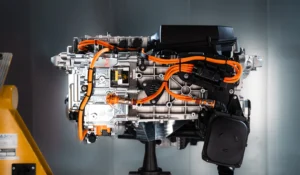
ZeroAvia’s ZA600 powertrain uses fuel cells to generate electricity from hydrogen fuel, meaning its only emission is water vapour. The zero-emission aircraft supported by these powertrains are expected to see more than 95% reduction in greenhouse gas emissions.
After previously testing a prototype of the system, ZeroAvia is now ground-testing its final design for certification. They are also working with the UK Civil Aviation Authority and US Federal Aviation Administration on certification programmes related to the engine. Once approved, the aircraft will replace conventional kerosene-fueled turboprops on cargo routes.
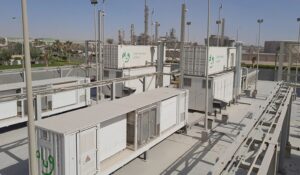
The project will also deliver hydrogen refuelling and storage infrastructure at 15 airports in Norway, which will make it the world’s largest network of zero-emission commercial flights.

What is ZeroAvia?
ZeroAvia is a hydrogen-electric aircraft company “leading the transition to a clean future of flight,” according to its website. It develops fuel cell-powered engines for existing commercial aircraft. The company also supplies hydrogen and electric propulsion components for electric air transport, including eVTOLs, rotorcraft, and unmanned aerial vehicles. This can include novel eVTOL designs, rotorcraft and Unmanned Aerial Vehicles (UAVs).
The company is currently working on a large powertrain for 40–80-seat aircraft. This follows their first submission for a smaller engine for certification last year.
What is the Innovation Fund?
The Innovation Fund is one of the world’s largest funding programmes for low-carbon technologies, and the EU’s fund for climate policy. It is financed by the EU Emissions Trading System revenues. It has awarded more than 200 projects across EEA countries with over €12 billion.
The Fund has previously supported a €500 million green hydrogen plant in Rotterdam, as well as Statkraft’s hydrogen production site in Germany. Hydrogen projects made up a third of total awards in 2024, according to Hydrogen Europe.
ZeroAvia’s project was found to meet the EU’s “Strategic Technologies for Europe Platform (STEP)”, a separate EU initiative from the Innovation Fund. The STEP Seal is a quality label from the European Commission. While unrelated directly to the Innovation Fund, the STEP Seal will help ZeroAvia to attract other funding.
What’s next?
ZeroAvia plans to commence operations in 2028, and operations for the airport infrastructure network will be announced “in due course”, according to their website.
The project marks a major milestone in the commercialisation of hydrogen aviation, accelerating Europe’s shift toward zero-emission flight.