BMW CEO backs hydrogen as Europe’s strategic opportunity – but says all tech must stay on the table
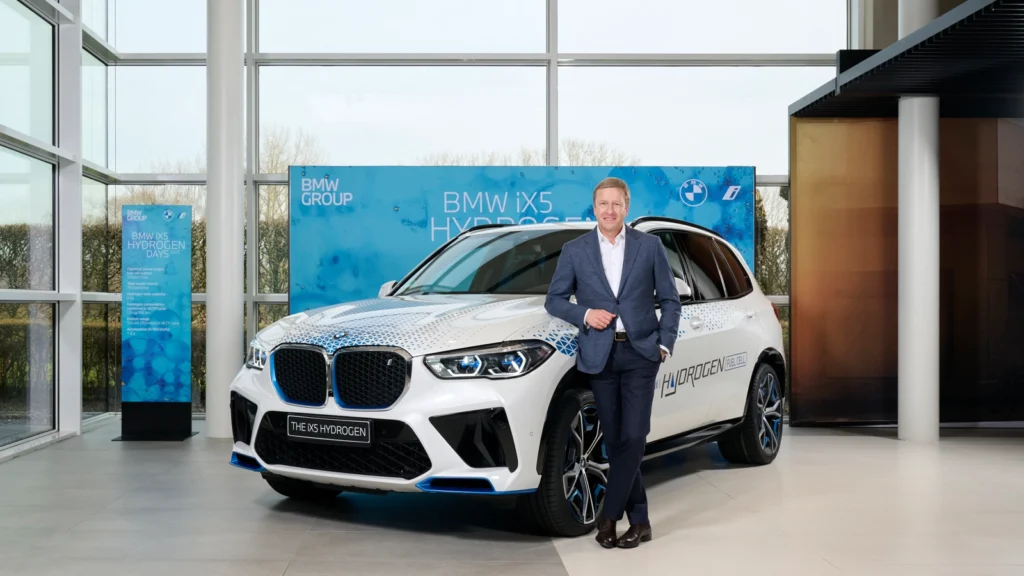
BMW Group CEO Oliver Zipse has doubled down on the firm’s long-standing multi-tech strategy, telling investors that “there is no single answer” to decarbonising the car.
Speaking during the company’s half-year results call, he argued that hydrogen could offer Europe a vital industrial advantage in the transition to net zero – and warned that dependence on a single drivetrain technology could ultimately damage the industry.
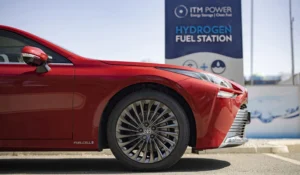
“Hydrogen, for example, offers Europe an opportunity to use our expertise and take the lead on an emerging technology that will contribute to our climate goals,” Zipse said. “And, unlike BEVs, without the need for large amounts of raw materials or battery technology which are not localisable at large scale in Europe.”
It’s not a new message from BMW, but it comes at a time of growing tension in European industrial and transport policy, with critics warning that heavy-handed regulation risks forcing the continent into a battery-only corner while China tightens its grip on key minerals and cell production.
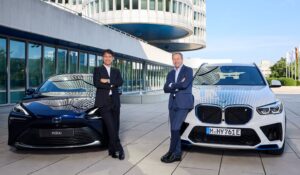
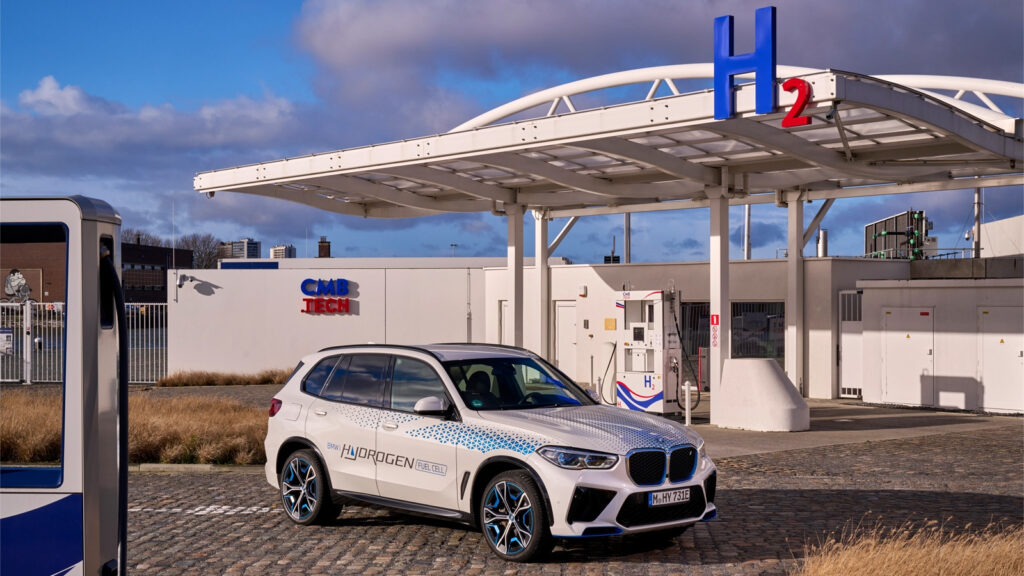
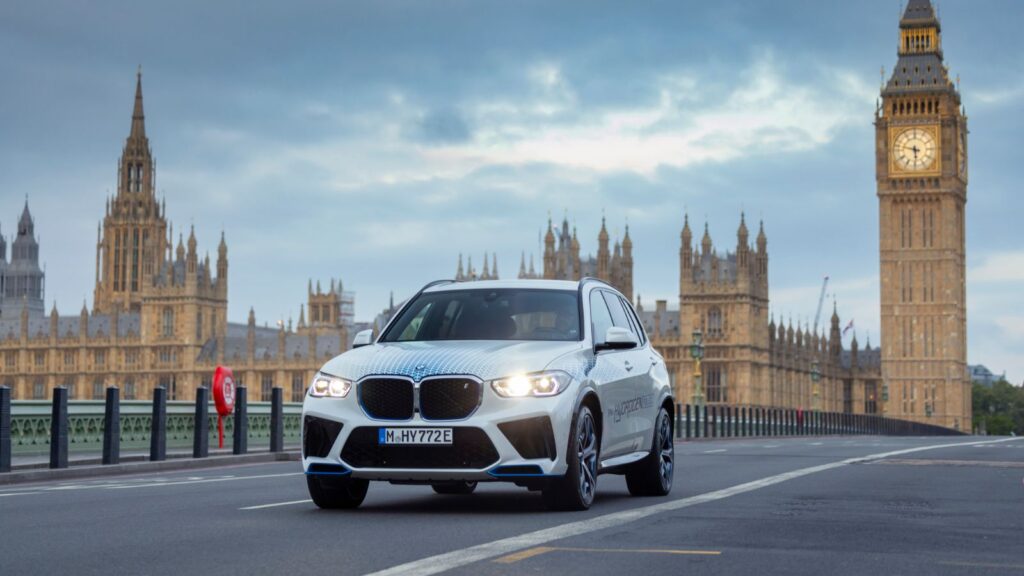
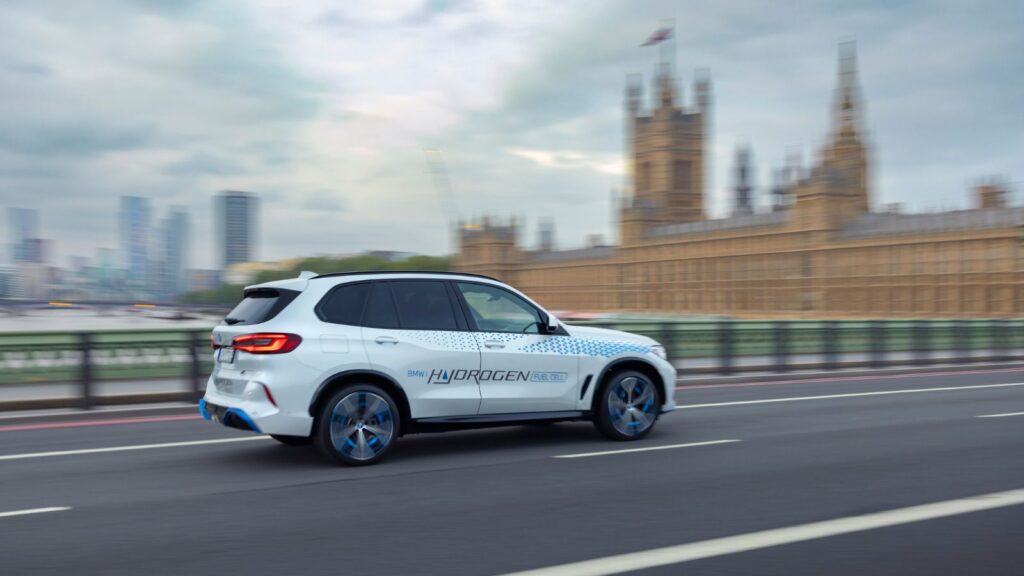
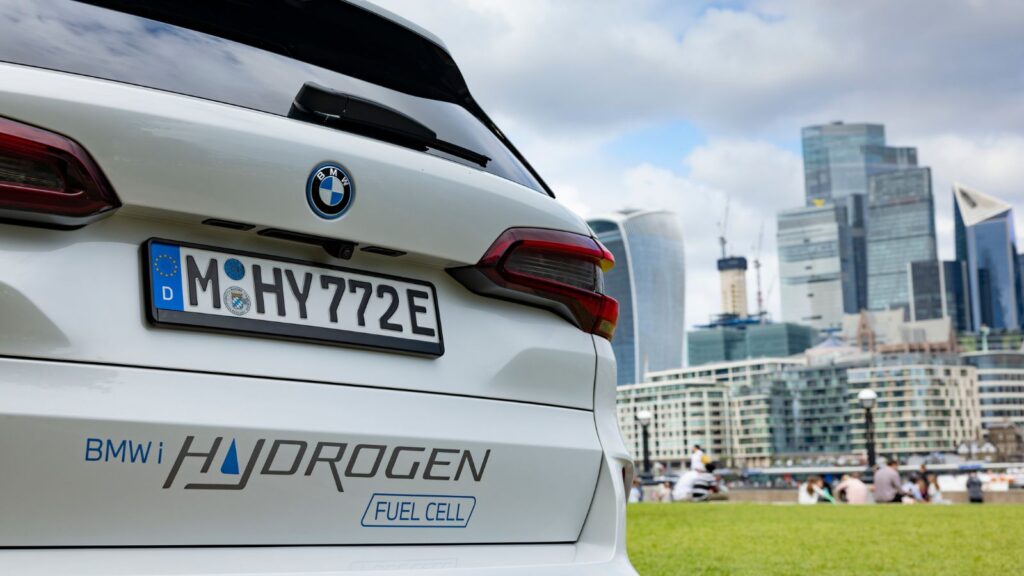
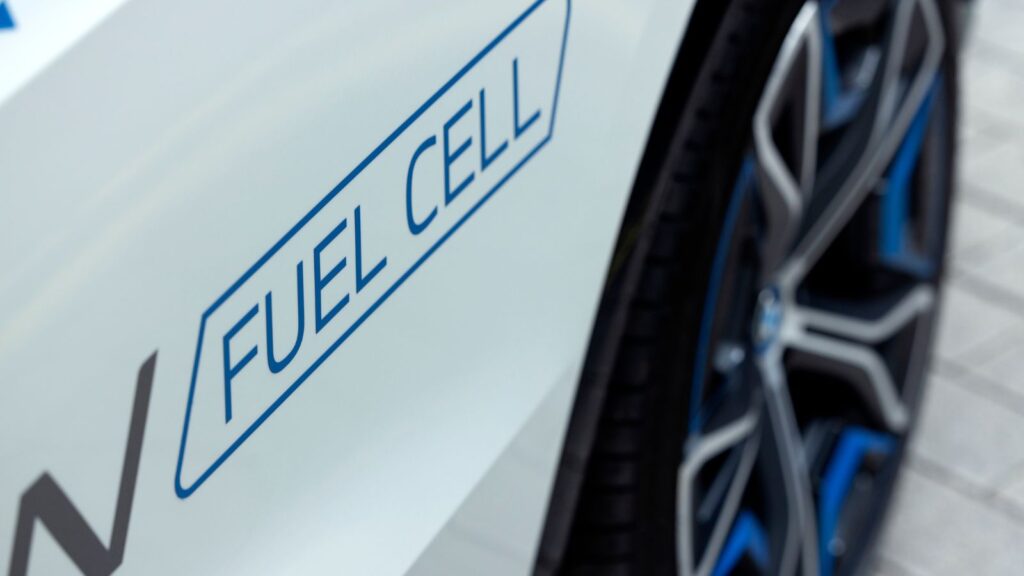
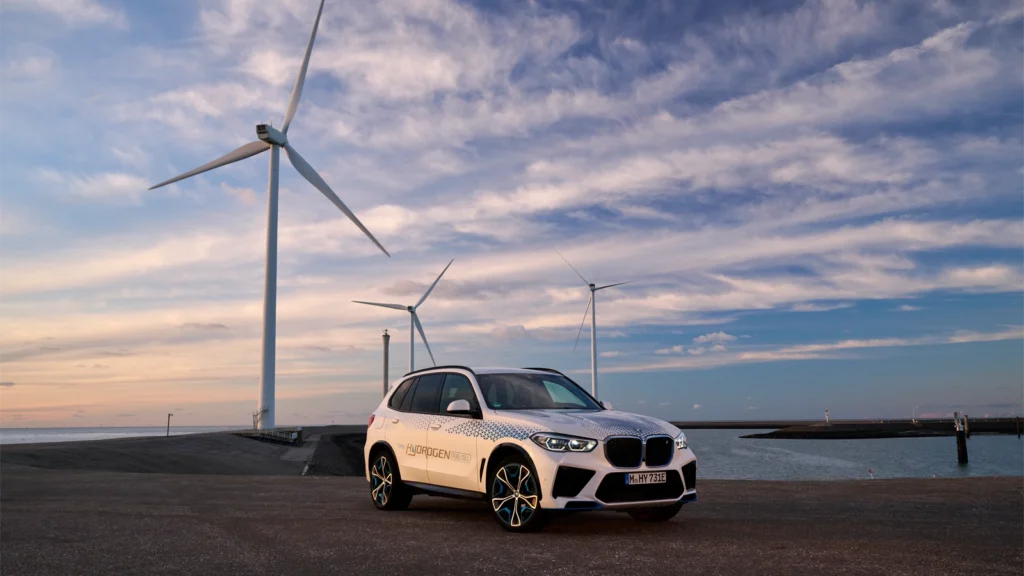
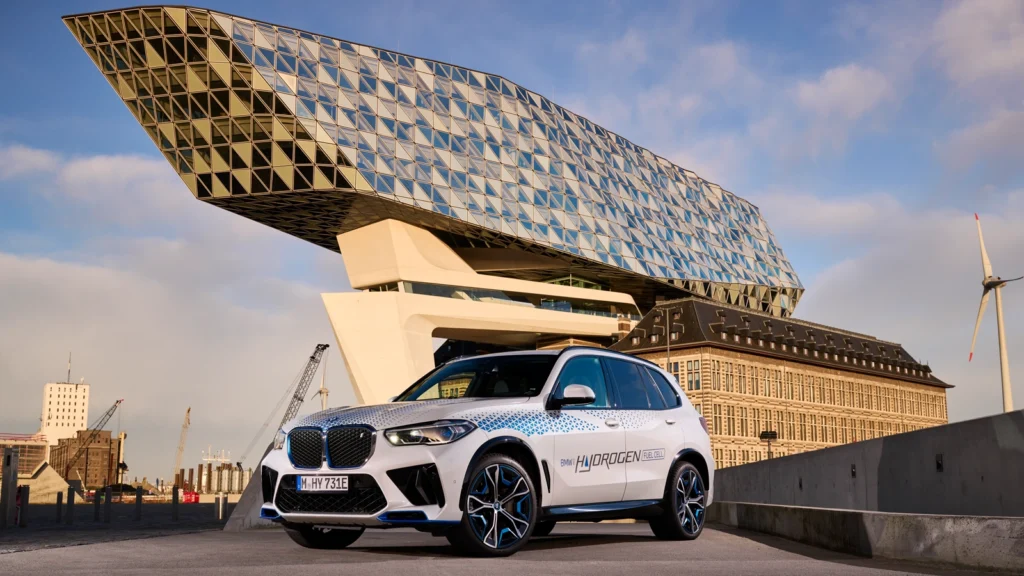
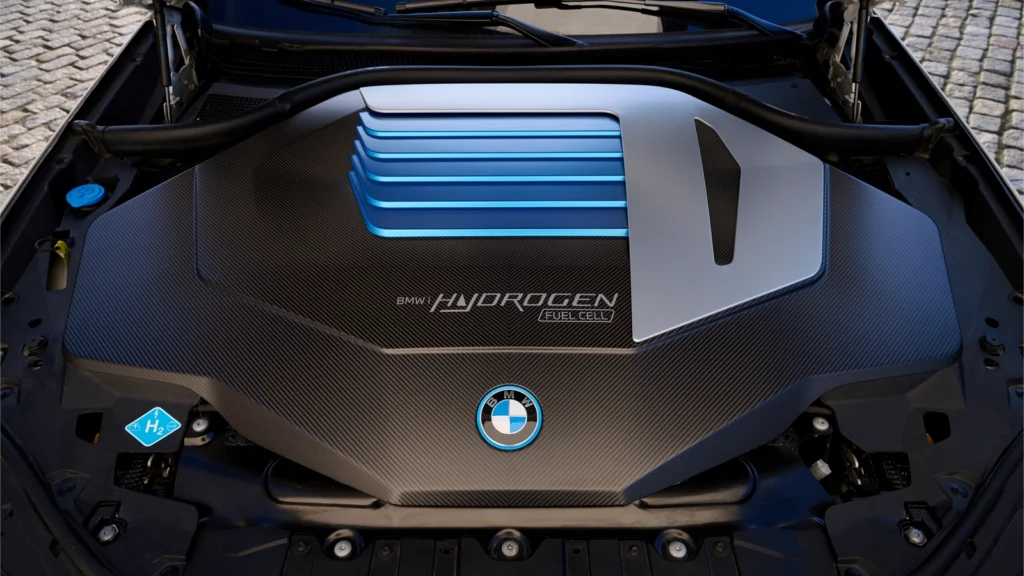
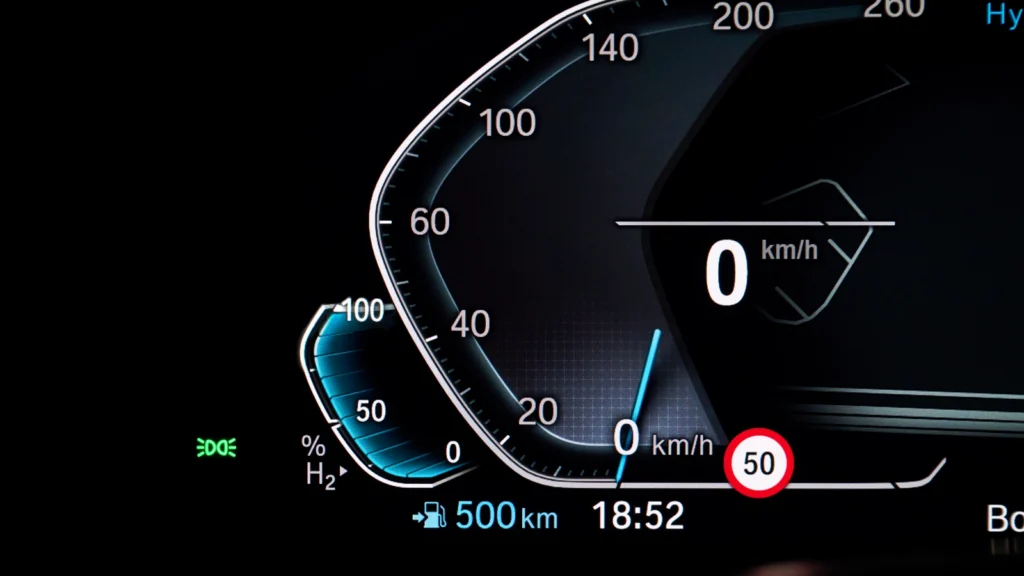
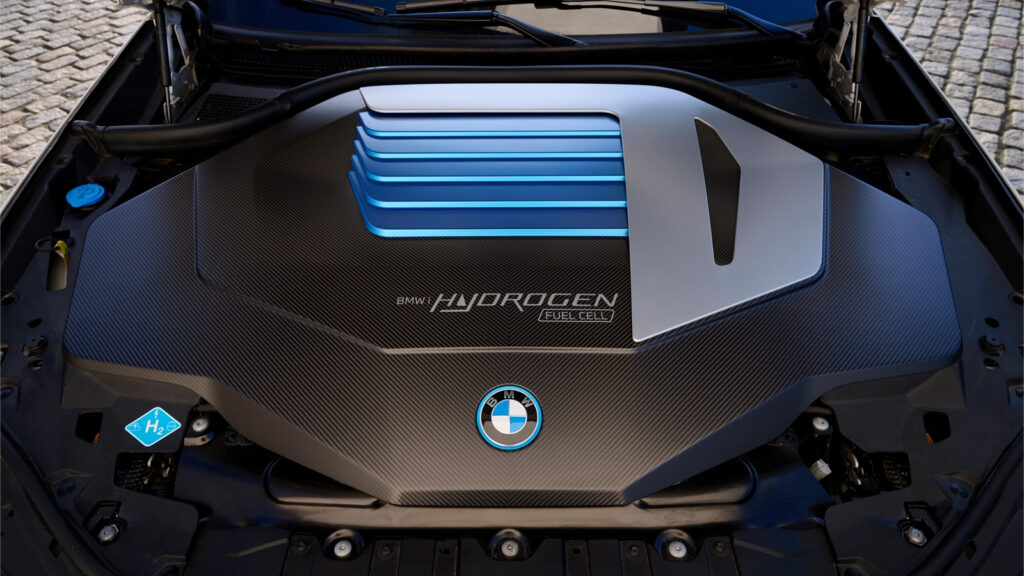
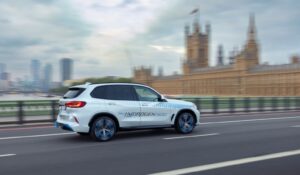
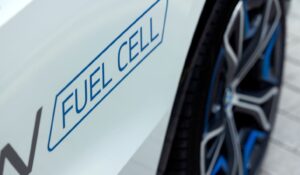
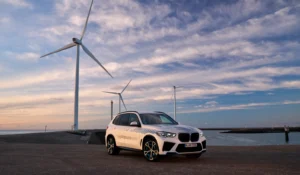
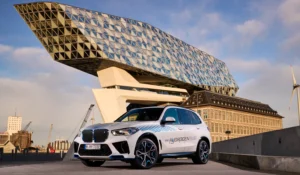
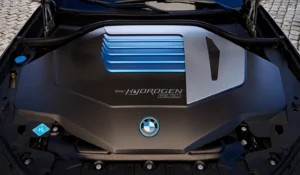
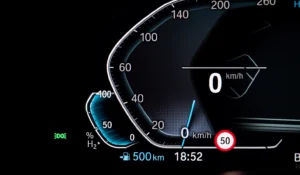
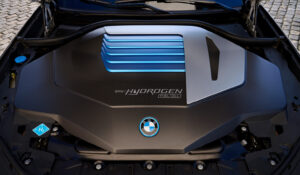
BMW remains one of the few major automakers still actively developing hydrogen fuel cell vehicles for passenger use.
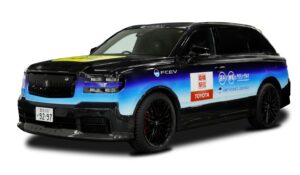
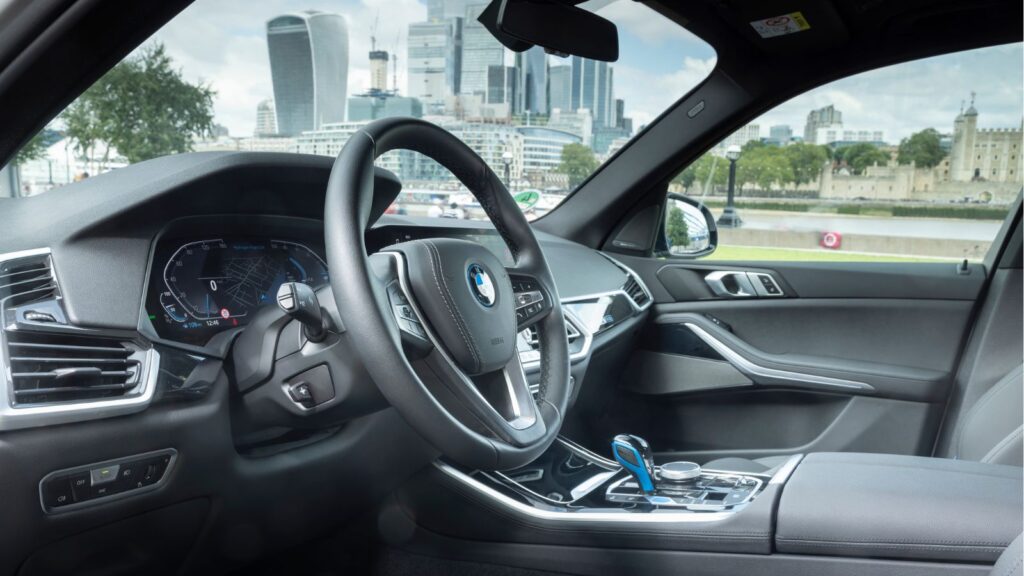
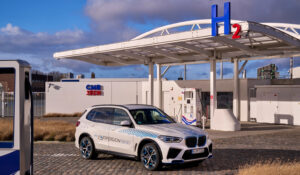
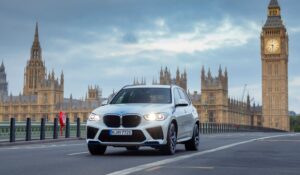
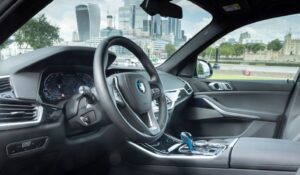
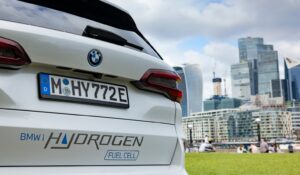
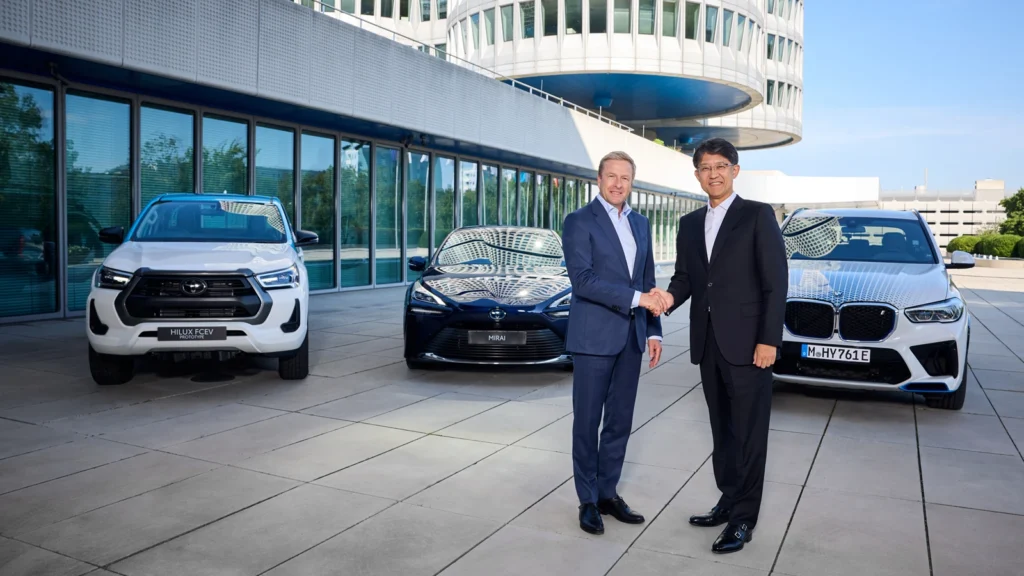
Its iX5 Hydrogen demonstrator fleet is currently running in global pilot trials ahead of a planned production model later this decade, developed jointly with Toyota.
Zipse made no mention of a firm launch date, but BMW has previously confirmed a hydrogen SUV will arrive before the end of the decade, sometime in 2028, using NEUE KLASSE architecture and sixth-gen fuel cell tech.
A hedge, and a warning
Zipse’s support for hydrogen is part of a broader call for policy realism. He welcomed moves to reduce tariffs between the EU and US but used the occasion to press for more technology-neutral regulation – including a rethink of Europe’s post-2030 tailpipe rules.
“The most effective strategic approach is to use all technologies to reduce CO₂ emissions overall,” he said. “To achieve these goals and create effective CO₂ regulations, we must take a comprehensive view across the entire value chain… not just tailpipe emissions.”
He cited hydrogen and renewable drop-in fuels like HVO100 as viable pathways that could deliver climate benefits today, especially across Europe’s existing vehicle fleet.
But he stressed that clear regulatory frameworks are needed to make alternative fuels a serious part of the decarbonisation mix – not just compliance footnotes.
The risk, he implied, is that policymakers prioritising single solutions – namely battery-electric – could lock the continent into fragile supply chains while neglecting other routes that better align with Europe’s strengths.
Hydrogen and NEUE KLASSE
Zipse’s remarks also come just weeks before the launch of BMW’s long-awaited NEUE KLASSE platform, which will debut in the new all-electric iX3 at IAA Mobility in Munich this September.
While NEUE KLASSE is being framed as a next-generation electric architecture, Zipse was careful to stress that its underlying technology clusters are adaptable across drivetrains.
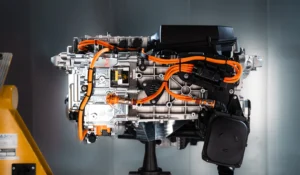
The modular system includes sixth-generation eDrive units, upgraded energy management, and a new software-defined architecture – all of which, in theory, can be integrated with a fuel cell system. BMW’s 2028 hydrogen SUV is expected to sit on a variant of this platform.
That strategic flexibility is key to BMW’s longer-term planning, with Zipse confirming the company will roll out 40 new models or updates using NEUE KLASSE technology by 2027, and explicitly positioned the architecture as a base for region-specific features – including those needed for ADAS and user experience.
The implication is clear that BMW doesn’t see hydrogen and battery-electric as mutually exclusive. It sees them as compatible components of a broader industrial strategy.