China: Hongqi hydrogen car cuts fuel use by 15%, outperforms lighter rivals
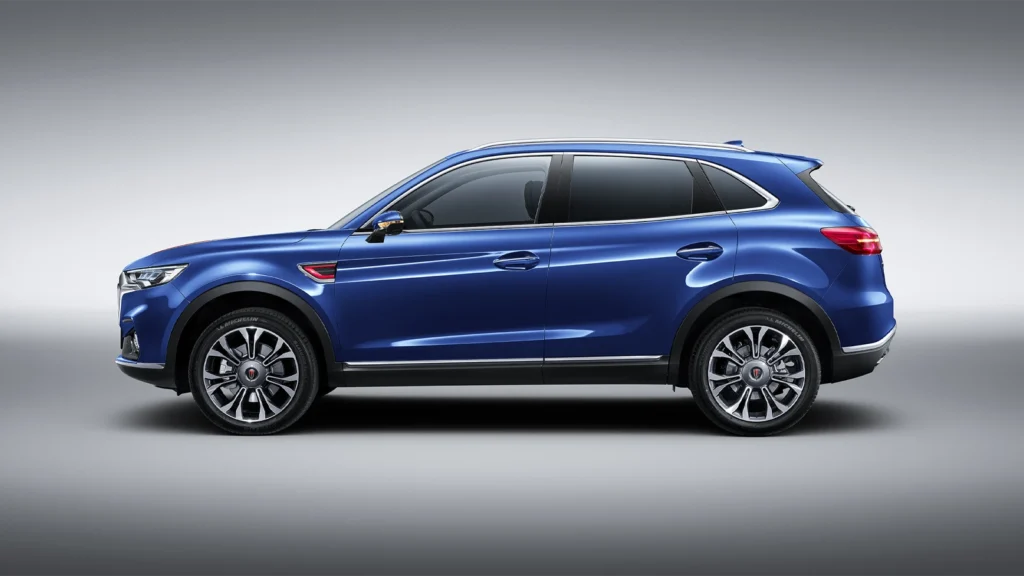
Chinese state owned automaker FAW has confirmed that its latest Hongqi hydrogen fuel cell system has passed key tests for hydrogen consumption and driving range, achieving a 15% reduction in hydrogen use compared to rival vehicles with a lower curb weight.
The company says the result places its system at the “industry-leading level” and signals a major step forward for its hydrogen R&D programme.
The tests – recently completed by China First Automobile Group, Hongqi’s state-owned parent company – were designed to validate system stability, energy management precision, and real-world hydrogen efficiency. All targets were met or exceeded, they say.
The fuel cell system reportedly “maintained excellent performance throughout”, with the company highlighting improvements in both energy consumption and system control accuracy under dynamic driving conditions.
Two core technical advantages
According to FAW, the project showcases two of its core strengths: fast and effective R&D processes, and independent control of key hydrogen technologies.
The firm said its agile development model allowed for a streamlined transition from pre-research to system testing – significantly reducing time to industrial readiness.
More notably, it claimed that the fuel cell hybrid energy management strategy used in the Hongqi system was “100% independently developed,” without relying on foreign IP or joint ventures.
That gives FAW full internal control over the vehicle’s powertrain logic, which governs how energy is balanced between the fuel cell, battery and drivetrain under different loads.
This self-developed hybrid energy management is being positioned as a strategic differentiator, allowing the system to extract more usable energy from the same amount of hydrogen while maintaining driveability and system longevity – a critical factor for passenger car applications.
Momentum for mass production
In a statement released via the State-owned Assets Supervision and Administration Commission (SASAC), FAW said the results confirm that it has “successfully mastered the key core technology of fuel cell hybrid energy management in the field of hydrogen energy.”
The company added that it would now continue efforts to optimise the performance and manufacturing quality of Hongqi hydrogen fuel cell vehicles, aiming to “further consolidate its leading position in this strategic technology field.”
FAW said the innovation would “inject new momentum into the high-quality development of China’s new energy vehicle industry” – part of a wider national effort to push fuel cell technology into the mainstream.
Part of a wider national push
Hydrogen is one of China’s priority sectors for industrial decarbonisation, especially in transport and heavy industry.
Under government guidance, several state-owned enterprises – including FAW, SAIC and CRRC – have been tasked with accelerating development of fuel cell systems and vehicles.
The Hongqi brand, best known for its luxury sedans and limousines used by senior government officials, is now being used as a technology flagbearer for FAW’s future mobility strategy.
The company has previously unveiled hydrogen concept cars, but this is one of the first confirmed technical validations of a system designed for production vehicles.
While China has rapidly scaled up hydrogen use in commercial transport – particularly buses and trucks – passenger car adoption remains limited.
Only a handful of fuel cell models are available to the public, and volumes are minimal compared to battery EVs.
FAW’s test results suggest it may be among the first major Chinese automakers preparing to bring hydrogen fuel cell technology into the passenger car segment at scale – a space that, for now, remains largely undeveloped.