JCB hydrogen telehandler tested on UK’s largest road tunnel project
National Highways has wrapped up its first hydrogen-powered construction trial on the Lower Thames Crossing, and it might just have shown how to take diesel off UK building sites for good.
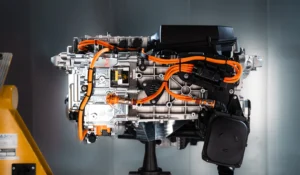
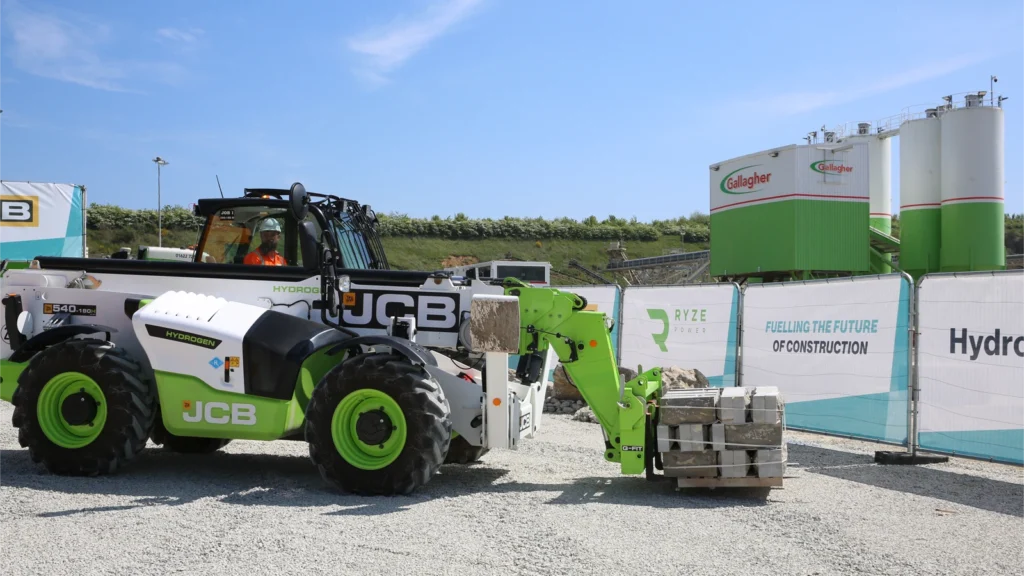
A JCB Loadall (that’s a telehandler to you and me), powered by the company’s in-house hydrogen combustion engine, was put through its paces at Gallagher Group’s Hermitage Quarry in Kent.
The machine ran on low-carbon hydrogen delivered by JCB sister company Ryze Power and handled typical ‘masonry’ work, replacing a diesel equivalent for the day.
Same site, same job, same operator. The only noticeable difference being the fuel in the tank.
No performance loss
The trial was a proper comparative test. The same work was repeated using the standard diesel Loadall, under the same conditions, by the same driver.
According to the deployment report, there was “no adverse impact on productivity or performance.” Good news there, then.
Carbon emissions, though, told a different story. Based on estimated weekly usage, swapping out the diesel machine for the hydrogen one would save around 205kg of CO2 per WEEK – with zero tailpipe emissions.
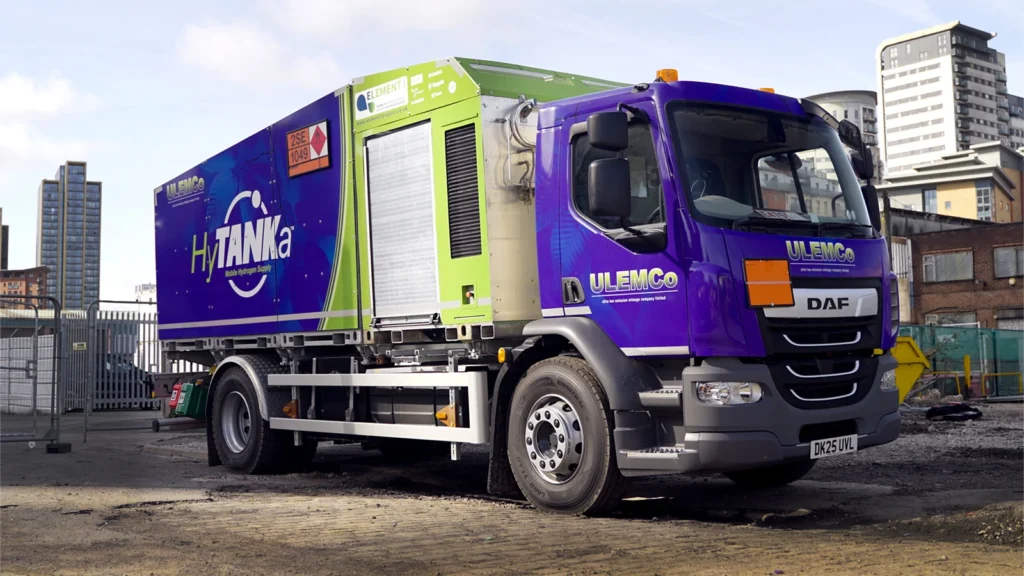
Hydrogen was delivered and dispensed on site using Ryze Power’s HyKit mobile refueller, which stores and dispenses hydrogen at 350 bar without needing on-site compression.
The compact refuelling kit is designed for temporary sites and can be repositioned as needed – ideal for early-phase or remote jobs where fixed infrastructure isn’t practical.
In other words, familiar territory for most construction teams – no different from how diesel bowsers are brought in today. No need for operators to nip out to Shell, BP or Welcome Break for a splash of derv and a pack of L&B’s.
One machine – part of a bigger plan
The Lower Thames Crossing has committed to eliminating diesel across all its construction sites by 2027.
That includes electric kit where it works, but for heavier non-road mobile machinery (NRMM), the team says hydrogen is the answer.
When the main build starts – sometime around 2026 – hydrogen will be rolled out across the whole project.

A contract for hydrogen supply, storage and distribution is due to be awarded later this year.
If it goes ahead as planned, the Crossing will become the largest buyer of hydrogen on any UK transport project to date.
“The Lower Thames Crossing is a pathfinder project”, said Matt Palmer, the project’s Executive Director.
“By using [hydrogen] on such a large scale to power our heavy construction machinery… we can significantly reduce our carbon footprint, accelerate the construction industry’s shift away from diesel, and help kick start the creation of a hydrogen ecosystem in the Thames Estuary.”
A bigger ecosystem in the making
That ecosystem isn’t a pipe dream. The Thames Estuary Growth Board reckons hydrogen development in the region could be worth £3.8bn in gross value added (GVA) and support 9,000 skilled jobs by 2035 – if anchor clients like National Highways provide stable demand.
Projects like this could give the supply chain the confidence to invest in new machinery and build the skills to operate and maintain it.
Hydrogen in construction isn’t theoretical anymore. As Ryze Power’s Alex Webster puts it: “This project will not only help with decarbonisation, but will be a huge step forwards in the creation of a strong and thriving hydrogen ecosystem in the Thames Estuary and beyond.”