Aberdeen’s hydrogen buses delayed again: what’s holding back the return?
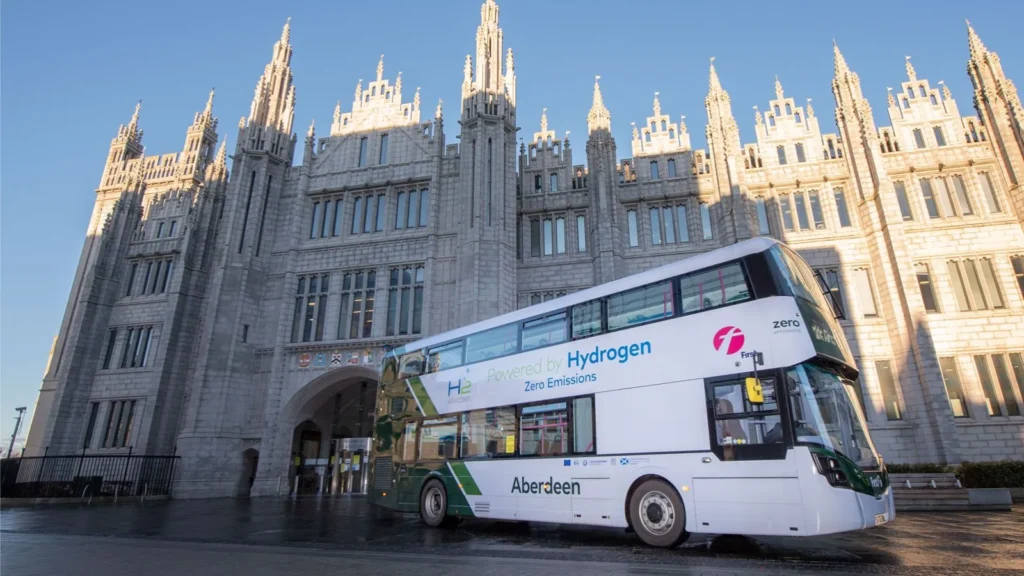
Aberdeen’s flagship fleet of 15 hydrogen double-deckers has been grounded for over 14 months, and the long-awaited comeback has just hit another snag.
Why are Aberdeen’s hydrogen buses still off the road?
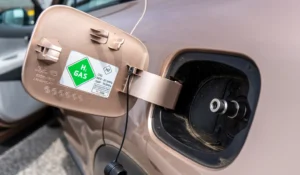
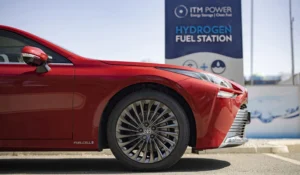
The buses, owned by Aberdeen City Council and operated by First Bus, went out of service in September 2024 after both public hydrogen refuelling stations—at Kittybrewster and Cove—suffered prolonged technical failures. A chronic lack of hydrogen supply has been the root cause ever since.
Hopes of a summer 2025 return have now evaporated. While recommissioning and refurbishment work is progressing, no confirmed in-service date exists.
New infrastructure offers hope—but not yet
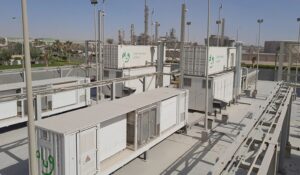
A brand-new Hydrogen Production Hub at TECA (near Aberdeen Airport) is now fully operational, and road testing of the buses is expected to begin in the coming weeks. However, until mobile refuelling solutions and depot-based stations are fully commissioned, passenger services remain on hold.
King Street depot refuelling station: the game-changer in waiting
Progress is being made behind the scenes. In November 2024, Aberdeen City Council unanimously approved First Bus’s new on-site hydrogen refueller at its King Street depot—the very project we covered in detail last year.
🔗 Related: Hydrogen refuelling comes to Aberdeen’s First Bus depot
Once live, this facility will end the fleet’s reliance on the troubled public stations and provide a secure, 24/7 hydrogen supply.
Aberdeen’s bigger hydrogen vision remains intact
Despite the delays, the Granite City is doubling down:
- £12.7 million investment in zero-emission buses
- 24 new electric buses already in service
- Upcoming Kintore Hydrogen—one of Europe’s largest production and refuelling hubs
- First Bus’s 2035 zero-emission fleet target
What the delay means for hydrogen adoption
Every month these high-profile buses sit idle is a PR blow for hydrogen fuel-cell technology. Yet the underlying issue isn’t the buses themselves—it’s the refuelling infrastructure catching up with ambition.
When they do return, backed by dedicated depot refuelling and local production, Aberdeen’s fleet could become one of the most reliable hydrogen operations in Europe.
Hang tight—Scotland’s hydrogen pioneer is down, but far from out.