Hyundai’s all‑new NEXO raises the bar for hydrogen mobility
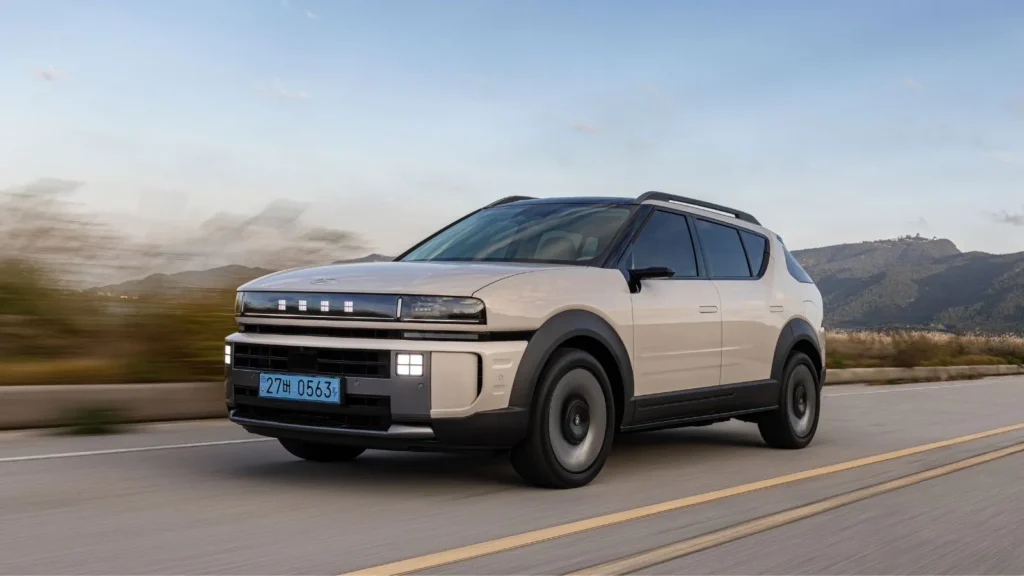
The latest iteration of Hyundai’s fuel‑cell electric vehicle (FCEV) isn’t just a refresh, it mounts a strong case for hydrogen in the mass market.
Evolution of the powertrain
Hyundai Motor Company’s all‑new NEXO sets new performance standards by updating both its fuel‑cell stack and power‑electronics (PE) system. The newly developed PE system doubles the battery output from 40 kW to 80 kW. Meanwhile, the fuel‑cell stack sees a gross output of 110 kW (up from 95 kW) and a net system output of 94 kW (up from 85 kW). Together, these enhancements raise the total system output from 135 kW to 190 kW.
In real‑world terms, this means the electric motor delivers 150 kW of power and enables a 0‑100 km/h acceleration time of just 7.8 seconds (down from 9.2 seconds).
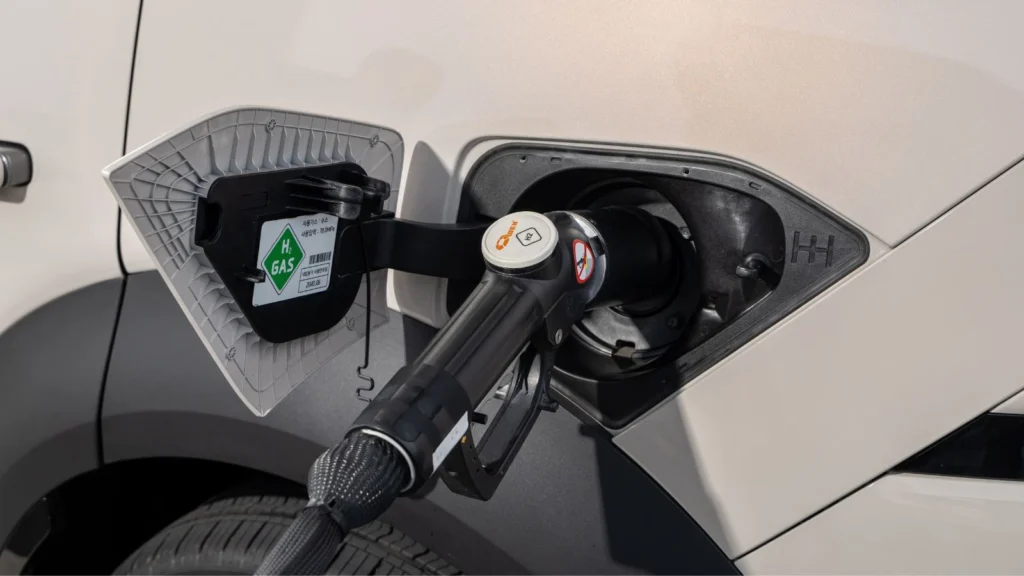
Hydrogen storage is also improved: the usable capacity has risen from 6.33 kg to 6.69 kg without compromising cabin space.
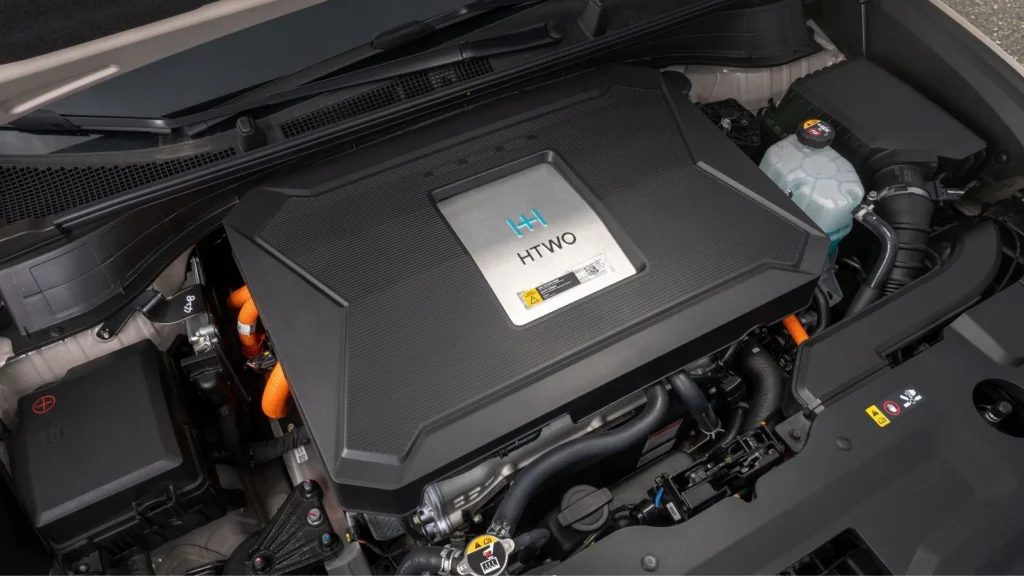
The projected WLTP driving range is an impressive 826 km (with 18‑inch wheels, Europe spec).
Hyundai has also enhanced cold‑weather performance with a new “Wake Up” anti‑freezing function and improvements in the fuel‑cell membrane structure and uniformity.
In short: the new NEXO is faster, more efficient, stores more hydrogen, and handles challenging conditions better.
Design, driving dynamics and efficiency
Beyond the powertrain, Hyundai has refined the aerodynamic, structural and driving‑dynamics aspects of the vehicle. The all‑new NEXO features underbody optimisations and airflow improvements to reduce drag.
Noise, vibration and harshness (NVH) is improved with Active Noise Control‑Road (ANC‑R). Whilst sound‑absorbing tyres, delivering a quieter and more refined ride.
Driving stability is enhanced through an e‑Handling system that dynamically controls motor torque based on road conditions. Hyundai’s Smart Regenerative System (SRS) uses navigation data and road‑feature awareness (e.g., speed bumps, cameras) to automatically adjust regenerative braking, reducing driver input.
For increased versatility, the new NEXO introduces towing capability (up to 1,000 kg) in its European specification. This is a first for FCEVs in this segment.
All these upgrades mean the NEXO doesn’t simply match its predecessor, it competes with the best of battery EVs and conventional internal‑combustion SUVs, while bringing hydrogen into the mainstream.
Advanced features and interiors
Inside, the all‑new NEXO pushes user‑experience, connectivity and sustainability. A dual 12.3‑inch curved display serves as the driver instrument cluster and infotainment hub, supporting over‑the‑air (OTA) updates, wireless Apple CarPlay and Android Auto.
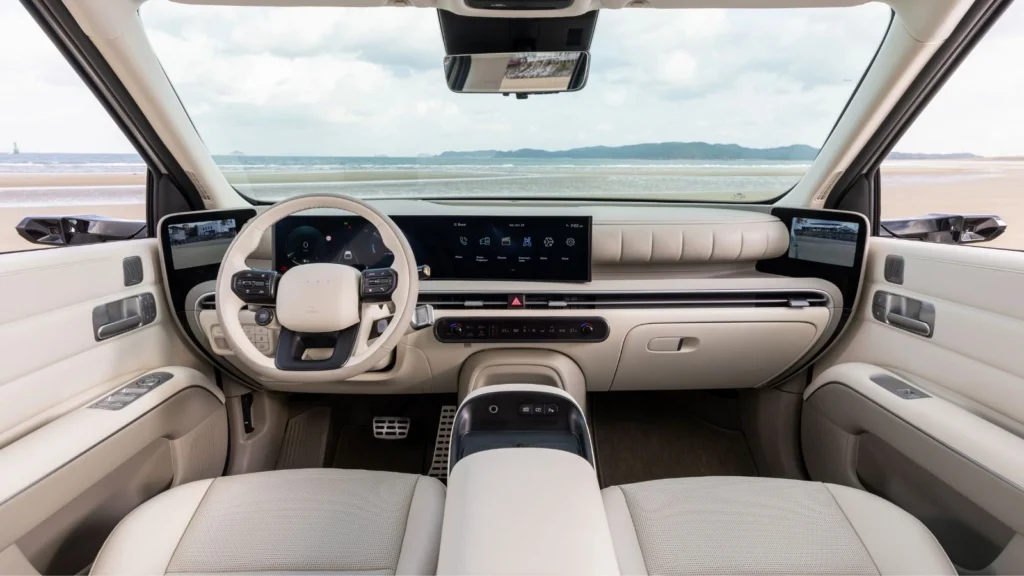
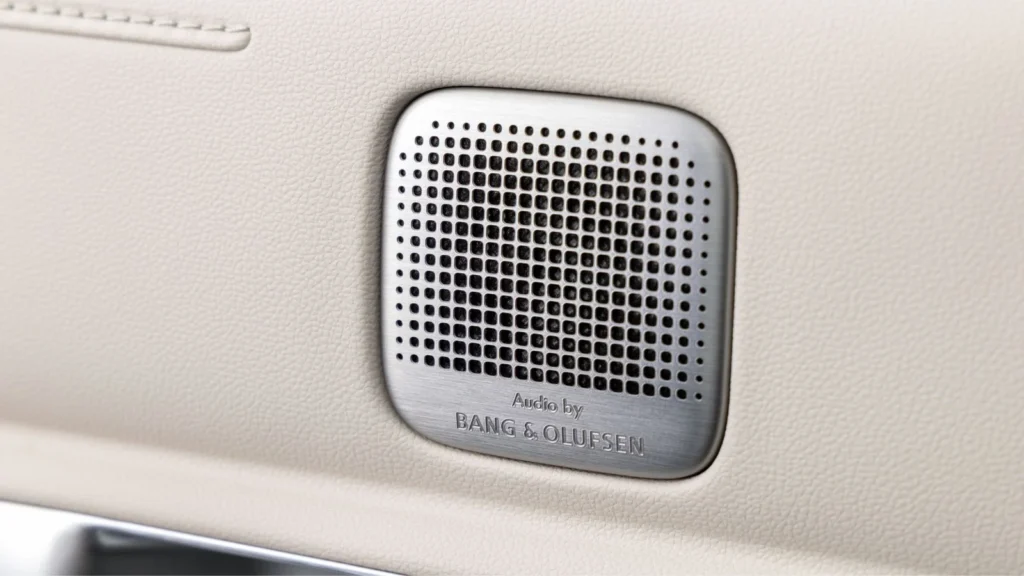
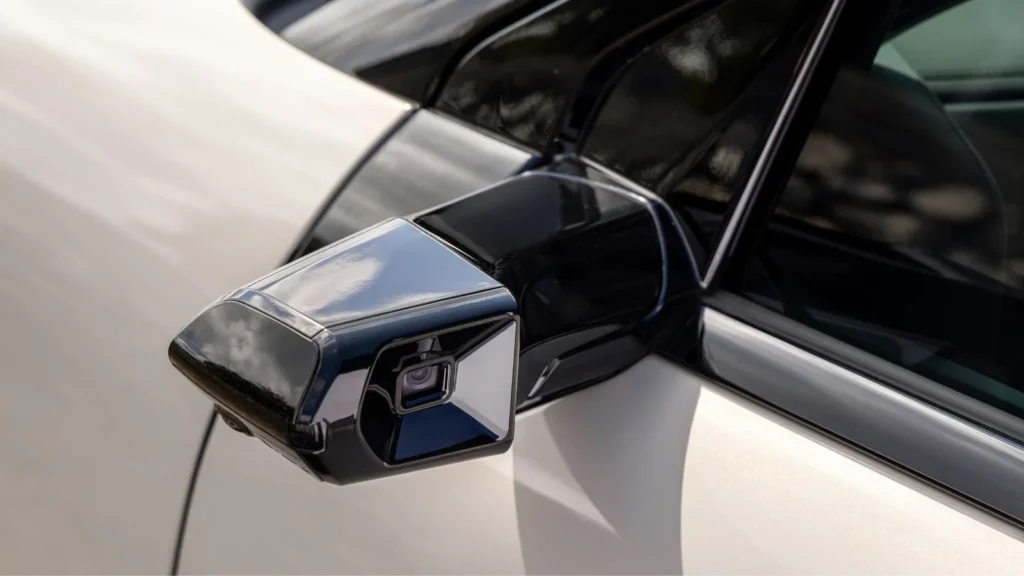

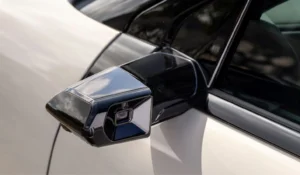
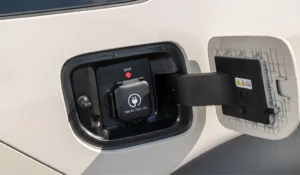
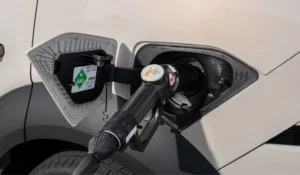
Generative‑AI voice recognition, a premium Audio by Bang & Olufsen system (up to 14 speakers), digital centre mirror (DCM) and digital side mirrors (DSM) feature in selected markets.
Interior materials emphasise sustainability: Hyundai uses bio‑process leather, recycled PET fabrics, and other bio‑based materials.
Comfort is stepped up with Premium Relaxation seats (leg‑rests, slim‑backs) and generous cabin room (e.g., increased headroom, improved second‑row leg‑clearance). Storage solutions and ambient mood lighting add to the premium feel.
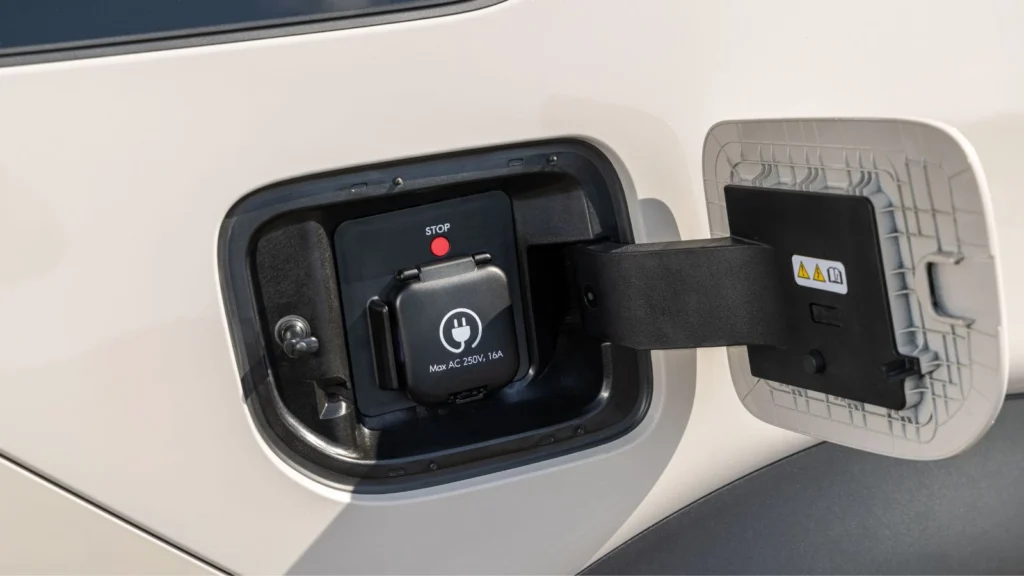
Hyundai also provides vehicle‑to‑load (V2L) functionality — exterior plug‑in capability to power appliances or tools from the car’s high‑voltage system.
So from tech features to design to eco‑friendly materials, the new NEXO brings hydrogen‑mobility up to mainstream standards.
Safety, practicality and everyday use
Hyundai didn’t leave practicality behind. The NEXO is built on a robust multi‑skeleton structure and is equipped with up to nine airbags.
Luggage capacity is enhanced: with 993 litres behind the second row and up to 1,719 litres behind the first row. Rear doors open wider than previous models, increasing ease of use.
The broad Advanced Driver Assistance System (ADAS) package rounds off the picture for those wanting a daily‑drivable hydrogen SUV that doesn’t compromise on safety or utility.
In practical terms, Hyundai is positioning the NEXO as a truly capable everyday vehicle — not just an eco prototype.
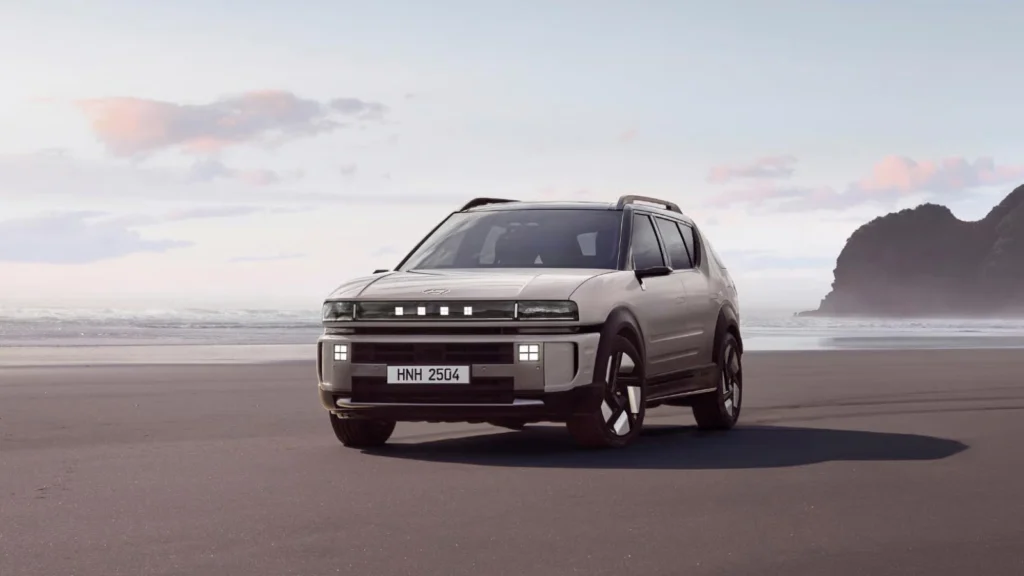
The all-new NEXO Specifications
| Specifications | ||
|---|---|---|
| Dimensions (mm) | Length | 4,750 |
| Wheelbase | 2,790 | |
| Width | 1,865 | |
| Height | 1,640 (1,675 w/ roof rack) | |
| Tires | 225/55R18 (18”), 245/45R19 (19”) | |
| Cargo capacity (ℓ) | 1,719 (behind 1st row) / 993 (behind 2nd row) *Based on SAE measurement | |
| Fuel cell stack power | 110 kW (Gross) / 94 kW (Net, FC system output) | |
| Motor output | 150 kW front (350 Nm) | |
| High voltage battery | Power | 80 kW |
| Energy | 2.64 kWh | |
| Hydrogen tank | Volume | 162.6 ℓ (54.2 ℓ x 3) |
| Usable H2 | Up to 6.69 kg | |
| Projected driving range (WLTP) | 826 km (with 18-inch wheels, European model) | |
| Fuel consumption (WLTP) | 0.81 kg / 100 km (18’’) 0.89 kg / 100 km (19’’) | |
| Power Performance | Max. Speed | 179 km/h / 111 mph |
| 0 → 100 km/h | 7.8 secs | |
| Exterior colors | Creamy White Pearl, Phantom Black Pearl, Amazon Gray Metallic, Ocean Indigo Matte, Ecotronic Gray Pearl, Goyo Copper Pearl | |
| Interior colors | Serene Gray + Mosi Ivory Two-tone, Dark Teal + Obsidian Black Two-tone, Obsidian Black Monotone | |
| ADAS features | Forward Collision-Avoidance Assist (FCA) 1.5/2.0, Lane Keeping Assist (LKA), Blind-Spot Collision-Avoidance Assist (BCA), Safe Exit Warning (SEW), Safe Exit Assist (SEA), Intelligent Speed Limit Assist (ISLA), Driver Attention Warning (DAW), Blind-Spot Viewer Monitor (BVM), High Beam Assist (HBA), Smart Cruise Control (SCC), Emergency Stop, Navigation-based Smart Cruise Control (NSCC), Lane Following Assist 2 (LFA), Highway Driving Assist (HDA), Rear View Monitor (RVM), Surround View Monitor (SVM), Rear Cross-Traffic Collision-Avoidance Assist (RCCA), Forward/Side/Reverse Parking Distance Warning (PDW), Forward/Side/Reverse Parking Collision-Avoidance Assist (PCA) and Remote Smart Parking Assist 2 (RSPA). | |
The hydrogen strategy: why it matters
For Hyundai, the all‑new NEXO is more than a car. It signals the company’s commitment to hydrogen as a key pillar of its electrified mobility roadmap. The press release emphasises that Hyundai brings “27 years of fuel‑cell technology experience” to this model.
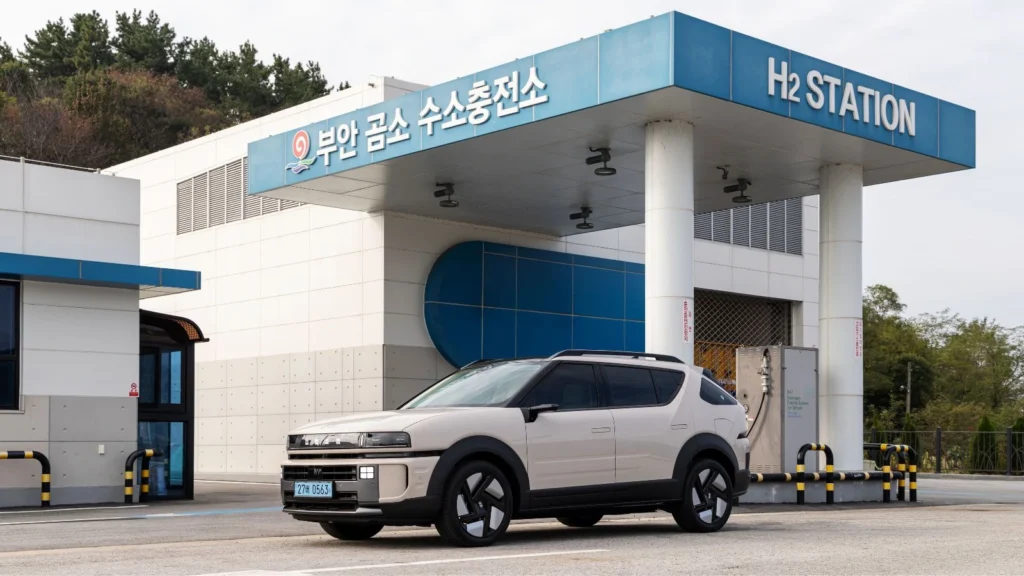
Hydrogen offers advantages over battery‑only EVs especially when range, refuelling speed, or user convenience are critical. With the NEXO’s improvements, hydrogen looks ready to move beyond early‑adopter status.
Hyundai is showing that hydrogen fuel cell vehicles can compete with mainstream EVs and internal combustion cars. The new NEXO delivers strong performance. It offers real-world usability. It also features a sustainable interior, designed with eco-friendly materials.
Launch & market availability
Hyundai unveiled the all-new NEXO in Seoul, Korea, on 11 November 2025 and plans to launch it globally in early 2026.
Hyundai hasn’t confirmed pricing for Europe or North America. But the new model sets a benchmark for hydrogen SUVs. It also reinforces the brand’s hydrogen ambitions.
Final word
In a market dominated by battery electric vehicles, the all-new Hyundai NEXO proves hydrogen fuel-cell mobility is still in the game. It’s not just surviving — it’s improving. With solid range, quick refuelling, refined tech and everyday practicality, Hyundai makes FCEVs feel like a real option.
For those watching hydrogen’s next wave — this SUV speaks volumes.