Japan launches hydrogen-powered tugboat with 4,400 horsepower twin engines
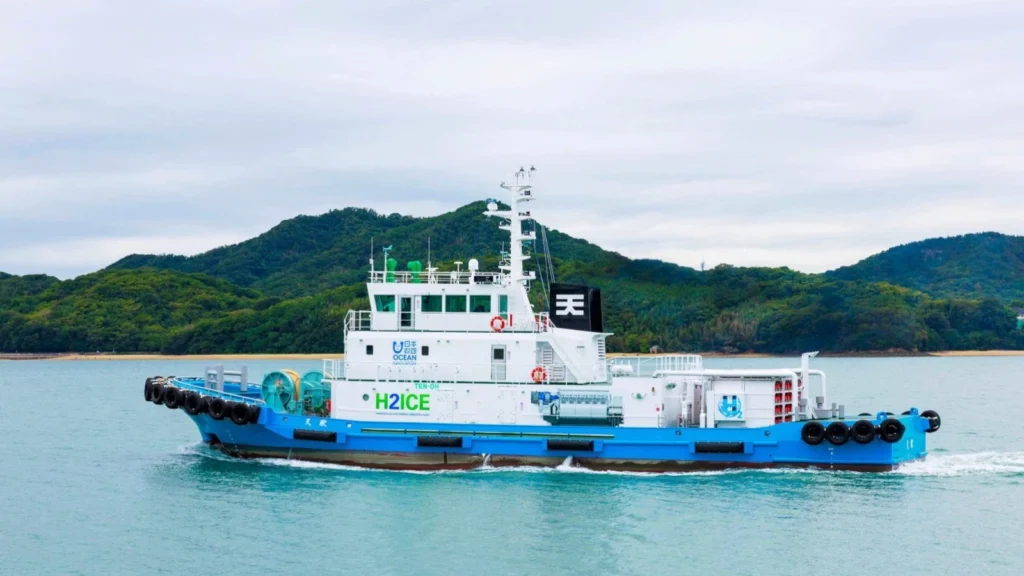
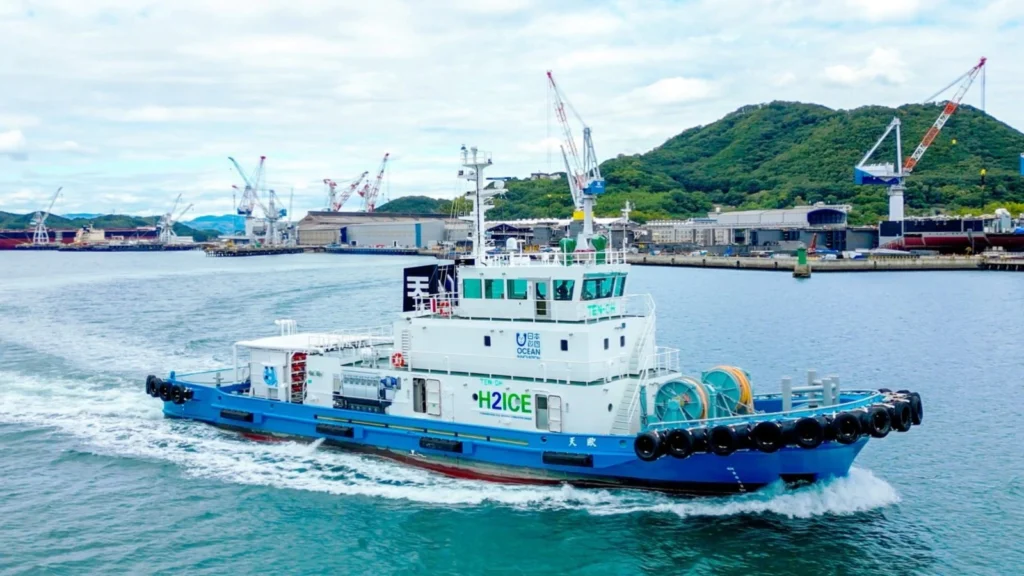
Japan’s first working hydrogen-powered tugboat has officially joined the water. Named Ten-Oh, the 38-metre vessel was delivered to the Port of Yokohama on 15 October, following its launch back in March from Fukuyama.
The tug is part of The Nippon Foundation’s ‘Zero Emission Ships Project’, which is aiming to bring commercially viable zero-carbon vessels into the domestic fleet.
This one won’t just be for show. It’s been purpose-built to operate under real conditions and will now begin demonstration work in Tokyo Bay.
Big boat, big hydrogen hardware
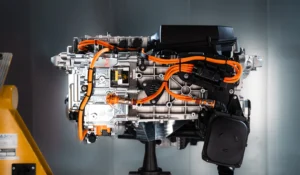
The Ten-Oh is powered by twin 12-cylinder BEH2YDRO hydrogen dual-fuel engines, delivering a combined 4,400 horsepower. These are full-scale marine internal combustion engines, designed to run on a mix of hydrogen and diesel, or entirely on diesel when hydrogen supply is limited.
The engines are supplied by JPNH2YDRO, a joint venture between Japan’s Tsuneishi Group and Belgium-based CMB.TECH.
To support sustained operation, the vessel carries around 250 kilograms of hydrogen stored in high-pressure gas tanks.
The fuel system has been developed to meet Japanese safety standards and is integrated into a large-capacity supply setup, allowing the tug to operate safely and with minimal emissions while manoeuvring in and around the port.
Not a concept, a demonstrator
Unlike many hydrogen marine projects that sit in R&D limbo, the Ten-Oh has been launched, delivered and is now being deployed for operational trials. These trials will provide key data on engine performance, hydrogen consumption, refuelling logistics and emissions output across different duty cycles.
The focus is on proving that hydrogen engines can work in practical, commercial service. Tugboats make ideal candidates for this kind of technology. They operate on short routes, close to shore, and often idle or work in bursts, which suits the fast energy delivery of hydrogen combustion.
Japan keeps pushing forward
With increasing pressure on shipping to reduce emissions, Japan is moving ahead with projects that prove hydrogen propulsion is more than just theory.
The country has been active across multiple maritime fuel options, including ammonia and methanol, but this hydrogen tug shows a firm commitment to building and testing hydrogen vessels at scale.
If the Ten-Oh performs well during trials, it could open the door for similar dual-fuel systems in other nearshore vessel classes such as ferries, patrol boats and offshore support ships.
Why it matters
Hydrogen combustion doesn’t get as much spotlight as fuel cells, but it’s a practical option for heavy-duty marine applications where weight, energy density and simplicity all matter.
Japan is showing that it’s not waiting around for the perfect technology. It’s getting on with building what can work now.
And that’s the kind of movement the sector needs. Big ships don’t turn quickly, but projects like this suggest the course is slowly, steadily changing.