What is AFIR – and what does it mean for hydrogen?

There are lots of acronyms surrounding hydrogen energy – RFNBO (renewable fuel from non biological origins), AFIR, CCS (carbon capture and storage) – and it’s not always clear what they mean.
AFIR is one that has been floating around more often within the last year, since it first became applicable in April 2024. So what does it mean – and why does it matter for hydrogen?
What is AFIR?
The Alternative Fuels Infrastructure Regulation, or AFIR, is a regulation under the European Commission which establishes measures for the deployment of alternative fuels infrastructure.
Its upgrade from a directive to a regulation was proposed in July 2021, which makes its targets binding in all Member States.
The European Commission sets out three main objectives for the regulation:
- to ensure minimum alternative fuels infrastructure is available across Member States to meet the EU’s climate objectives
- to ensure all alternative fuels infrastructure is interoperable
- to ensure all users of alternative fuels infrastructure are provided with comprehensive user information and adequate payment options
The AFIR sets out minimum requirements for the building of infrastructures such as hydrogen refuelling stations, in order to ensure alternative fuelled vehicles can be used without difficulties throughout the EU.
The measure aims to encourage the use of alternative fuels, provide jobs within alternative fuel industries, and minimise transport-based environmental damage.
What are ‘alternative fuels’?
Alternative fuels are defined by the European Commission as “fuels or power sources which serve, at least partly, as a substitute for fossil oil sources in the energy supply to transport and which have the potential to contribute to its decarbonisation and enhance the environmental performance of the transport sector”. This includes hydrogen energy.
How will this affect hydrogen infrastructure?
Currently, there is a struggle for hydrogen refuelling infrastructure across the EU, which encourages reluctance among investors to support hydrogen-fuelled vehicle production.
However, the AFIR details specific targets surrounding the deployment of hydrogen refuelling infrastructure which could put an end to this ‘chicken-and-egg’ problem.
Articles 6 and 7 specify that one hydrogen refuelling station will be situated every 200km along the Trans-European Transport Network, which includes the busiest connections between major cities and urban areas.
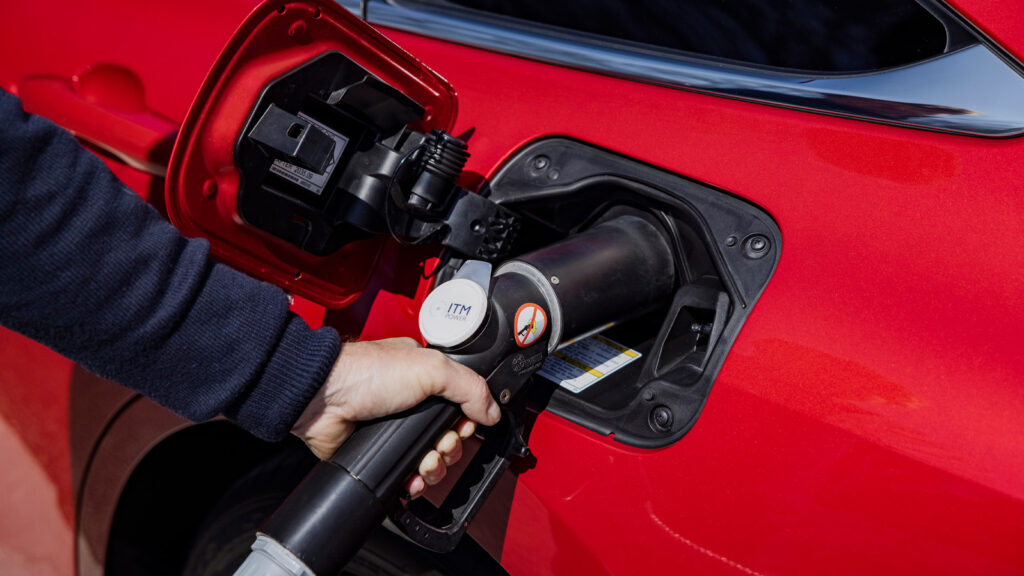
In each of these urban areas, referred to as “nodes”, there will be at least one tonne per day of hydrogen.
Daily capacity for these hydrogen refuelling stations will only be decreased if daily traffic is below 2000 vehicles, or if there is justified socio-economic concerns.
These Articles also require all Member States to set out a “clear deployment trajectory” including indicative targets for 2027.
These should meet the minimum coverage across the country and be in line with market demand, which was determined in the market readiness report released in June 2025.
What’s next?
A review of the Regulation, including an assessment of targets set out in Article 6, is expected by the 31st December 2026.
Until then, Member States will be working to enshrine hydrogen infrastructure targets into national law, and developing infrastructure across these major networks.
To develop 2027 targets, the market readiness report will be needed. However, the report’s delay in publication by over five months means these targets may still be in development – less than two years before they must be met.