Tallinn launches Baltics’ first green hydrogen cars with Bolt rides
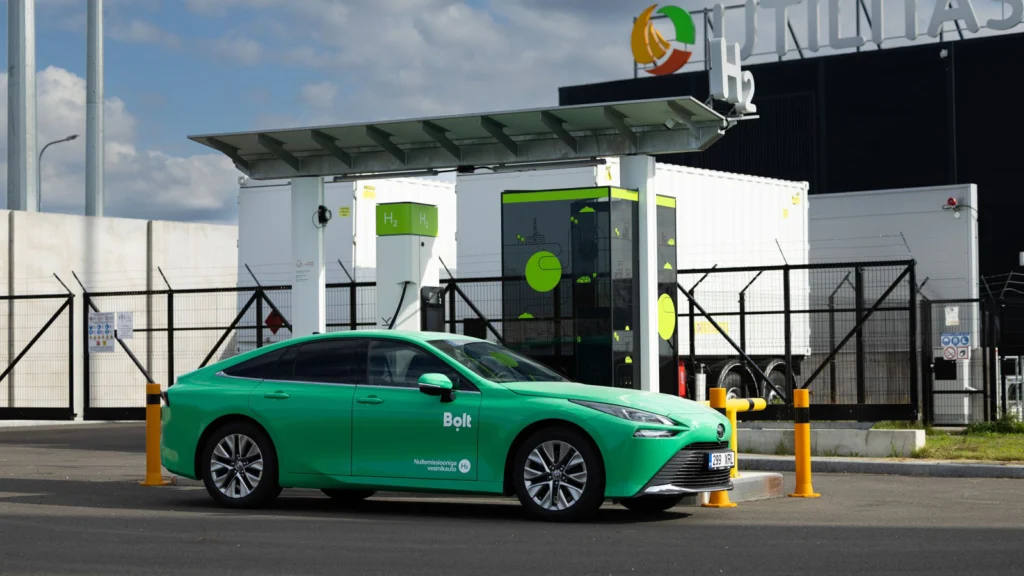
Tallinn residents can now order a hydrogen-powered car through the Bolt app, as the Estonian capital becomes the first city in the Baltics to roll out a full green hydrogen value chain – from production to refuelling to vehicles on the road.
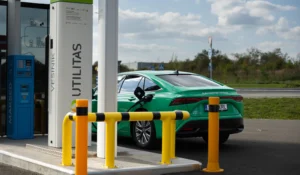
The project has brought 30 Toyota Mirai fuel cell cars to Tallinn’s streets, purchased from local distributor ELKE Auto. They will gradually be made available across Bolt’s ride-hailing categories including Comfort, Premium, Electric and Comfort Electric.
Hydrogen from Väo – with more stations coming
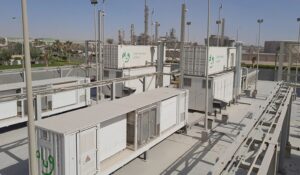
The backbone of the initiative is a new green hydrogen production facility and refuelling station at the Väo energy complex, developed by Estonian renewables company Utilitas.
Energy company Alexela will open a second public-access station on the city’s Peterburi Road later this year, creating a small but further move towards building a nationwide network.
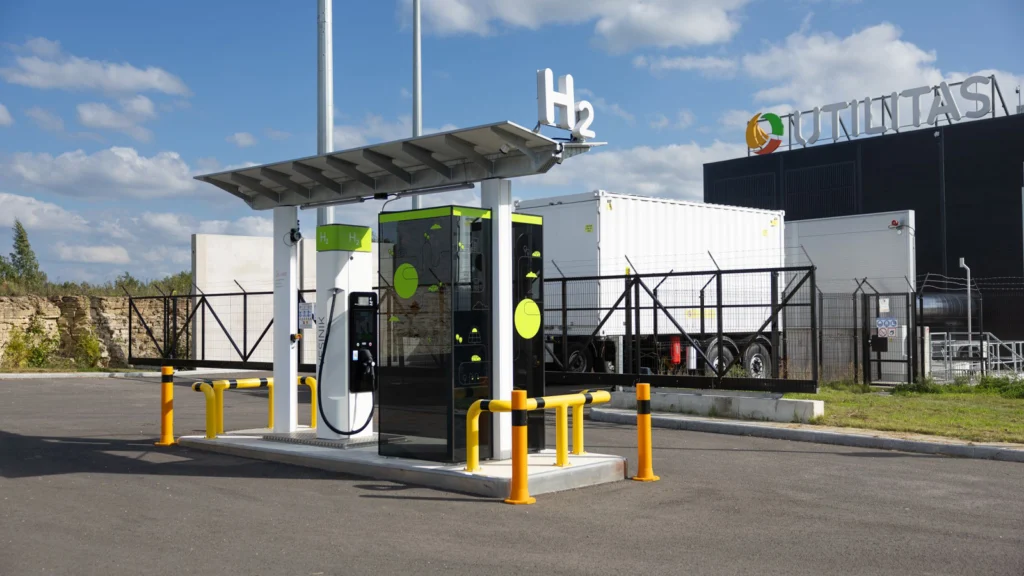
“Green hydrogen is currently the only alternative capable of replacing fossil fuels not only in transport but also across various industrial sectors,” said Aivo Lokk, Head of Business Analysis at Utilitas. “Volumes remain small and this is a pilot project, but the potential is significant.”
Alexela’s Head of Alternative Fuels Development, Artur Dianov, said the company’s goal is to establish and operate the infrastructure: “The first station is already operational in Väo for business clients, and later this year we will open Estonia’s first retail-accessible hydrogen station.”
Fast refuelling, long range
Bolt says the Mirai fleet will add a new dimension to its zero-emission offering, combining quick refuelling with long driving range. “Hydrogen cars combine zero-emission driving with convenient, fast refueling and long range, enabling our drivers to provide quick and comfortable service,” said Oscar Rõõm, Head of Ride-hailing at Bolt.
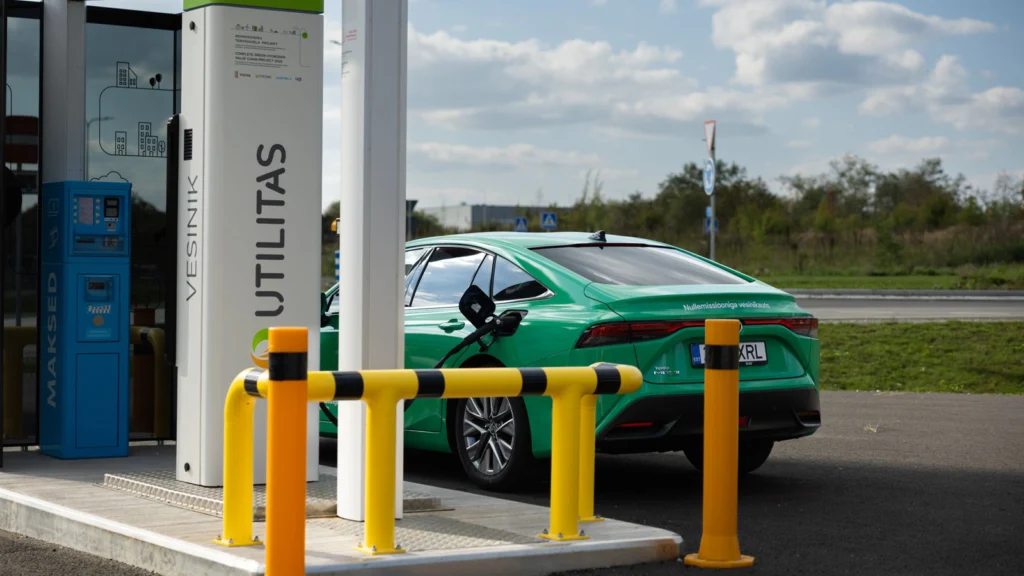

The project received co-funding from Estonia’s Environmental Investment Centre (KIK) and the Ministry of Economic Affairs and Communications, with vehicle purchases handled by UG Investments.
Building towards 2030 targets
The rollout comes ahead of EU AFIR requirements for member states to build hydrogen refuelling stations every 200 km along main highways and at transport hubs by 2030.
Tallinn’s first stations will act as a testbed for a wider network, helping to prove the business case for hydrogen mobility in Estonia.