600 Toyota Crown hydrogen taxis to join Tokyo’s fleet under new TOKYO H2 project
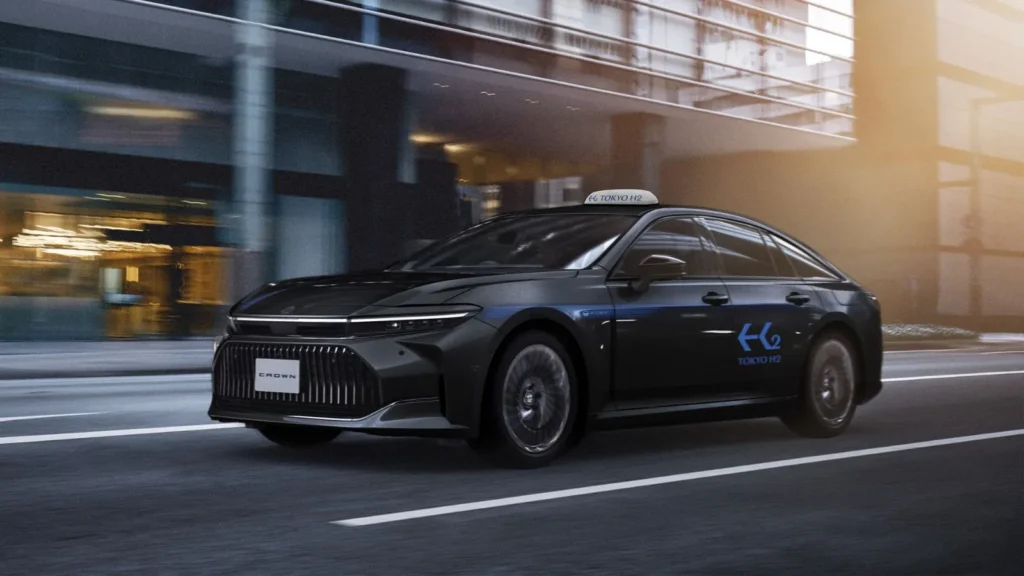
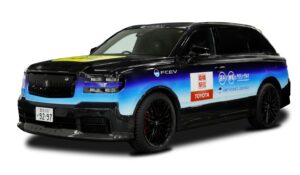
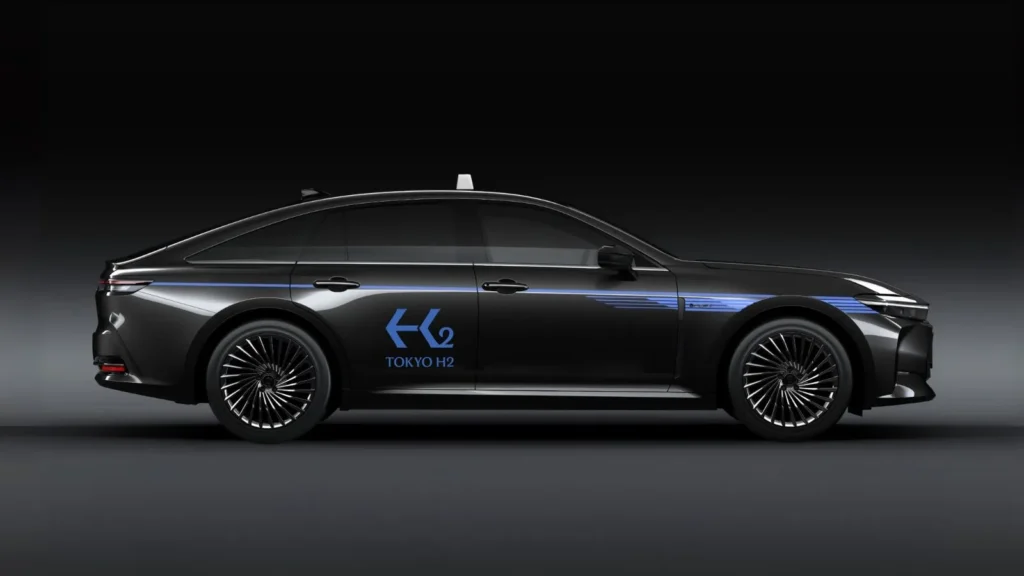
Tokyo has set out plans to put 600 hydrogen-powered taxis on its streets by 2030, with Toyota confirming that 200 Crown fuel cell saloons will be delivered by 2025.
The scheme falls under TOKYO H2, a new public-private initiative launched this week by the Tokyo Metropolitan Government, aimed at making the world’s largest city a global hydrogen leader.
From Mirai to Crown
Toyota’s Mirai has already served as the firm’s flagship fuel cell car, including taxi duties in the capital. The decision to add the Crown – traditionally a chauffeur’s favourite, and one of Toyota’s longest standing models in Japan – brings more space and comfort for passengers, a factor Toyota says makes it a better fit for taxi work. Or it was because the Crown is much more expensive.
Interestingly, the company has also reopened its Mirai showroom in Minato City, first opened in 2015, and then at some point quietly shut. The facility, now called the TOKYO H2 HUB, is intended to act as both an information point for the public and a base for companies involved in the project.
Building scale
The Metropolitan Government’s 600-taxi target by 2030 is modest in a city of nearly 14 million people, but Toyota and the project want to particularly target commercial fleets where hydrogen really makes sense.
Taxi operators typically clock high mileages and require quick refuelling, making them a natural early adopter of hydrogen drivetrains.

Toyota said the project will “generate substantial hydrogen demand” and aims to create a “virtuous cycle across the supply chain” in order to kickstart their “hydrogen society” goals to sectors outside of mobility.
Questions still hanging
What we don’t know is which operators will run the Crown fleet, how many hydrogen stations Tokyo currently has available, or how many more will be built to support the rollout.
Even so, TOKYO H2 gives Toyota a domestic stage to showcase its continued commitment to hydrogen mobility, while offering passengers a quiet – and, crucially, quick-to-refuel – alternative to battery-electric taxis.