Mercedes-Benz and EU car industry tell Brussels full electrification “no longer feasible”
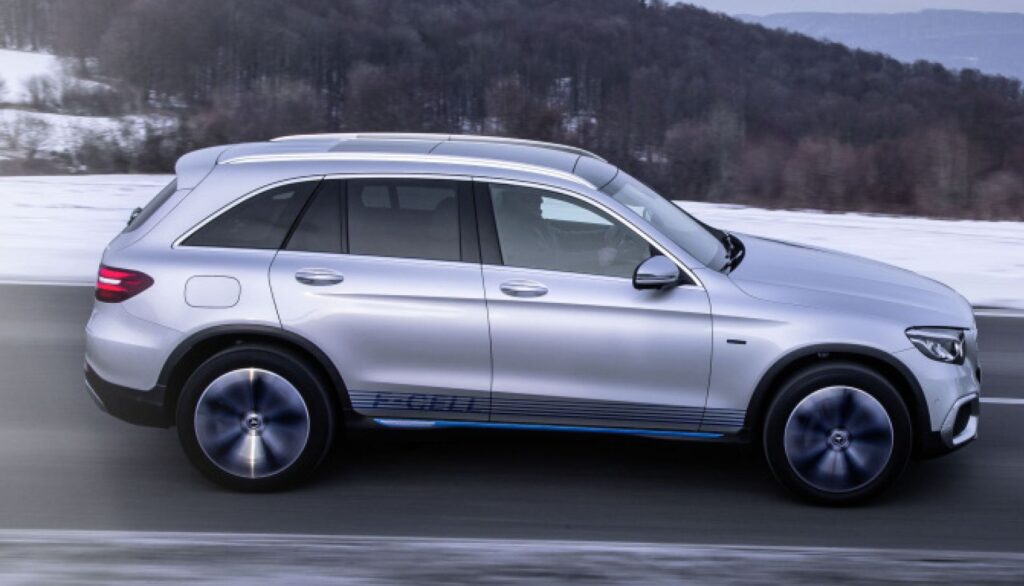
Europe’s carmakers and suppliers biggest lobbyists delivered a blunt open letter warning to Brussels last week, telling the European Commission President that the bloc’s current plan to decarbonise road transport is “simply no longer feasible” and risks hollowing out one of its most important and strategic industries.
In the letter sent to Ursula von der Leyen, the European Automobile Manufacturers’ Association (ACEA) and the European Association of Automotive Suppliers (CLEPA) said the EU’s climate strategy has been overtaken by “drastically” shifting global realities.
They called next month’s Strategic Dialogue on the Future of the European Automotive Industry “the EU’s last-chance saloon to adjust its policies for today’s market, geopolitical, and economic realities – or risk jeopardising one of its most successful and globally competitive industries.”
“We are being asked to transform with our hands tied”
The letter, representing a sector worth 8% of the EU’s manufacturing value-add and 14 million jobs, sets out a stark assessment by saying “we want to make this transition work – but we’re frustrated by the lack of a holistic and pragmatic policy plan for the automotive industry’s transformation”.
“We are being asked to transform with our hands tied behind our backs”, they wrote.
ACEA and CLEPA argue that car and van CO₂ targets for 2030 and 2035 are no longer realistic, citing Europe’s “near-total dependency on Asia for the battery value chain,” an “uneven distribution of charging infrastructure,” soaring production and electricity costs, and a 15% US import duty on EU-built vehicles.
Despite more than €250 billion committed by manufacturers, battery-electric vehicles remain only “around 15% for cars, roughly 9% for vans, and 3.5% for trucks,” they said, adding that “a large chunk of customers remain wary of switching to alternative powertrains.”
Battery-electric vehicle adoption is also showing signs of plateauing. Overall registrations are marginally down this year, and incentives remain patchy between member states.
Call for technology neutrality – hydrogen explicitly included
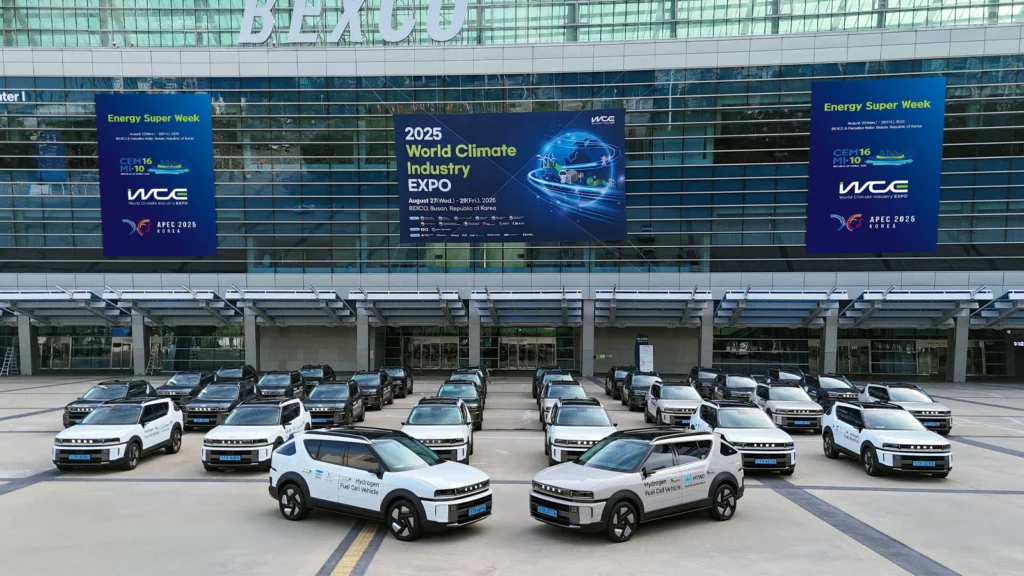
Mercedes-Benz CEO Ola Källenius and Schaeffler powertrain chief Matthias Zink, who lead ACEA and CLEPA respectively, argue that Brussels must widen its approach to include hydrogen and e-fuels.
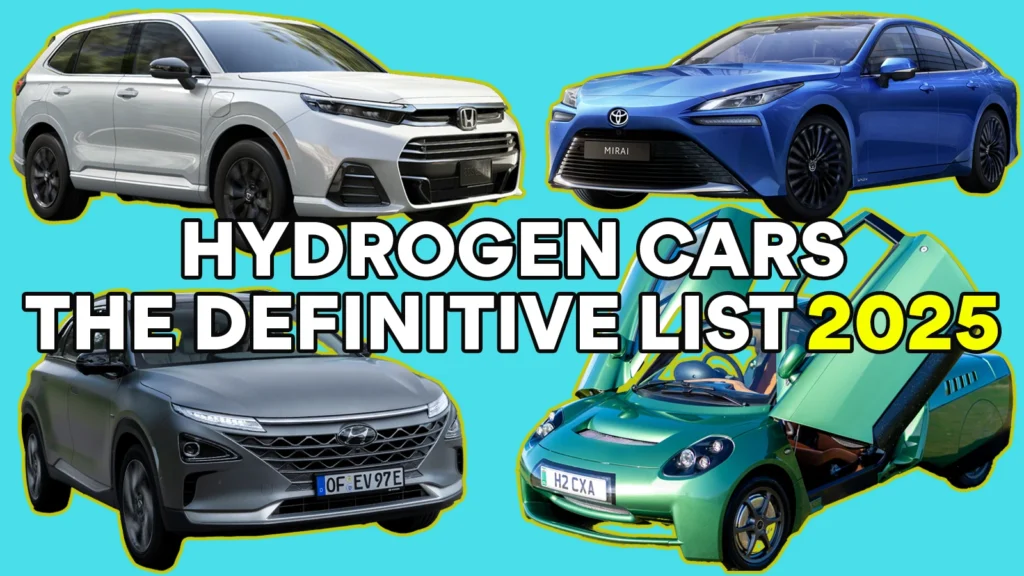
“Technology neutrality should be the core regulatory principle, which safeguards that all technologies can contribute to decarbonisation,” they said.
“EVs will lead the charge, but there must also be space for (plug-in) hybrids, range extenders, highly efficient internal-combustion-engine (ICE) vehicles, hydrogen and decarbonised fuels.”
They stressed that decarbonisation “means going beyond new-vehicle targets – it requires tackling emissions from the existing fleet, expanding fiscal and purchase incentives, and introducing targeted measures for trucks and buses to level the total cost of ownership.”
Heavy-duty carbon rules “cannot wait until 2027”
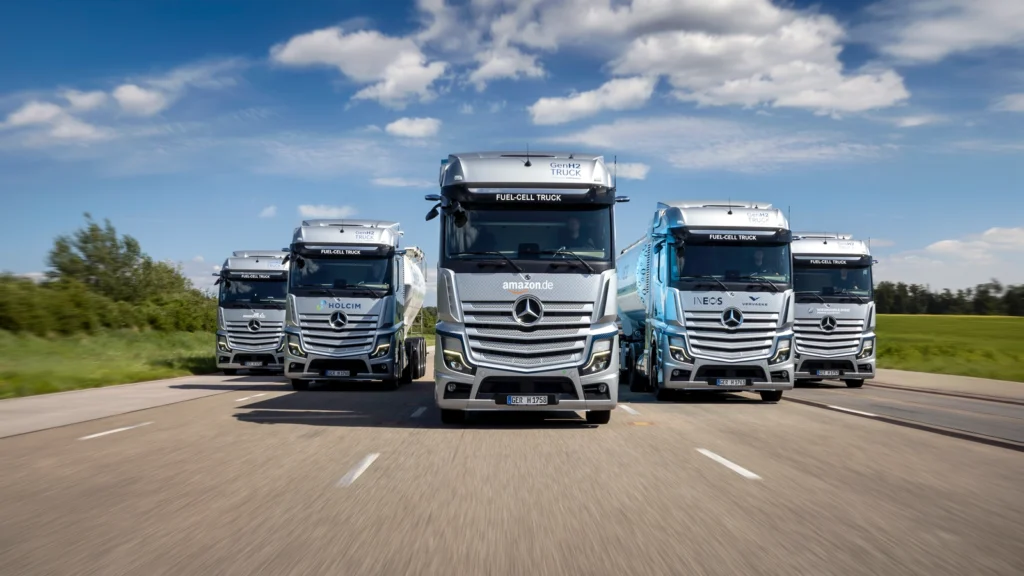
The groups call for urgent action on freight and passenger transport: “The CO₂ regulation for heavy-duty trucks and buses must be reviewed as soon as possible.
“This distinct segment of the market needs robust business cases for all stakeholders in the commercial road transport sector to set the transformation off. This cannot wait until 2027.”
Without stronger policy support, they warn, Europe risks losing its industrial edge. “The transition risks hollowing out our industrial base, putting innovation, quality employment, and supply chain resilience at risk,” the letter says.
“The world has changed drastically since the current direction has been set,” they added. “We must move beyond the narrow assumption that this transition hinges solely on CO₂ targets for new vehicles.”
Brussels under pressure
The intervention comes just two weeks before the Strategic Dialogue, which brings together senior EU policymakers, automakers, and suppliers.
The meeting arrives amid tightening emissions rules, rising trade barriers, and increasing competition from Chinese and American manufacturers.
The letter closes with a plea for pragmatism: “We share a common destination, yet the journey requires more pragmatism and flexibility to keep the motor of Europe’s automotive sector running.”