Hyundai uses diplomatic stage to push hydrogen agenda
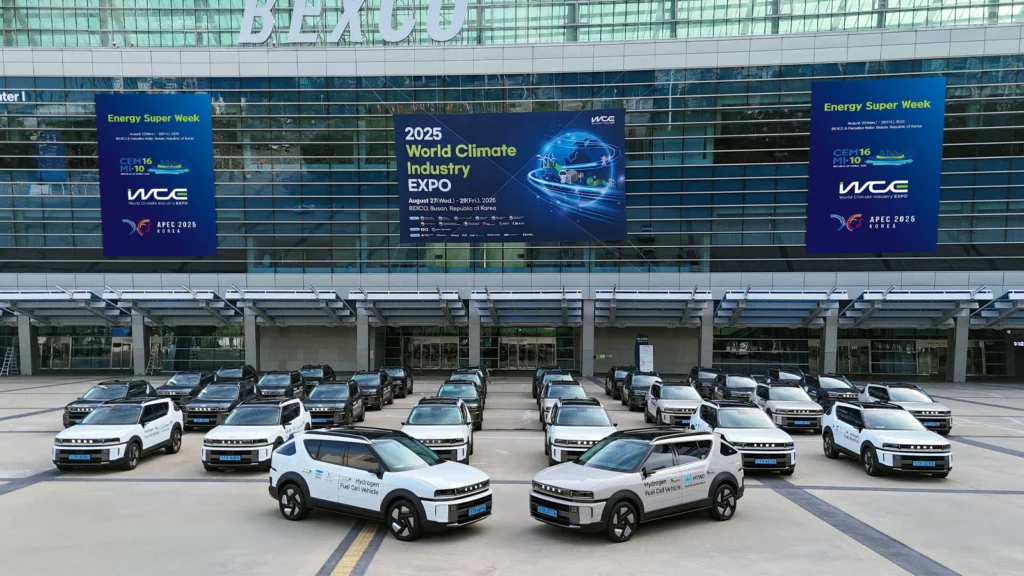
Hyundai has spent the past week putting hydrogen in front of some of the most influential people in global economics and energy policy, taking its HTWO platform and all new NEXO fuel cell SUV to two heavyweight events in Korea.
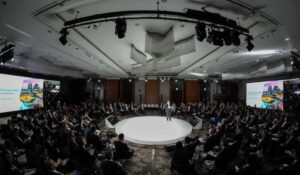
First stop was the World Congress of the Econometric Society (ESWC 2025) in Seoul – the five-yearly gathering where Nobel Prize winners, academics and senior policymakers debate the economic future of the planet.
Hyundai used the occasion to lay out its hydrogen ecosystem in full, with electrolysis hubs, waste-to-hydrogen plants, trucks, buses, and their new flagship passenger FCEV – the NEXO – all presented as both clean technology and an economic opportunity.
Less than a week later, the company moved down the coast to CEM16, the Clean Energy Ministerial in Busan.
Ministers from 29 member nations, 21 partner countries and global agencies including the IEA, UNIDO and World Bank gathered to discuss the pace of the energy transition.
Hyundai took the floor in two high-level dialogues, arguing that hydrogen will need regulatory alignment and heavy investment if it’s to play the role industry is betting on.
Ken Ramirez, Head of Hyundai’s Energy & Hydrogen Business Division, told delegates: “As an efficient energy carrier, hydrogen plays a central role in enhancing energy resilience and driving industrial innovation.
“Hyundai Motor Group is capitalizing on our broad expertise and proven heritage in hydrogen of nearly three decades to deliver real-world hydrogen-powered solutions at scale.”
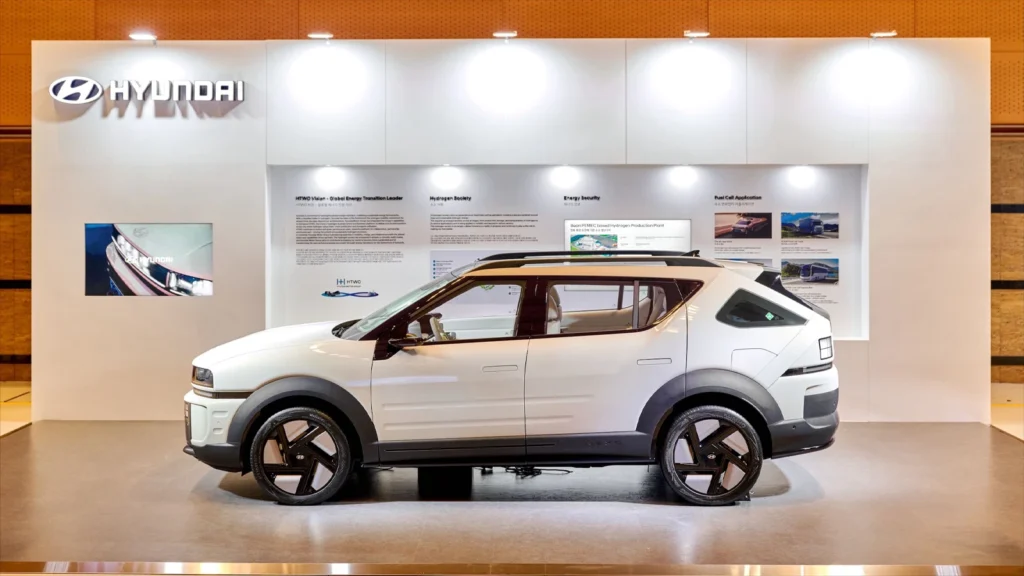
Projects on the table
The Busan summit became a showcase of Hyundai’s active projects, including:
- The NorCAL ZERO and HTWO Logistics initiatives in the US
- A hydrogen-powered car transporter at Pyeongtaek Port
- Hydrogen mobility and industrial trials at Incheon International Airport
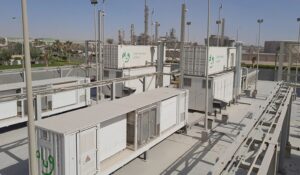
- Plans for waste-to-hydrogen systems and regional green hydrogen hubs
The group also pushed for international standards and certification frameworks to help scale hydrogen production and accelerate infrastructure build-out.
Diplomatic duty for NEXO
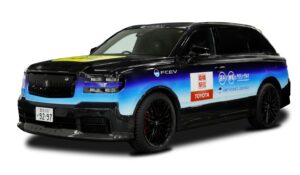
To support CEM16 and the parallel APEC Energy Ministerial, Hyundai supplied a fleet of 32 all-new NEXOs as official vehicles – the first time fuel cell cars have been deployed in this role at a global summit.
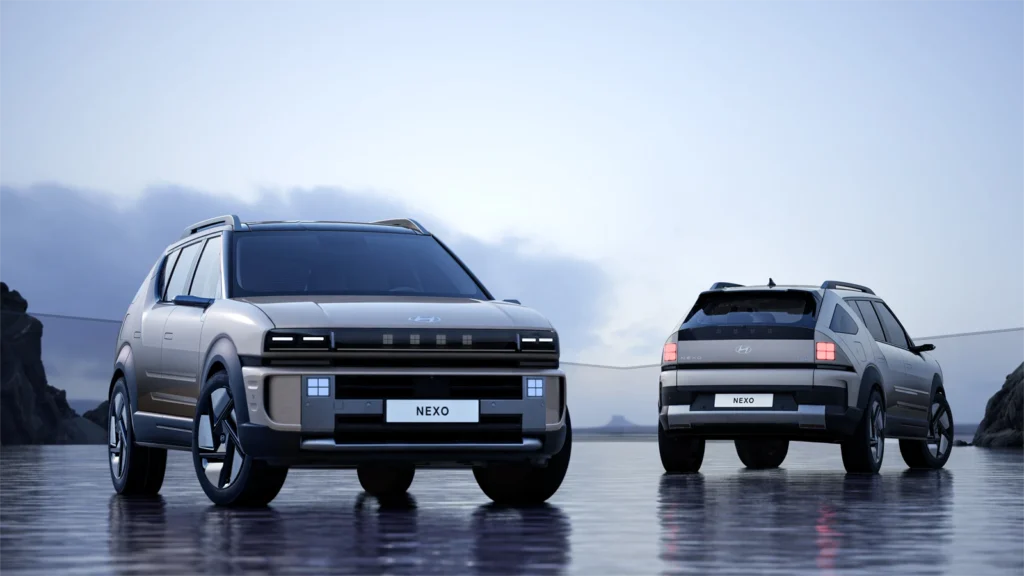
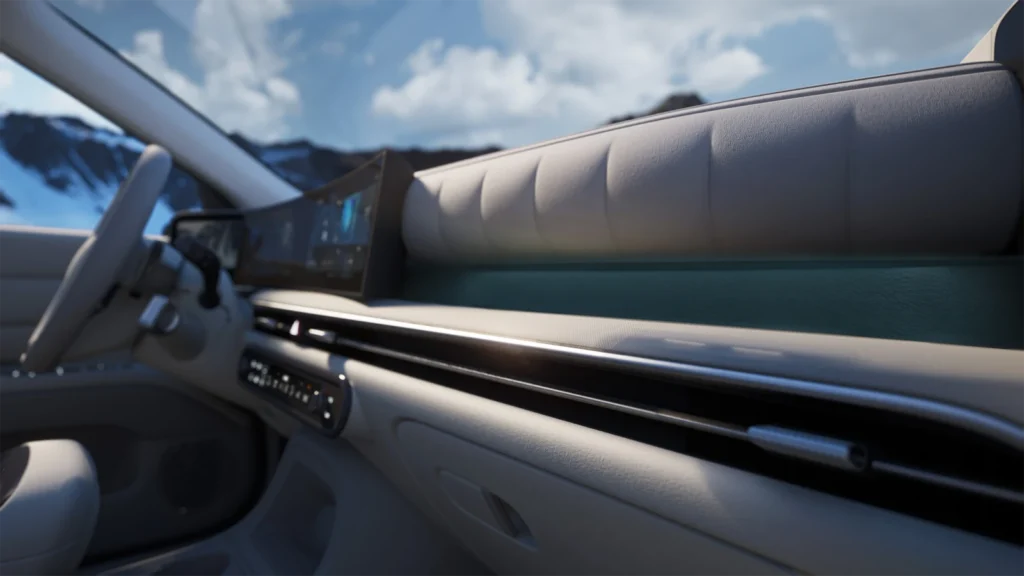
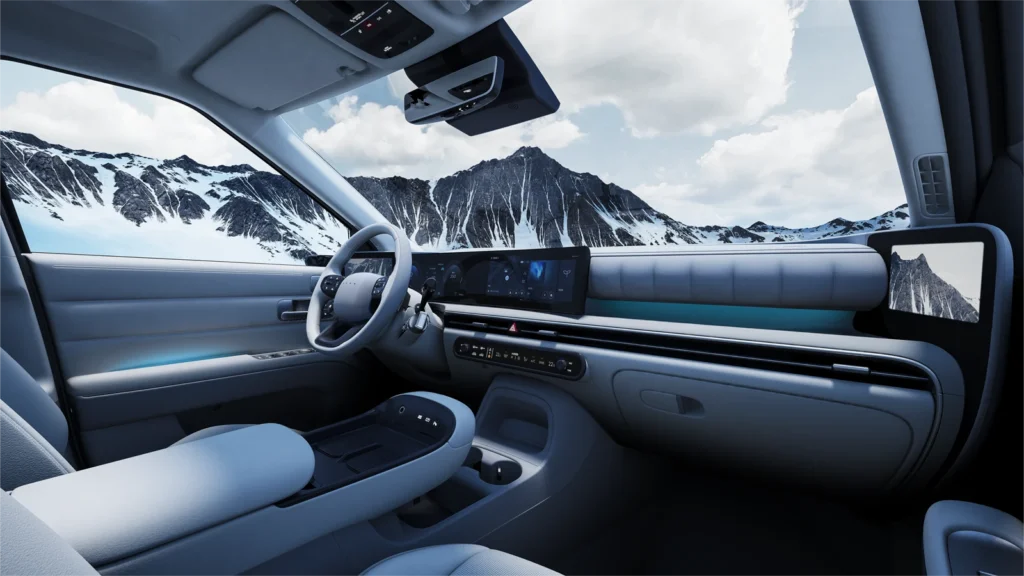
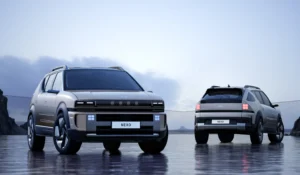

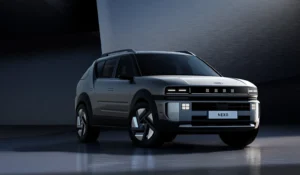
The second-generation hydrogen SUV, revealed in April, has a 700 km range, a 150 kW electric motor, and a five-minute refuel, making it the most capable hydrogen passenger car Hyundai has built to date.
Back-to-back appearances at two global summits underline Hyundai’s effort to push hydrogen into serious policy discussions – shifting it from technology showcase to operational reality.
With its flagship FCEV in diplomatic service, the company is making a quiet but pointed case that hydrogen is ready, and that the bigger challenge now is creating the frameworks and infrastructure to match.