Greece goes green: Landmark hydrogen law sets stage for renewable revolution
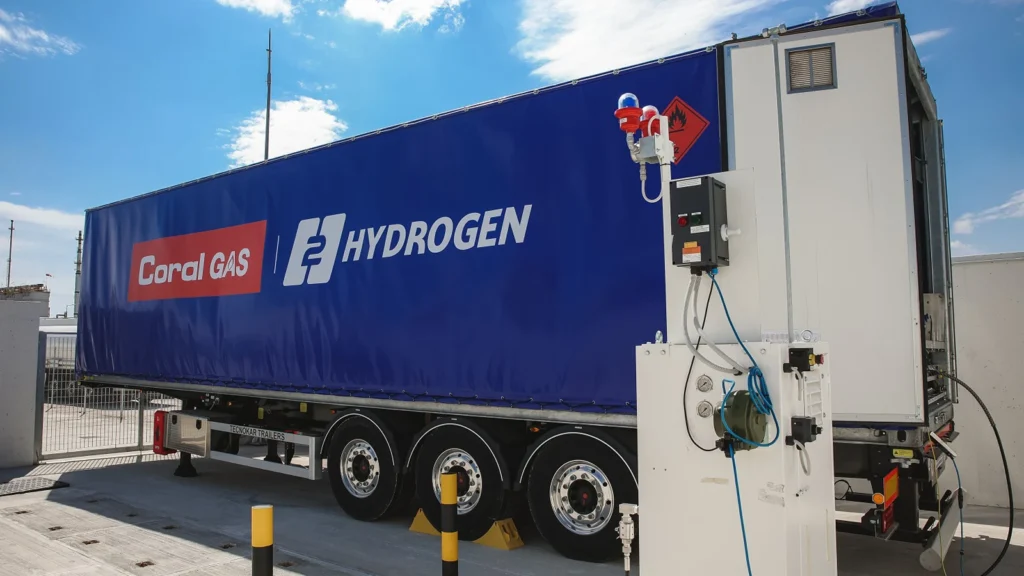
Greece has passed its first dedicated hydrogen law, marking a major step in the country’s transition to renewable energy.
The Greek Parliament passed Law 5251/2025 – the country’s first dedicated hydrogen law – earlier this week, which laid the framework for the production and support of renewable hydrogen. Hydrogen was positioned as a strategic enabler – a way for Greece to become a regional export hub and enhance its flexibility.
The Hydrogen Producer Certificate
This is the headliner in Greece’s new law, as the primary requirement for every potential hydrogen producer. The Hydrogen Producer Certificate, or HPC, simplifies the route towards officially licensed hydrogen production units, setting out a clear framework for developers.
The certificate will be valid for 25 years, and is attainable through a fully digital application. All applicants must state whether the electricity will be sourced from a renewable energy plant or supplied via the electric grid.
To be certified as renewable hydrogen from the electric grid, the Law sets out a number of conditions surrounding operating hours, carbon intensity, power plant location and the share of renewable energy in the area’s power mix.
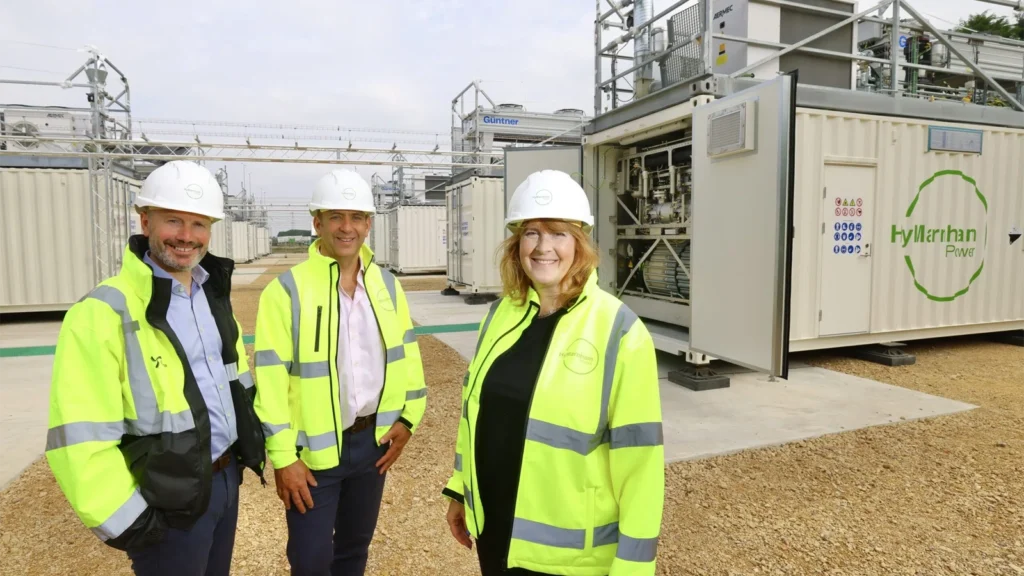
Once certified, developers must get environmental licensing, grid connection, non-injecting units (which track hydrogen production and delivery) and installation approval. It may seem like a lot of steps, but most can be completed in parallel with one another.
The HPC’s streamlined licensing process has simplified weeks of logistical work into one digital form, and removes the need for any further legislative approval.
The new Law approximates a timeframe of 24 months to be ready to build, and with this new clarity and shortened time, hydrogen units are much more likely to appeal to new investors.
Supporting new projects
The new law also puts in place a number of conditions surrounding financial support for renewable hydrogen products.
- All schemes must be approved by the European Commission and the Clean Industrial Deal State Aid Framework.
- Aid can be supplied through the Public Investment Programme.
- Projects which have already received the European Commission’s approval for individual aid schemes prior to the new Law remain eligible.
The current Public Investment Programme is the largest in more than a decade, and has recently received a €500 million increase. Through the new law’s approval of aid from the programme, billions of Euros become available as potential funds for hydrogen energy production.
What does this mean?
The new Hydrogen Producer Certificate is likely to boost investor’s confidence in hydrogen, and cause a marked increase in hydrogen infrastructure. With aid confirmed as available from the Public Investment Programme, the money is there to make hydrogen a principal player in Greece’s renewable energy scheme.
The market is already racing to be first on the hydrogen energy front – Hellenic Hydrogen’s project and Motor Oil’s Corinth plant have both secured early permitting and EU approval.
A surge towards hydrogen development in Greece is likely within the next few years as Greece unveils more legislation and potentially more funding opportunities.
This landmark legislation is evidence of a changing recognition of hydrogen energy, as countries realise the importance of diverse renewable energy sources. There’s still more legislation needed – namely, technical standards and grid access rules – but Law 5251/2025 marks a major step in the right direction.