Alpine says hydrogen engines could go road-legal – if the infrastructure catches up
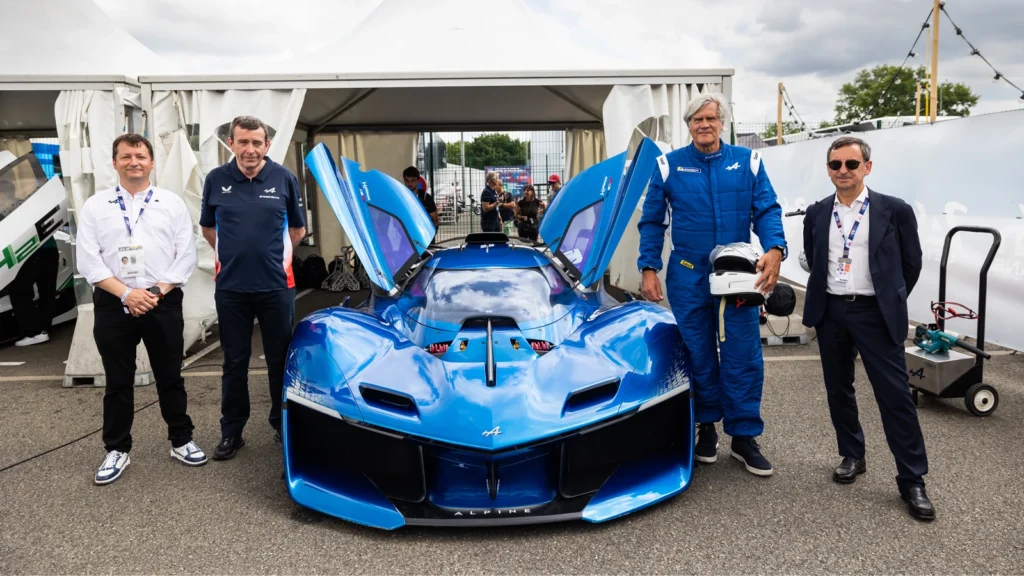
Alpine’s hydrogen-powered Alpenglow Hy6 racer may have wowed crowds at Le Mans this weekend with its 306km/h high-speed demo run down the Mulsanne Straight, but the firm’s top engineers say the same tech won’t be reaching public roads any time soon – thanks largely to infrastructure.
In a piece published by Car Throttle, Alpine’s product performance VP Sovany Ang and design director Antony Villain discussed the brand’s ambitions for hydrogen internal combustion – and some of the reality checks standing in their way.
“We see a blocking point in the short term because of infrastructure,” Ang told Car Throttle, when asked whether hydrogen ICE could translate into a road-going product. “It’s important to continue to search all the avenues, and why not for road-legal cars?”
Alpine’s Alpenglow concept debuted last year with a futuristic liquid hydrogen powertrain and radical bodywork.
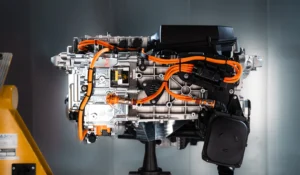
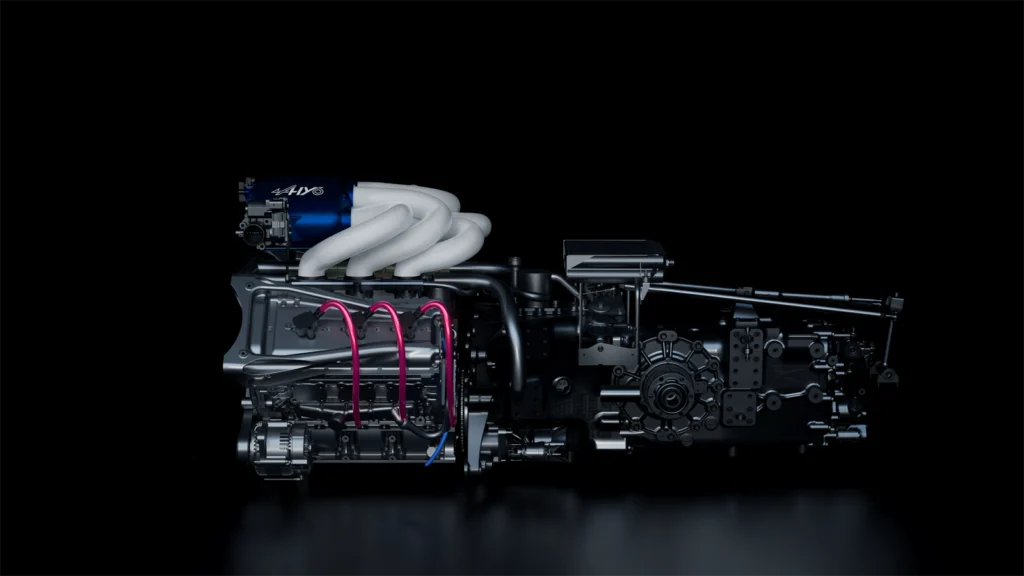
For 2025, it’s evolved into the Alpenglow Hy6 – with a six-cylinder hydrogen combustion engine under its carbon skin and a proper working drivetrain. A fully fledged, fully driveable prototype.
According to Villain, the car hit 306km/h (190mph) during demo laps at Le Mans this week.
Race track first, road cars later?
Alpine’s priority, at least for now, is motorsport. Villain says the brand sees hydrogen ICE as a compelling way to keep the emotion of racing alive – “You keep the sustainability of the performance, you keep the sound, and you have zero emissions.”
That sentiment is echoed by the ACO, organisers of Le Mans, who are working to introduce a dedicated hydrogen class in the coming years.
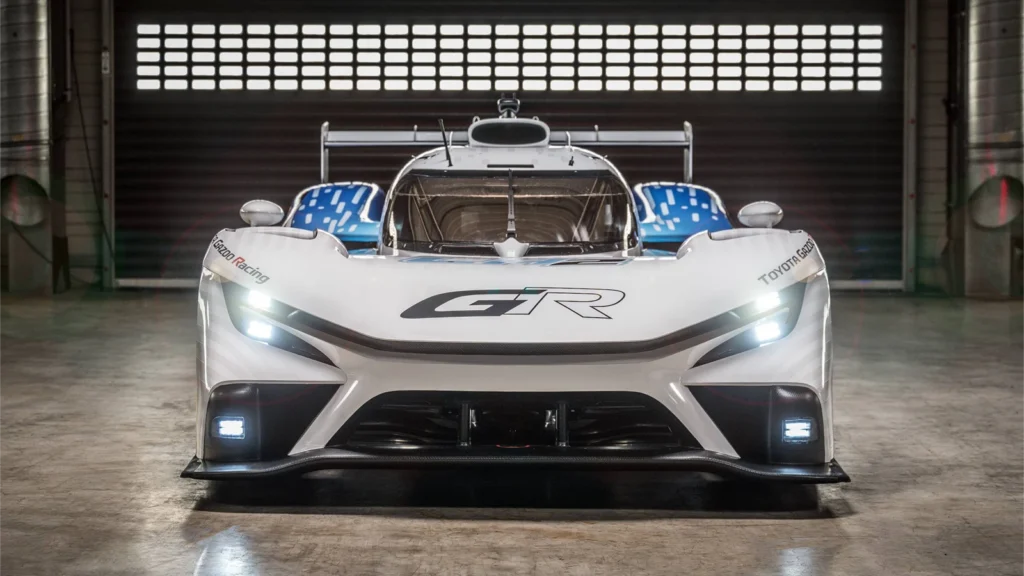
Toyota’s hydrogen-fuelled GR LH2 Racing Concept, also unveiled at Le Mans, points to a growing field of interest in hydrogen combustion as a way of decarbonising motorsport without losing the sensory thrill of traditional engines.
But taking the same concept to the road isn’t as straightforward. Villain noted the challenges of storing (cryogenic) hydrogen in everyday vehicles – “The tanks take a lot of space in the car,” he said. “You need 150 litres of hydrogen [to do] the equivalent of 50 litres of gasoline.”
That’s a valid point – at least for cryogenic hydrogen, which is stored at -253°C in bulky insulated tanks.
There’s also the regulatory piece. Liquid hydrogen cars can’t be sold to the public unless governments actively allow it, and as things stand, the approval frameworks are lagging behind.
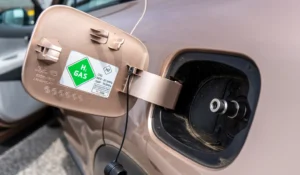
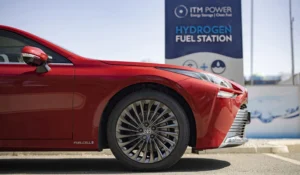
But for context, all current production hydrogen vehicles (like the Toyota Mirai or Hyundai NEXO) use 700-bar compressed gas hydrogen, not liquid.
EVs still dominate Alpine’s roadmap – for now
Alpine still plans to go all-electric as a brand, save for its recently confirmed hybrid supercar. But its hydrogen combustion programme shows there’s a willingness to keep options open – particularly if rules, refuelling and tech catch up.
“That’s why there’s a programme,” said Villain. “We need time to develop these technologies.”
Whether the Alpenglow eventually morphs into a production car is anyone’s guess. But it’s interesting that Alpine sees hydrogen ICE as more than a publicity stunt – and if the infrastructure catches up, as it is doing, the road might not be out of the question.