Global hydrogen car market forecast to grow sevenfold by 2034
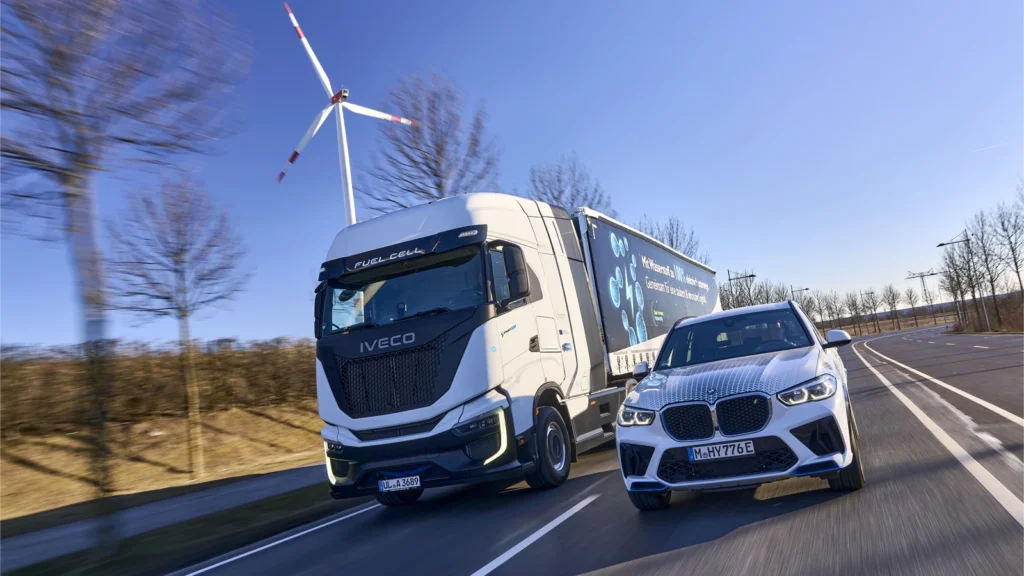
Hydrogen cars aren’t dead. In fact, the global market for fuel cell electric vehicles (FCEVs) is expected to grow from $2.55 billion in 2024 to $17.73 billion by 2034, according to new data from Towards Automotive.
That’s a compound annual growth rate of 21.4% over the next decade – a steep climb, though from a low base.
It’s a market still facing challenges, but the direction of travel is positive.
Stricter emissions rules, public funding, and growing industrial appetite are helping to push hydrogen mobility up the agenda – especially where battery electric vehicles (BEVs) hit limitations.
Infrastructure spend and new partnerships
The report highlights a wave of infrastructure investment aimed at unlocking adoption. Among the most prominent is California’s $115 million plan to build 111 new hydrogen refuelling stations by 2027, adding to the state’s existing network.
Private players are also moving, with GreenCore and Loop Energy working together to roll out hydrogen refuelling solutions, and other firms are collaborating to address bottlenecks around accessibility and reliability.
FIND YOUR NEAREST HYDROGEN FILLING STATION: US & CANADA MAP • EUROPE MAP
High costs still a sticking point
According to the report, cost remains the biggest hurdle – both for the vehicles and the fuelling infrastructure.
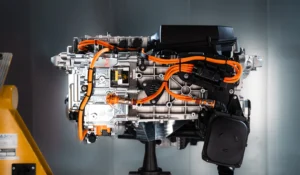
Fuel cell stacks rely on scarce and expensive materials like platinum and iridium, which continue to drive up system costs.
That, combined with a relatively small supplier base and limited production scale, means hydrogen cars still carry a premium.
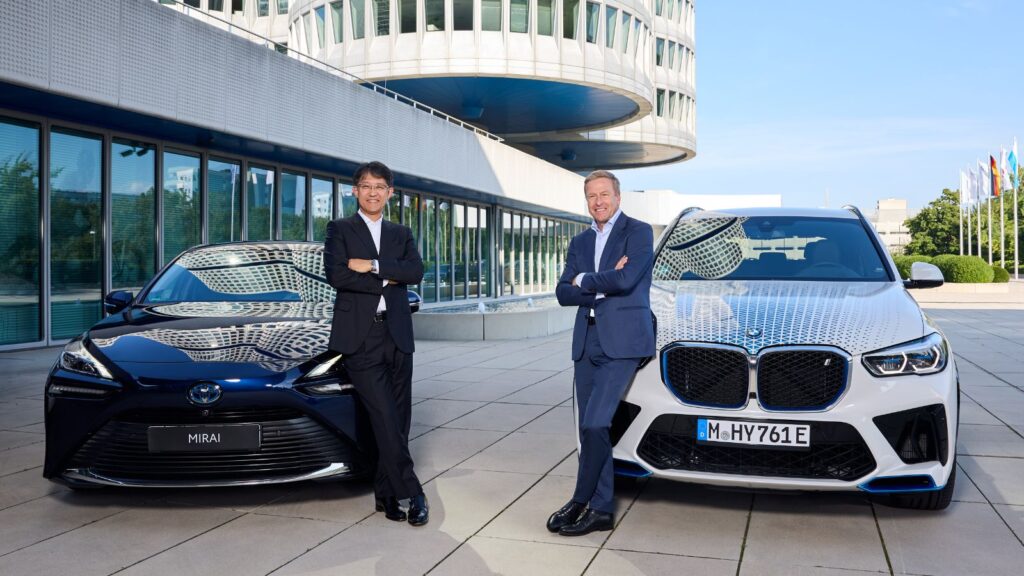
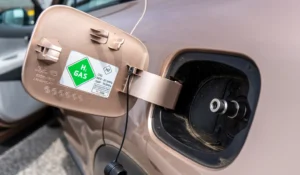
The infrastructure gap is another drag. Limited station coverage – especially outside of South Korea, Japan, and parts of the US – continues to deter private buyers and fleet operators alike.
But production costs are slowly falling, helped by ongoing R&D and progress in manufacturing.
As more automakers start producing fuel cell drivetrains at scale, the report suggests costs will continue to ease.
Asia-Pacific leading the way
The Asia-Pacific region is expected to see the fastest growth, with China, Japan, and South Korea singled out in the report for long-term government backing and clear industrial strategy.
China’s 2020 roadmap for hydrogen transport included incentives tied to local production targets and vehicle deployment, while Japan continues to push hydrogen as a cornerstone of its energy transition.
If there was a nationwide refuelling network, would you buy a hydrogen car?
The Honda-GM joint venture developing a new hydrogen fuel cell system is cited as one example of cross-border collaboration in the region.
Use cases extend well beyond cars
While most headlines focus on passenger cars, the report makes clear that the FCEV market is now much broader.
It includes buses, heavy-duty trucks, forklifts, container handlers, agricultural equipment, and even e-bikes – sectors where uptime, payload, or duty cycles can outweigh battery limitations.
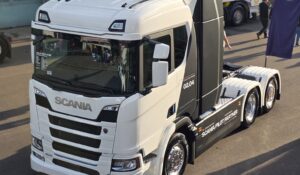
In particular, the report highlights Class 8 long-haul trucks and industrial vehicles as key growth areas, where hydrogen’s fast refuelling and longer range offer a real operational advantage.

COVID-19 slowed the sector – but didn’t stop it
The report briefly touches on the impact of the COVID-19 pandemic, which disrupted supply chains and hit vehicle demand globally.
Still, the FCEV sector proved relatively resilient, supported by government stimulus packages and renewed focus on building back cleaner.
Which companies are working on hydrogen?
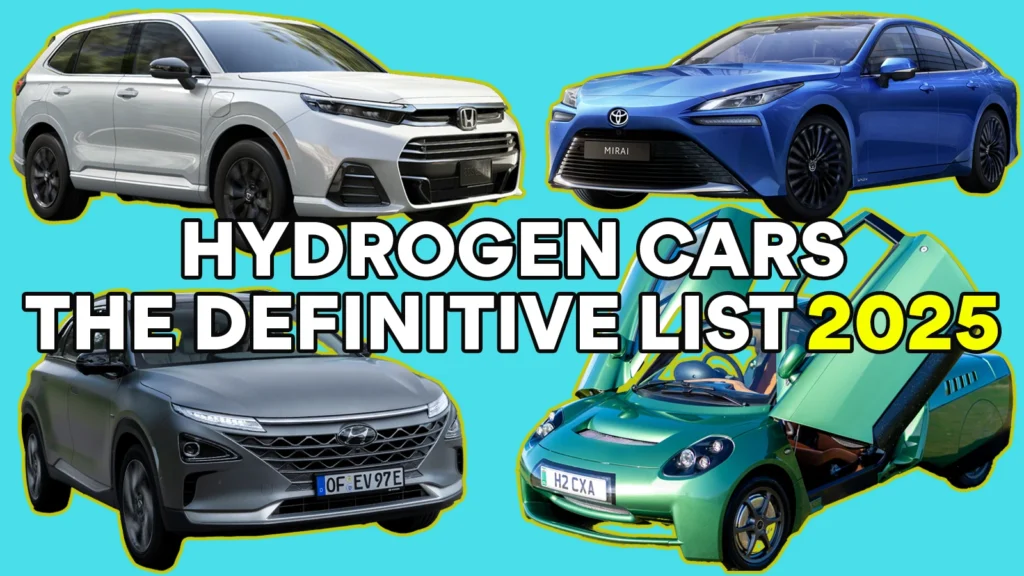
A number of major players are named as key drivers in the report, including Toyota, Hyundai, Honda, Ballard Power Systems, Plug Power, Audi, Dana, Hydrogenics, and US Hybrid.
Between them, they represent a mix of automakers, stack developers, and system integrators – all vying for position as the sector scales up.