European Parliament clears path for low carbon hydrogen
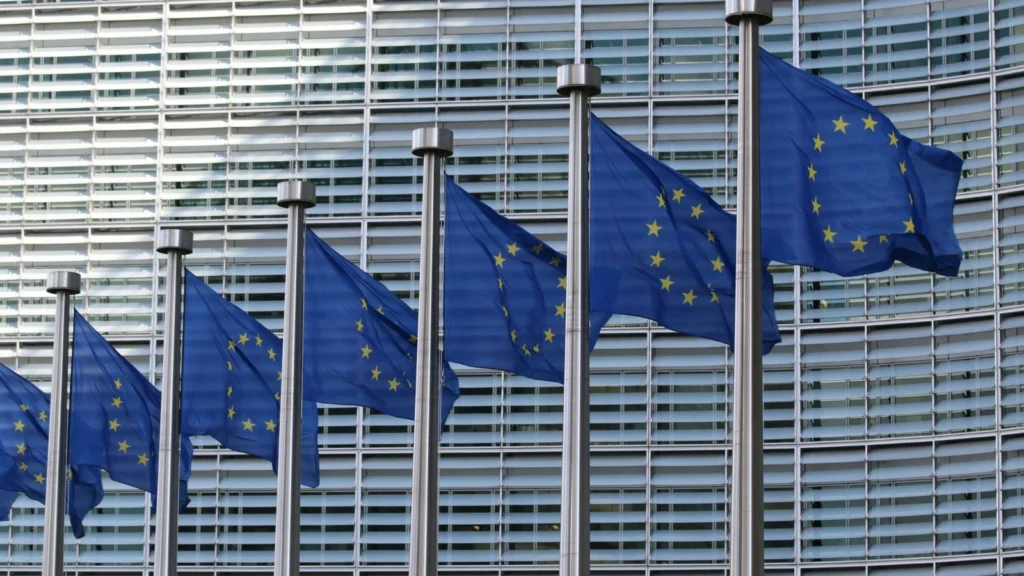
The European Parliament has voted to pass the European Commission’s proposed rules for low carbon hydrogen, which shares long-awaited definitions and assures on grandfathering existing projects.
The Delegated Act (DA), which follows the EU’s July announcement of €600 million in Hydrogen Bank Funds being available to low-carbon electrolytic hydrogen, is set to become law unless blocked by Council before 8 November.
What’s in the Delegated Act?
The Delegated Act passed the Parliament Plenary on 23 October, and includes assurances of grandfathering provisions. This means that low carbon hydrogen projects making Final Investment Decisions (FIDs) will be protected from future regulatory tightening.
The Act lays out a methodology for assessing greenhouse gas emissions savings from low carbon hydrogen production pathways. These include, but are not limited to, methane pyrolysis, methane reforming with carbon capture, and non-renewable powered electrolysis. The new methodology laid out in the Act also integrates nuclear and non-renewable Power Purchase Agreements PPAs in hydrogen production.
The approval of the Delegated Act is a major development for Europe’s hydrogen sector, which has so far prioritised green hydrogen, and left low carbon hydrogen unable to qualify for certain funding and support.
How will low carbon hydrogen be defined?
The new DA provides a long-awaited definition of low carbon hydrogen: it must reduce lifecycle greenhouse gas emissions by at least 70% compared to fossil fuels to qualify.
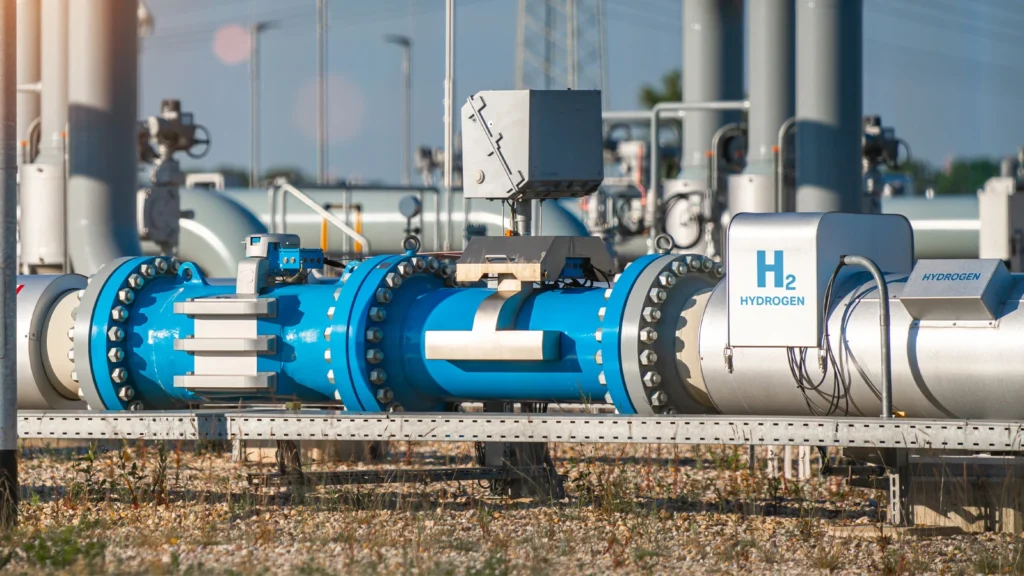
This definition will apply to hydrogen produced through methane pyrolysis (using heat to break down methane into hydrogen), steam methane reforming with carbon capture and storage, or non-renewable powered electrolysis.
What’s the response been?
Hydrogen Europe celebrated the move as a sign that the Commission is “balancing climate integrity with industrial competitiveness.” The lobby group also described the act as “formalis[ing] the assurances” provided to developers, in reference to assurances on grandfathering provisions.
“Hydrogen must be seen as both an energy vector and a chemical raw material,” said H2DER Vice President Murat Asci. H2DER is the Turkish Green Hydrogen Producers Association, and works to promote the use of green hydrogen in industry supply chains.
What’s next?
The Delegated Act has until 8 November to face blockage by the European Council – after that, it will be passed into law.
Energy Commissioner Dan Jørgensen has suggested that further developments on integrating low carbon energy methods are in play. Jørgensen confirmed that a new methodology to improve the integration of nuclear and other low-carbon electricity will be ready for late 2026.