UK at risk of missing hydrogen truck boom, APC warns
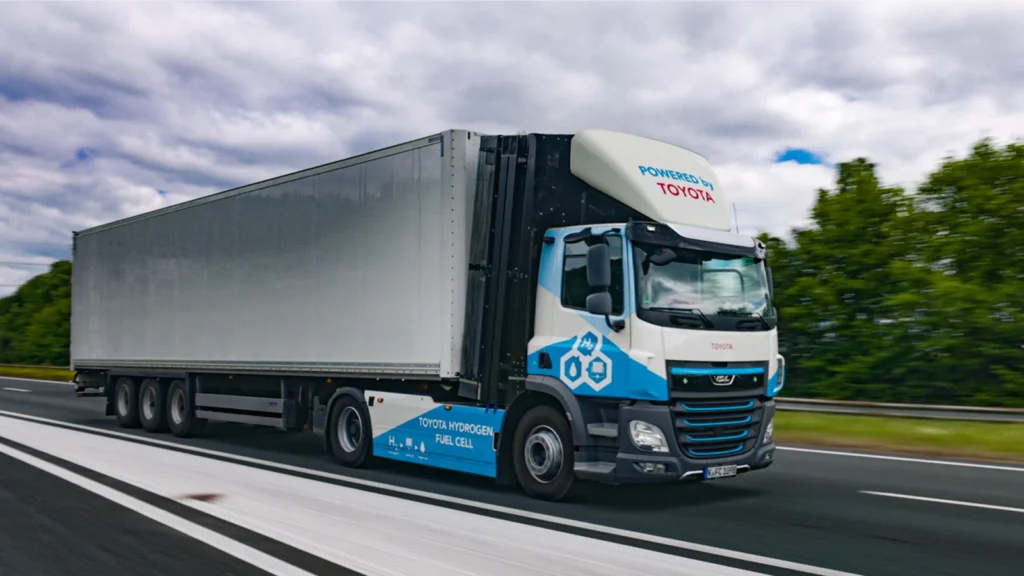
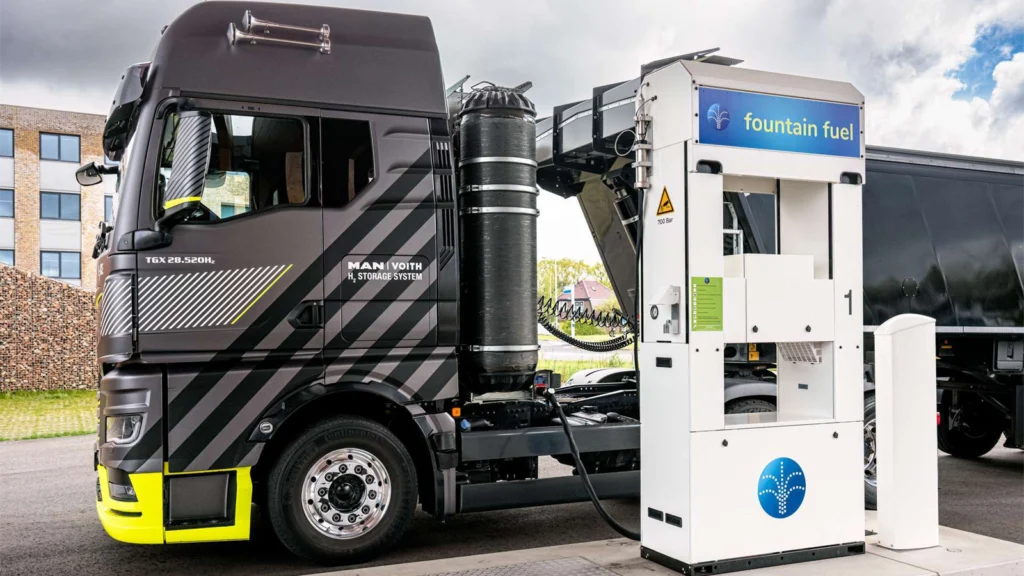
Britain risks losing ground in the race to decarbonise heavy-duty transport as Europe accelerates towards 100,000 hydrogen truck sales a year by mid-century, according to the Advanced Propulsion Centre UK (APC).
The new report, Hydrogen Fuel Cell System and Storage Innovation Opportunities, says hydrogen fuel cell trucks could reach total cost of ownership (TCO) parity with diesel in the 2030s – but only if sales continue to grow at pace. Without a major scale-up in domestic investment, the UK may fail to capture its share of the opportunity.
Dr Hadi Moztarzadeh, APC’s Head of Technology Trends, said: “Fuel cell-based truck sales are on track, but the UK risks falling behind the curve if we don’t scale up. The UK has existing expertise, funding mechanisms, and the capability to play a leading role in this sector.”
What does the report say?
The report highlights four areas of innovation:
- Fuel cell stack developments (membranes and catalysts)
- Fuel cell balance-of-plant (BoP) (supporting systems such as thermal management and fluid handling)
- Storage and structural integration
- Thermal and pressure regulation for storage
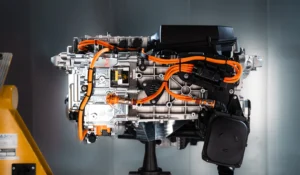
Balance-of-plant refers to the supporting components that make a fuel cell system operational, beyond the stack itself.
Fuel cell stack and BoP innovations
The report identifies five major challenges: cutting system cost, raising power density and efficiency, improving durability, optimising fuel cells, and reducing life cycle impacts.
To address them, it points to advancing catalyst innovation, moving membrane development beyond academia, and developing service-based BoP solutions as essential opportunities over the next decade.
Storage and regulation
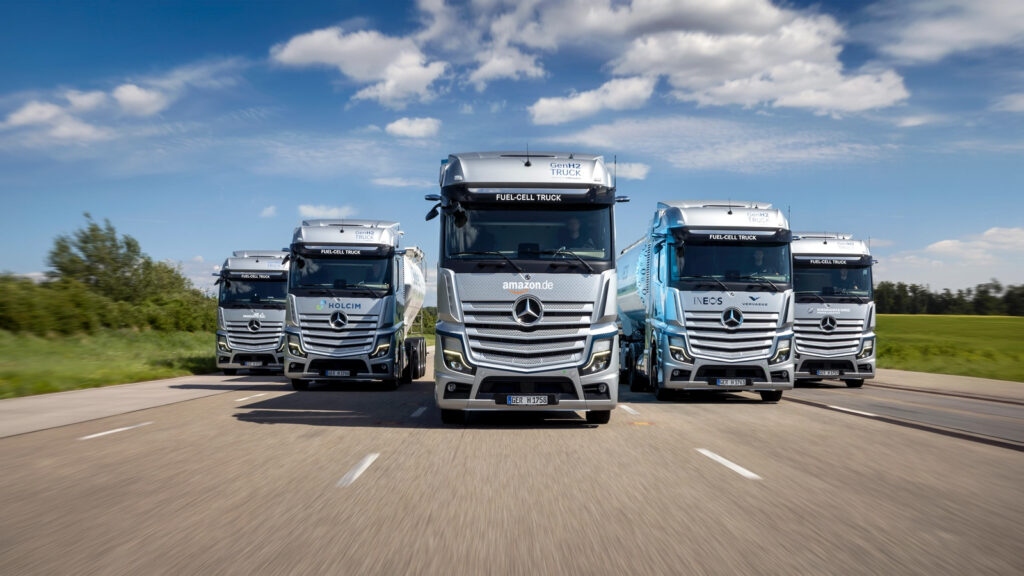
In terms of hydrogen storage, the APC highlights four areas that could help the UK compete internationally:
- Targeted support for carbon fibre products
- Closing the UK expertise gap in BoP systems
- Pulling in knowledge from adjacent sectors such as aerospace
- Focusing on grid-scale storage alongside mobility
What is the Advanced Propulsion Centre?
The APC is a joint government-industry programme set up in 2013 to accelerate the decarbonisation of propulsion technologies.
Alongside publishing regular reports, it funds projects ranging from new ceramic coatings for EVs to 200kW+ hydrogen fuel systems. Since launch, it has channelled support into more than 350 low-carbon projects involving over 600 partners.
What does the APC recommend?
The report makes three priority recommendations each for hydrogen fuel cell and hydrogen storage innovation.
For fuel cells:
- BoP systems are “critical to most major improvement challenges”, and offer an easier entry point given overlap with BEV technology.
- Power management remains a UK strength, but thermal management needs more attention.
- System-level efficiency is vital – reducing size, weight and complexity to raise overall power density.
For storage:
- Integrated BoP solutions for tank pressure regulation.
- Improving thermal performance to cut degradation and extend lifetimes.
- Developing recycling processes for hydrogen tanks, capitalising on the UK’s existing expertise in material recovery.
The APC’s warning is clear – with European demand for hydrogen trucks set to soar, the UK must invest now or risk being left in the slipstream.