Global hydrogen car sales down 27% in first half of 2025
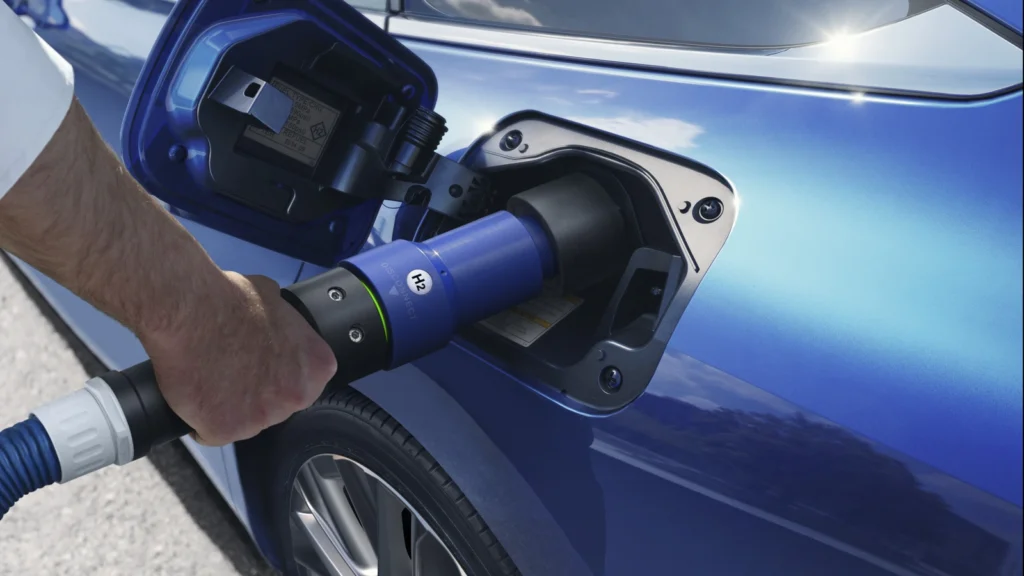
The global fuel cell electric vehicle (FCEV) market shrank by more than a quarter in the first half of 2025, with total sales falling to 4,102 units – down from 5,635 in the same period last year, according to the latest figures from SNE Research.
The data shows a sharp reversal from the market’s long-term growth trend. Between 2018 and 2024, FCEV sales grew at a compound annual rate of 14.4%, peaking at 20,704 units in 2022. Since then, volumes have slid each year.
Hyundai still on top, but falling fast
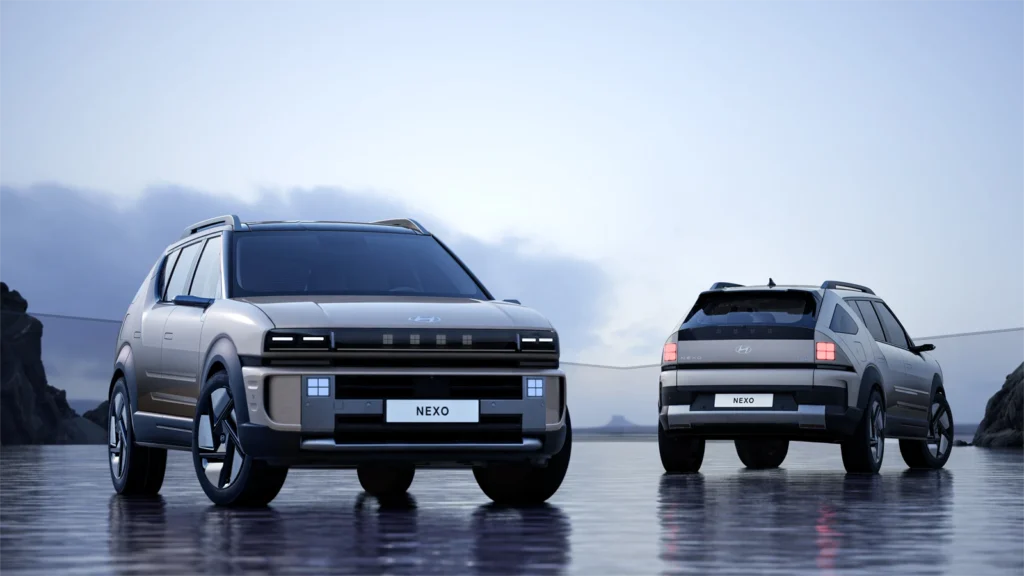
Hyundai Motor Group retained its position as the world’s leading FCEV maker, selling 1,252 vehicles – mostly NEXO SUVs – from January to June. That’s a 31.9% drop year-on-year, despite launching the second-generation NEXO in April.
The new model came as a surprise to many outside the immediate hydrogen car sphere, and in such a niche market it’s unlikely to have triggered the sort of widespread buyer pause you might see in mainstream segments.
Even so, with deliveries so far limited to a handful of markets, it’s too early for it to make any meaningful impact on global sales figures.
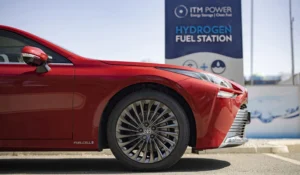
Toyota posted the steepest decline among major OEMs, with sales of the Mirai and Crown FCEV models down 46.1% to 698 units.
In the US, that decline has been amplified by California’s hydrogen station troubles – a mix of closures, outages and alleged equipment faults – which have left some owners unable to refuel.
A class-action lawsuit filed in California accuses Toyota of selling cars without adequate fuelling access, an issue that has gained media traction and could be cooling potential customers’ confidence.
Honda entered the market with its new CR-V e:FCEV – the first plug-in FCEV SUV, combining a hydrogen fuel cell with a 17.7 kWh battery, sold exclusively in California.
The US EPA rates it at 435 km of range from a 4.3 kg hydrogen tank, with the option to recharge from the grid. Honda sold 112 units in the first half of 2025 – its first contribution to the passenger FCEV tally.

The standout in market share terms is China’s commercial vehicle sector. Chinese manufacturers sold 2,040 heavy-duty hydrogen trucks and buses so far this year – a smaller fall of 18.4% – to take almost half the global FCEV market.
Their focus on freight and municipal fleets means sales are less exposed to the sort of consumer hesitancy seen in the passenger segment.
China now the largest FCEV market
By country, China accounted for 49.7% of global sales in the first half of 2025, reflecting its focus on commercial hydrogen fleets. Korea followed with 29.7% – down from 30.9% a year ago – as NEXO sales fell.
Europe’s 485-unit total showed a 19.8% drop, while Japan’s volumes halved to 216 units. The US market was down 59% to 132 units, with California’s refuelling network issues again a likely factor.
Strategies diverging – and possible background factors
The figures highlight the different approaches OEMs are taking in a small but strategically important market.
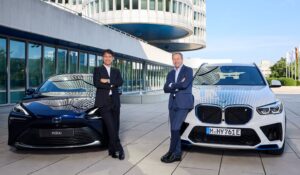
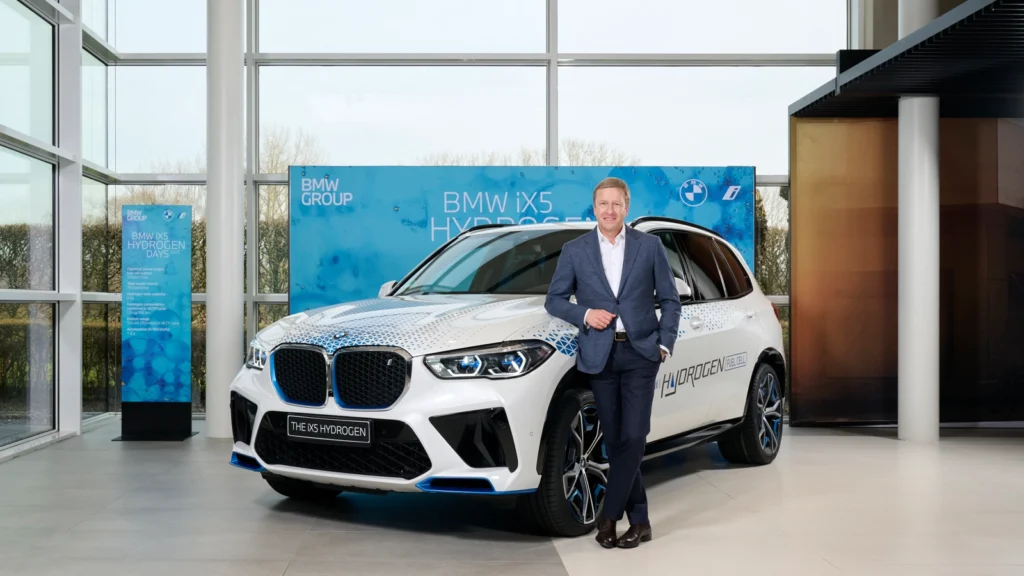
BMW is continuing limited fleet trials of its iX5 Hydrogen prototypes as a technology demonstrator for a future production model in the premium SUV segment.
Hyundai is balancing passenger and commercial vehicles, while Chinese manufacturers are pushing hard into long-haul freight.
Japanese brands are placing more emphasis on technology exports and infrastructure partnerships, while Stellantis has stepped away from hydrogen vehicles entirely.
The slowdown may also reflect a set of background factors that don’t show in the raw sales data.
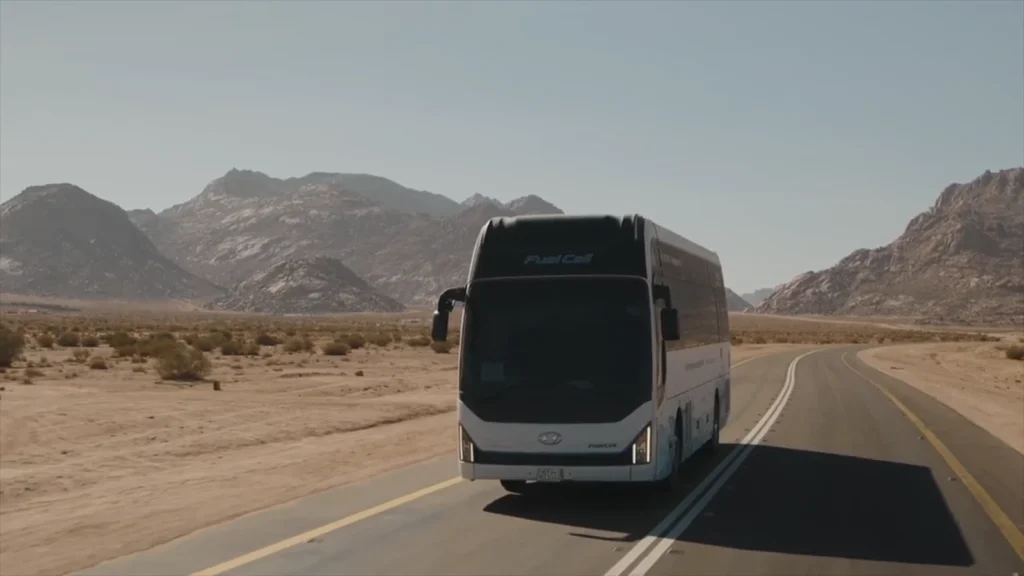
In the case of Hyundai, the second-generation NEXO is only in the very early stages of rollout and hasn’t yet reached most global markets.
In the US, particularly California, patchy and ageing hydrogen station reliability – and the resulting legal disputes – may be influencing potential customers’ confidence.
These are not the sole drivers of the numbers, but they could be contributing to the picture alongside the structural challenges the market already faces.
SNE Research notes that future growth will depend heavily on the pace of hydrogen station deployment, the reliability of those stations once built, and the long-term policy commitments of national governments.