From classroom to championship: how the H2GP Foundation puts hydrogen in young hands
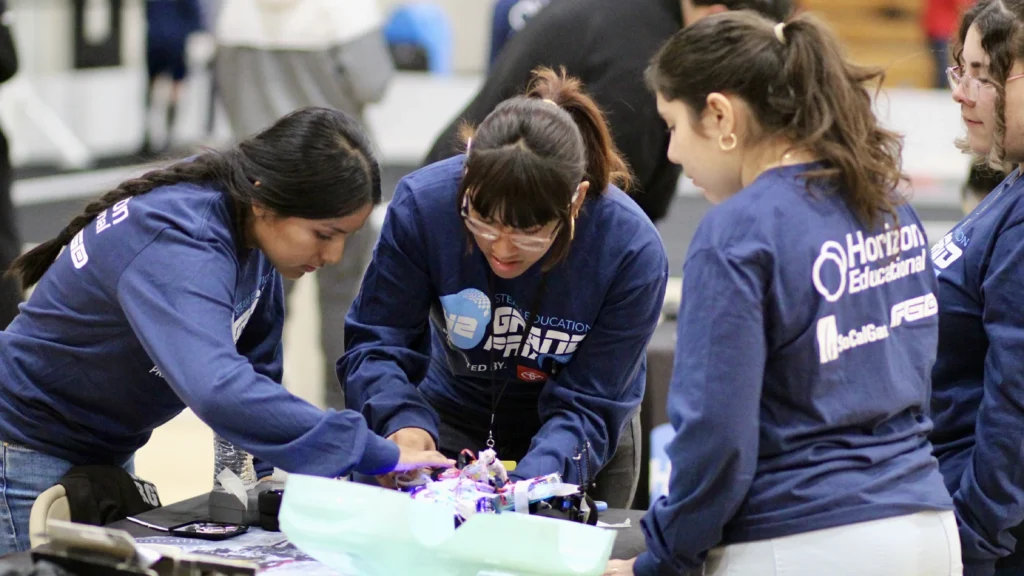
Designing, building, and racing a hydrogen car isn’t just for professional engineers – thousands of school and university students around the world are doing it already.
The H2GP Foundation is a non-profit organisation teaching sustainable engineering through hands-on projects.
Its programmes guide students from the basics of hydrogen fuel cells to competing in the annual H2GP World Finals – a week-long endurance contest for 1:10 scale, remote-controlled hydrogen cars.
This year’s finals will run in Chemnitz, Germany, from 20-27 August, with 21 countries represented. Qualifiers and regional heats have already played out across five continents.
Ahead of the event, Driving Hydrogen’s Lyra Coulthard spoke to H2GP’s Executive Director, Nicola Weiss, about the foundation’s mission, the hydrogen tech in the classroom, and why the livestream is worth tuning in for.
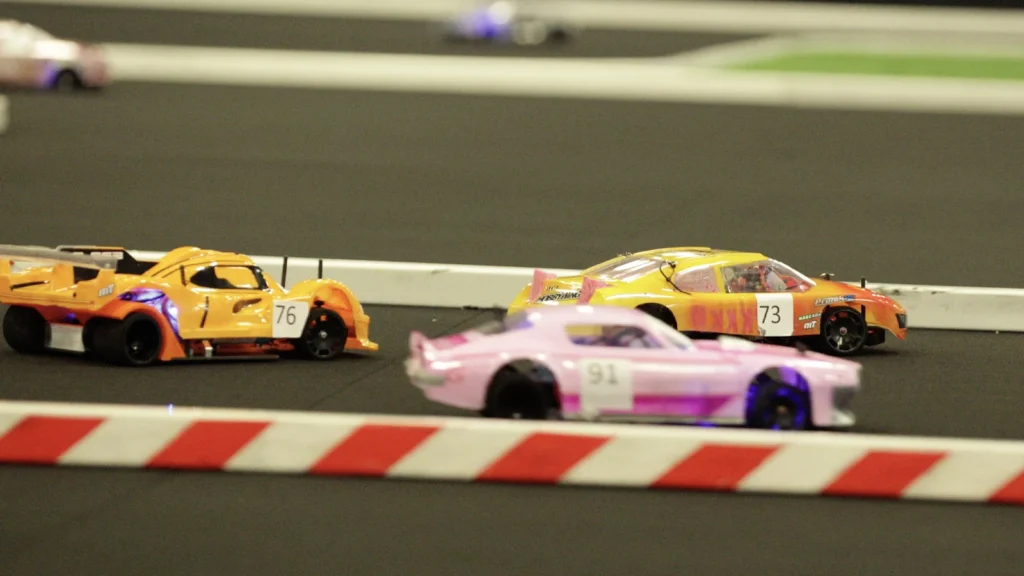
“The students learn how to collaborate, how to innovate, and how to think outside the box, so when they enter the workforce, they are already familiar with those STEM creative practices,” said Weiss.
“The programme also allows us to introduce renewable energy early, particularly hydrogen and fuel cells. The educational pathway is very accessible; any teacher can implement it without an engineering background. I call it a Lego kit curriculum because it just plugs in.”
Three routes into hydrogen
H2GP runs three main pathways – Explorer, Sprint, and Pro – each aimed at different age groups and experience levels.
Explorer – “Explorer is for our youngest age group, usually fourth–fifth year,” says Weiss. “It’s a short, hands-on programme with durable little cars and a small reversible fuel cell. They split distilled water into hydrogen and oxygen, then use a syringe to power the car’s motor.”
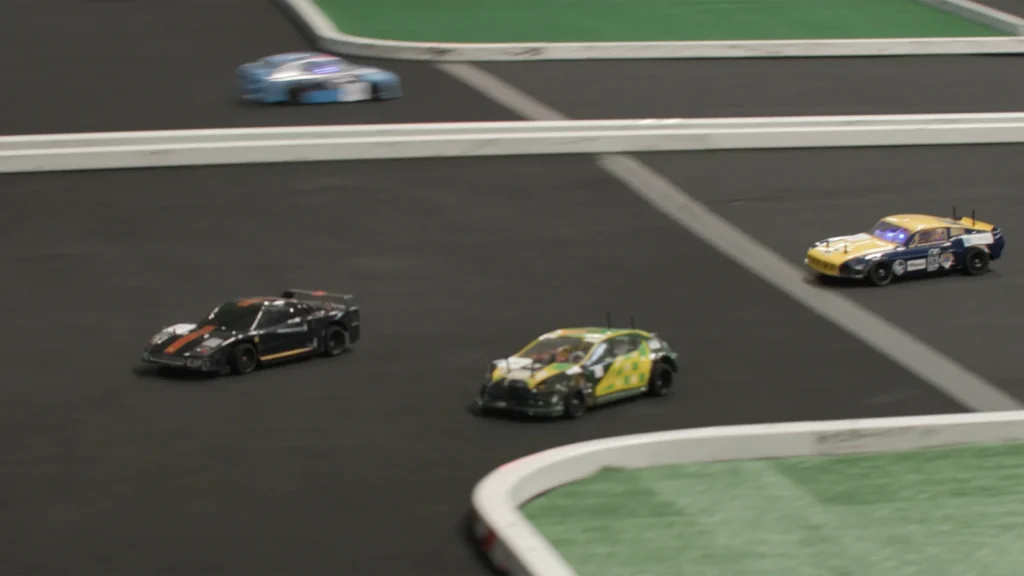
Sprint – This introduces competition without travel. “Each car has an RFID sticker so race results can be uploaded to our global leaderboard. The 10-metre track is backed by about 60 hours of curriculum alongside the build process.”
Pro – Designed for year six through to university, with 180 hours of curriculum per year over two to four years. “Pro runs in four categories – stock, modified, hybrid, and prototype – which differ mainly in how much you can modify the car. Stock uses the components straight out of the box, while hybrid offers more freedom within battery power and weight limits.”
Hydrogen in the classroom
A central feature of H2GP is demonstrating electrolysis first-hand. “Students use distilled water and a desktop electrolyser to produce hydrogen, then fill the hydrostiks,” Weiss explains.
Supplied by Horizon Education, hydrostiks store hydrogen in a metal hydride rather than compressing it as a gas. Fully charged cartridges hold an internal pressure of 435 psi at 20-25°C, weigh about 0.9 g more, and release hydrogen as the alloy gives up heat.
More than a race
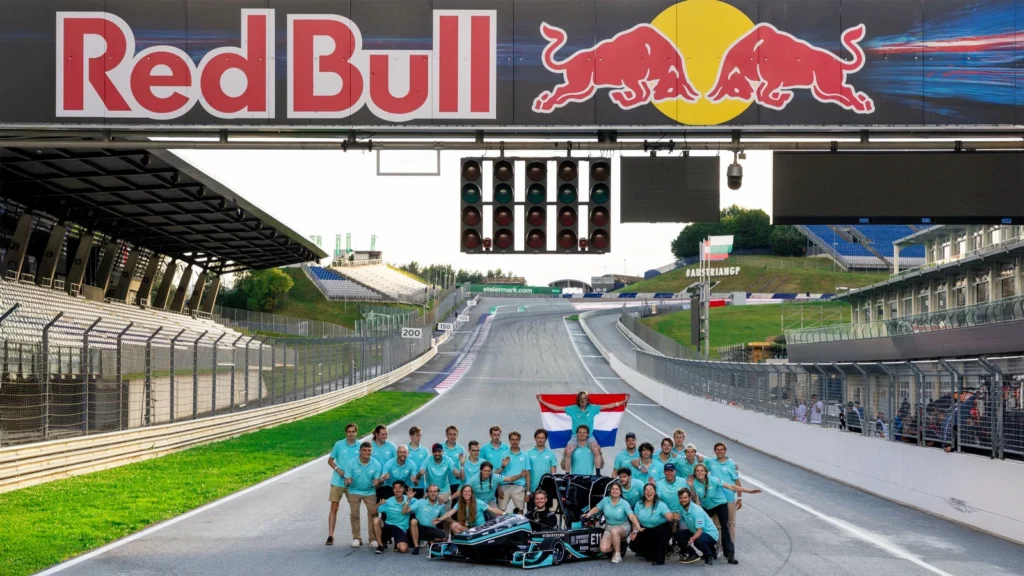
As well as racing, the finals week includes educational excursions and a cultural exchange barbecue pairing teams from different nations.
Weiss says the livestream is worth watching: “Be amazed by what these young, brilliant minds have accomplished.
“What you will be watching is the culmination of hours of work, dedication, and collaboration.”