Greece opens its first hydrogen refuelling station
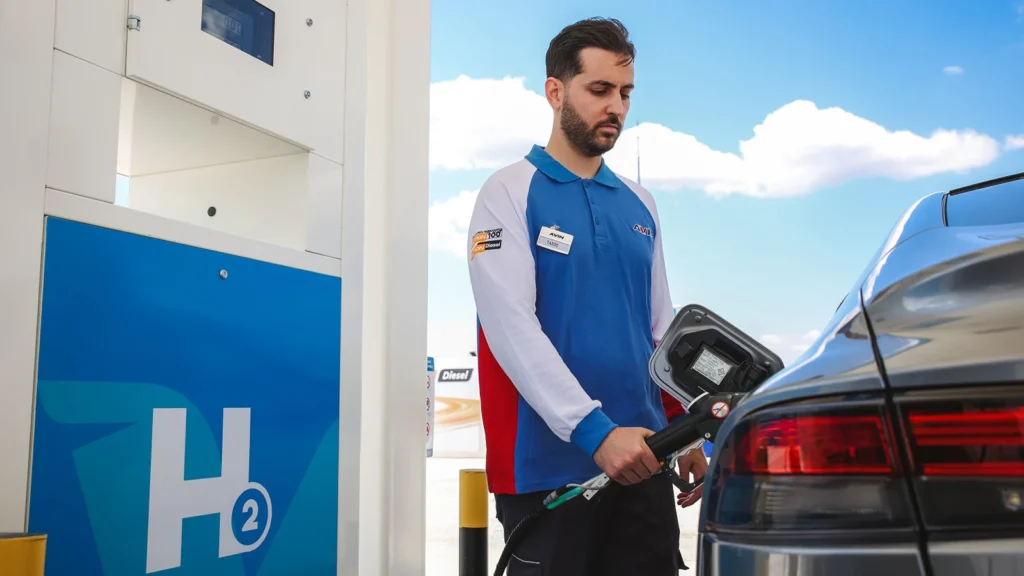
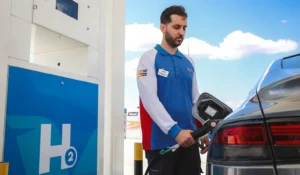
Hydrogen mobility has officially landed in Greece, as AVIN opens the country’s first public hydrogen station in Agioi Theodoroi.
Backed by Motor Oil Group – Greece’s largest oil producer – and co-funded by the EU’s Connecting Europe Facility, the €3 million site is the first commercial hydrogen refuelling station in the country, and one of the first in Southeastern Europe, in fact.
The company says it supports both cars and trucks, uses imported green hydrogen, and lays the groundwork for a broader domestic rollout.
Built now, with infrastructure to follow
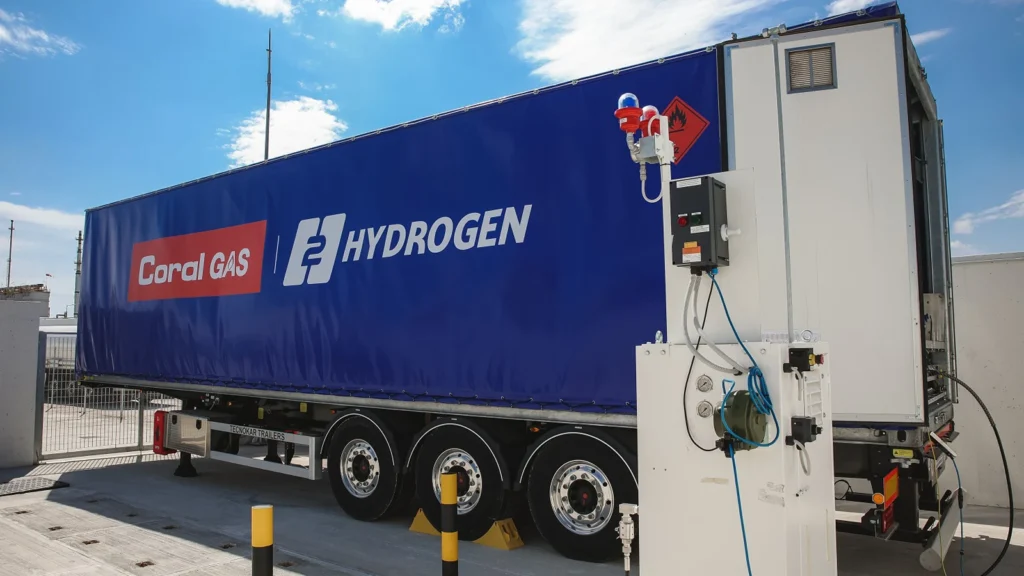
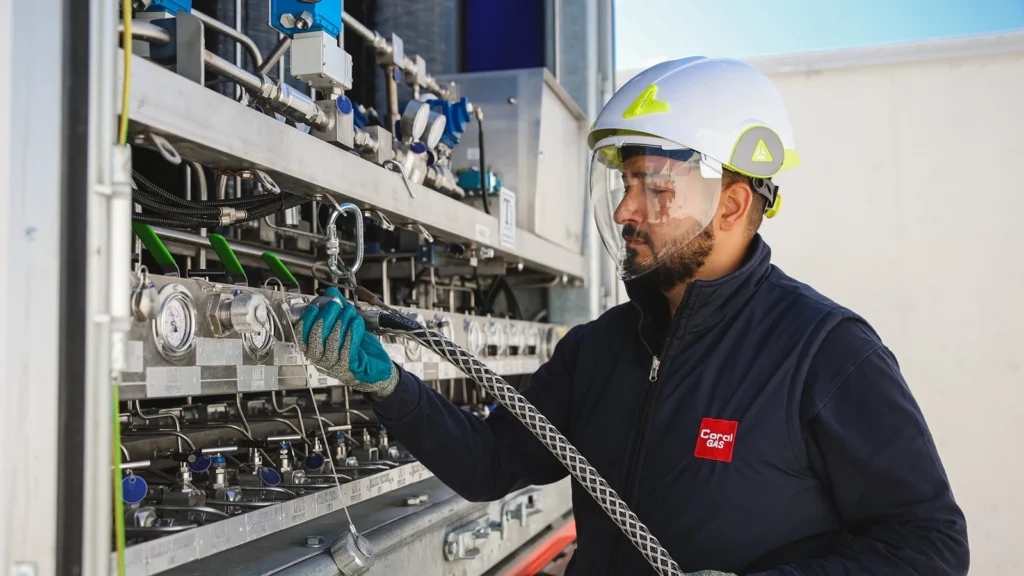
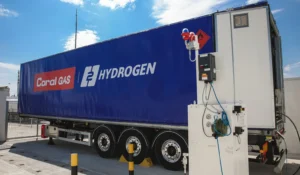
Coral Gas, a Motor Oil subsidiary, handled the sourcing and delivery of hydrogen for the station.
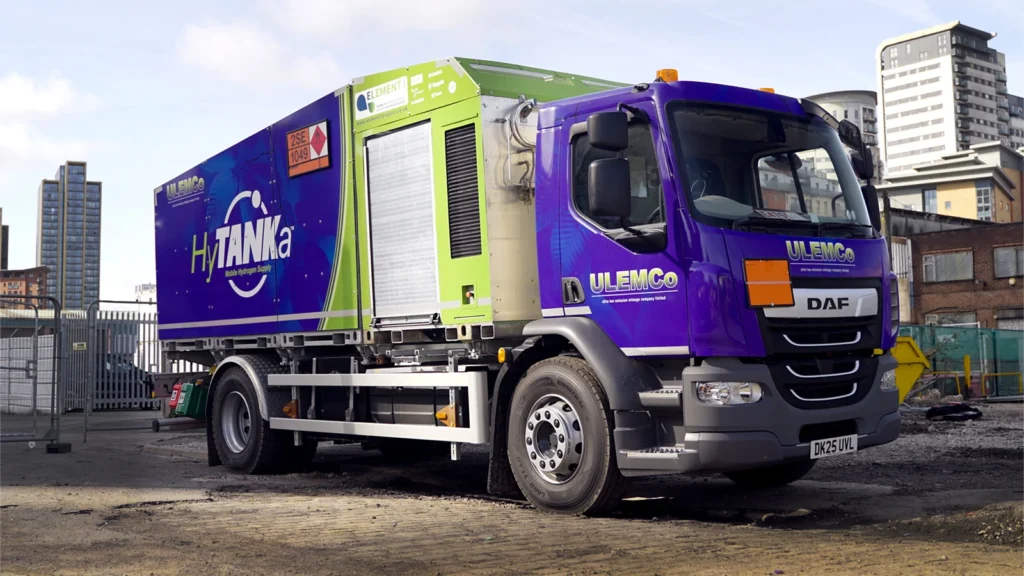
The carbon-free fuel is currently imported from Austria’s Wien Energie, and brought in by road trailer.
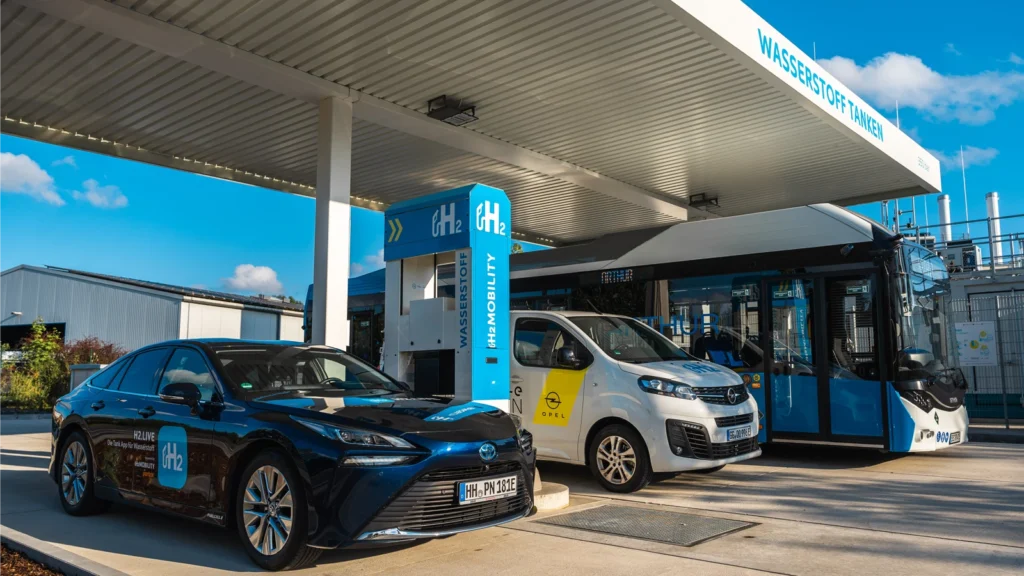
The company said hydrogen is stored on-site and dispensed using high-capacity equipment capable of refuelling both light-duty vehicles and heavy trucks.
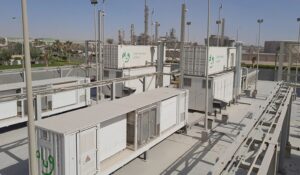
That setup won’t last forever. A 30 MW green hydrogen plant is already under construction at the refinery next door, with operations expected to begin in 2026.
Once it’s running, the plant will supply hydrogen directly to the station and to Motor Oil’s lubricants business, LPC.
The station itself was built by the group’s in-house construction firm, which also oversaw testing and safety approvals.
“Hydrogen is expected to be a key component in the production of zero-carbon fuels,” said Ioannis Raptakis, General Manager of AVIN Oil, Motor Oil’s retail fuel brand. “Today, we are making this opportunity available to the end consumer, opening the way to hydrogen mobility.”
Panagiotis Charitopoulos, General Manager of Coral Gas, added: “Fuels are fully aligned with our company’s DNA, making this a natural path for us to follow.”
Commercial, public, and backed by Europe
Unlike many pilot schemes, the AVIN-branded station is publicly accessible and commercially operated.
Motor Oil said it is the first hydrogen project in Europe to receive co-funding through the EU’s CEF-Transport programme – a funding stream aimed at strategic mobility infrastructure.
The company said hydrogen is currently sold at around €15 per kilogram, which it estimates gives around 100 km of range per kilogram in a typical fuel cell car. Prices are expected to fall as volumes ramp up.
Speaking at the launch, Hydrogen Europe CEO Jorgo Chatzimarkakis said: “Hydrogen is not just a climate solution – it is a chance for robust energy security and innovation. Greece has the potential to lead in shipping, transport, and energy storage.”
Konstantinos Chatzifotis, Director of European Affairs at Motor Oil, described the site as “a symbolically significant milestone in the hydrogen value chain being developed by the Group.”
The regulatory backdrop is beginning to shift, too. Until recently, Greece lacked a clear legal framework for hydrogen stations or vehicle registration, forcing early pilot schemes to rely on foreign-plated cars.
The launch of the Agioi Theodoroi station signals the start of something more permanent. Though it’s starting small, for now.
Just the beginning
The group said two more hydrogen stations are already in the works – one in Akrata, and another at the OSY bus depot in Thriasio, west of Athens. Both are fully funded and moving ahead.
Several early public fleet trials are also underway. Under the EU-backed TRIERES programme, 2-3 hydrogen buses will enter service with operator OSY in Athens. Loutraki municipality and Olympia Odos are also set to pilot two vehicles each.
A wider public procurement is in progress too, with a national tender including plans for up to 50 hydrogen buses out of a total 400.
Motor Oil said the AVIN station and Coral Gas’s hydrogen trailers are just the first pieces of the puzzle.
Domestic production is due to start in 2026, and with more stations on the way, the company hopes to build a joined-up hydrogen network across the country.
And with the pumps now online, Greece has officially joined the European hydrogen map.