Toyota’s frosty hydrogen Corolla returns for Fuji 24-hour showdown
Endurance racing is brutal – engines blow, suspensions snap, and drivers battle exhaustion.
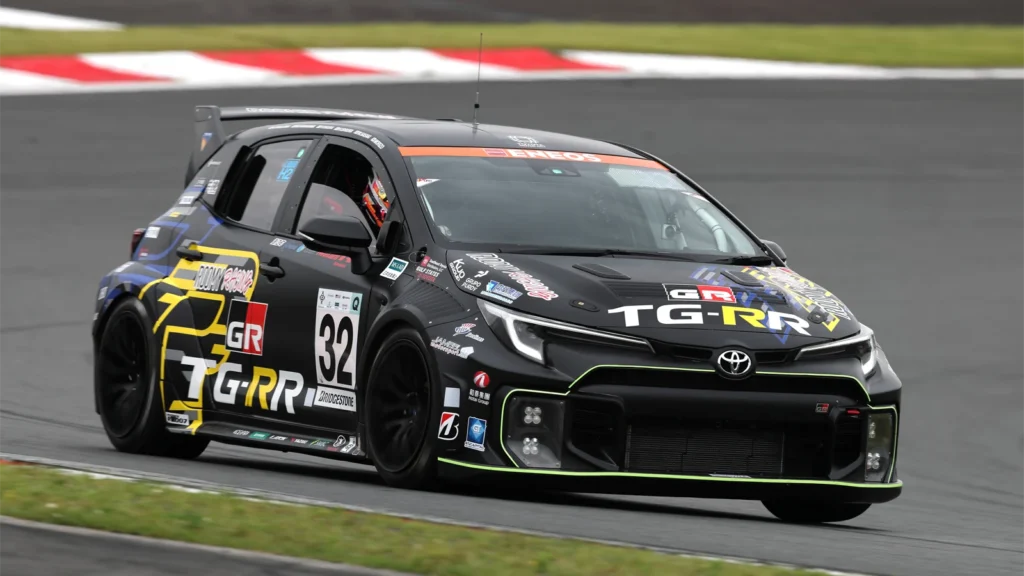
Toyota, at this weekend’s Fuji 24 Hours, was out for more than just mechanical punishment – proving hydrogen’s frosty credentials at the altar of speed.
Last year, Toyota etched its name into motorsport history with the first-ever liquid hydrogen-powered racer – a GR Corolla sipping hydrogen stored at a chilly -253°C.
Completing 30 consecutive laps per refill was impressive – until electrical gremlins sent it limping back to the pits, freezing Toyota’s ambitions in their tracks.
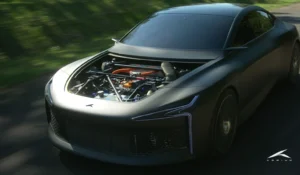
This year, Toyota returns to Fuji Speedway armed with a sharper, slicker GR Corolla H2 Concept, with engineers pouring countless hours into refining the car – fingers crossed – for 24 hours of uninterrupted running.
Frozen fuel meets clever combustion
The icy liquid hydrogen is impressive enough, stored at ludicrously cold temperatures in futuristic oval tanks.
But even cooler is how the Corolla uses it. Toyota’s latest engine can cleverly switch between two combustion modes – stoichiometric combustion for maximum grunt down Fuji’s endless straight, and lean combustion for efficiency when the throttle is eased off.
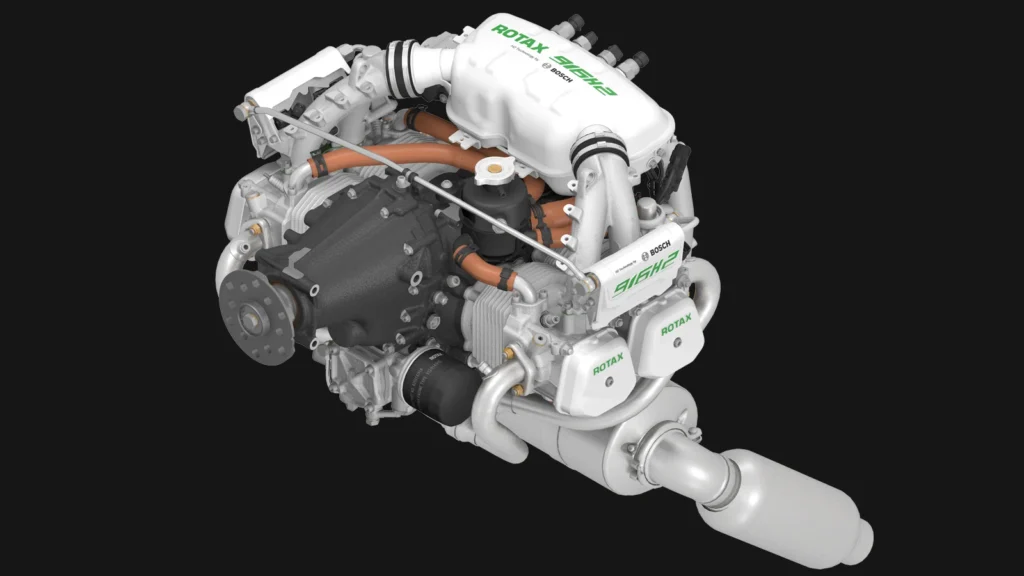
This setup, Toyota says, boosts both power and fuel economy, perhaps hinting at real-world potential that goes far beyond racing.
Quick fills and lighter thrills
Endurance races hinge on how fast your pit crew can change from slicks to inters and how fast you can pump the go-go juice.
This is especially true when pumping super-cold hydrogen. Toyota’s boffins have redesigned the hydrogen filling valve, swapping out the bulky external actuator for an internal piston – meaning hydrogen fill-ups in the Corolla are 30% quicker, and the car is 2 kg lighter.
It doesn’t sound like much, but these could be race-winning margins when every second counts.
Further weight savings have come from swapping traditional copper wiring for lightweight aluminium harnesses.
Last year’s run was plagued by wiring gremlins. This time, laser-sealed terminals keep water out and corrosion at bay – while shaving off another 18% of wiring weight.
Low-carbon teammate hits the track
Alongside the ice-cool hydrogen Corolla is the GR86 Future FR Concept, running on low-carbon E20 gasoline (20% bioethanol). Toyota’s multi-pathway approach clearly isn’t about putting all its eggs in one fuel basket.
The E20 fuel, blended by ENEOS, is part of an ambitious all-Japanese team effort aiming to perfect carbon-neutral fuels beyond motorsport.
As the GR Corolla and GR86 roar around Fuji for 24 relentless hours, Toyota gathers vital data, proving these cutting-edge technologies can realistically power cleaner cars on our roads soon.
Will Toyota’s frozen hydrogen-powered Corolla withstand Fuji’s punishing challenge? The countdown has begun.