France proposes 1.5% renewable hydrogen target for transport
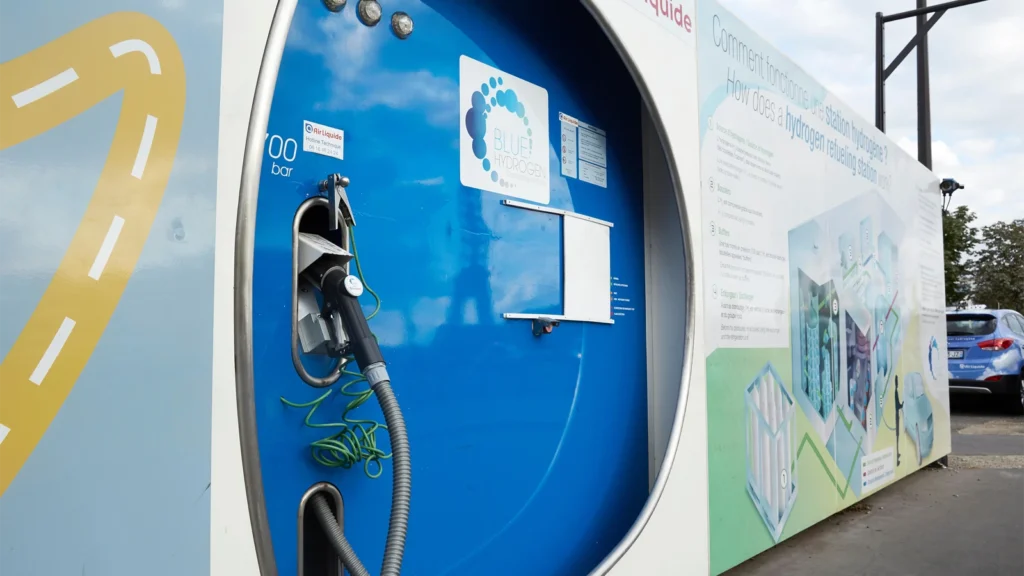
France is consulting on a new hydrogen mandate for the transport sector, proposing a 1.5% target for renewable hydrogen and synthetic fuels by 2030 – backed by significant financial penalties for fuel suppliers that fall short.
The proposal forms part of a wider system called IRICC (Incitation à la Réduction de l’Intensité Carbone des Carburants), which would come into force in 2026 and replace the country’s existing “Tiruert” framework.
It sets rising quotas for the use of renewable fuels of non-biological origin (RFNBOs) – such as green hydrogen or e-fuels – starting at 0.1% in 2026 and rising to 2% by 2035.
The 1.5% target for 2030 goes beyond the EU’s 1% minimum, which equates to just 0.5% in real terms when double-counting rules are applied.
Penalties for missing targets
To enforce the rules, France is proposing a penalty of €80 per gigajoule for any shortfall in RFNBO supply – equivalent to €9.60 per kg of hydrogen based on ‘lower heating value’.

This would be in addition to a separate €700 per tonne of CO₂ fine for suppliers that fail to meet their overall emissions reduction targets – creating a two-part penalty system.
It’s not yet clear whether hydrogen used in refineries will count towards quotas, or whether any correction factor would apply. That’s one of several points now open for stakeholder feedback.
Synthetic fuel quotas for aviation and shipping
The consultation also includes proposed quotas for synthetic fuels in aviation and maritime.
For aviation, targets are set at 1.2% by 2030, 2% by 2032, and 5% by 2035, in line with EU ReFuelEU legislation.
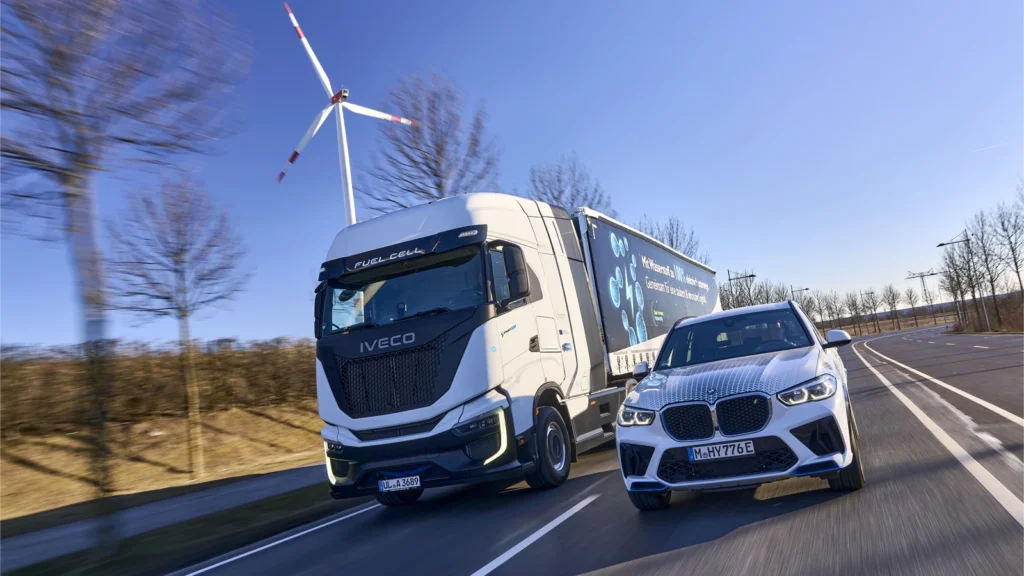
These can be met using fuels made with renewable or nuclear electricity – an important distinction, given France’s extensive nuclear fleet.
For maritime, France is suggesting quotas of 1.2% in 2030 and 2% in 2034, going beyond current EU rules, which don’t yet set binding targets for e-fuels in shipping.
Consultation runs to 10 June
The 1.5% figure is not yet final. The government is also asking whether a lower target of 0.8% might be more appropriate.
A public webinar is scheduled for 20 May, and the consultation is open until 10 June.

The IRICC scheme is expected to allow for some form of credit trading, as with the current Tiruert system, though this hasn’t yet been detailed.
France is one of several EU countries moving ahead with RFNBO implementation plans. Finland is targeting 4% by 2030, while Denmark has taken a more cautious approach – drawing criticism from some in its hydrogen sector.