UK delivers hydrogen by rail for the first time
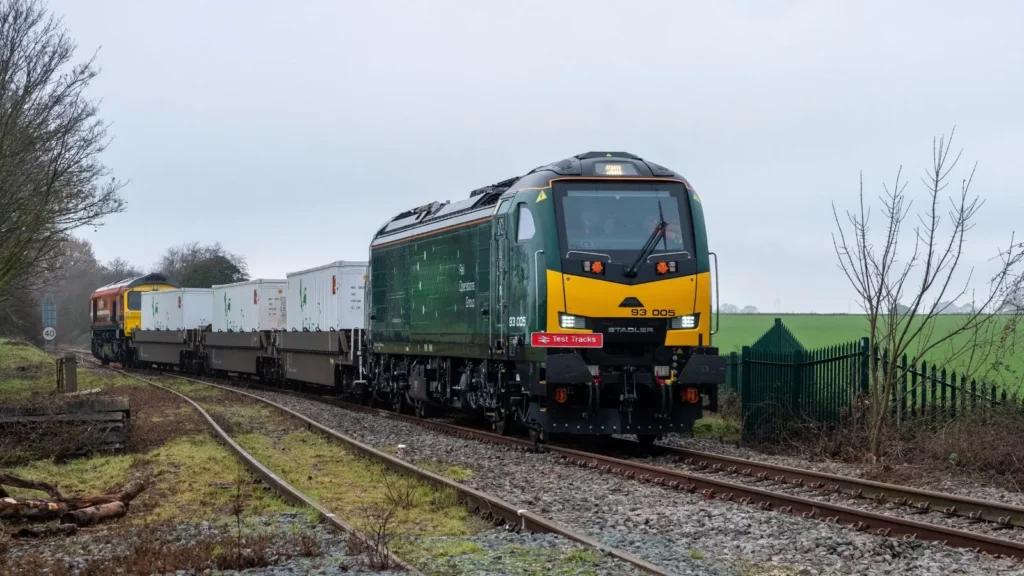
For the first time in UK history, hydrogen has been delivered by rail — a milestone that cements the railway’s potential as a green‑fuel distribution network as much as a transport backbone.
On 3 December 2025, freight operator Freightliner hauled a train carrying hydrogen in containers from Doncaster to High Marnham, arriving via the rail‑testing facilities at Tuxford Test Tracks in Nottinghamshire. The shipment marked the first time hydrogen gas was transported by rail across Britain.
It’s more than a one‑off stunt
This delivery wasn’t just a symbolic event. It formed part of an so-called “innovation day” showcasing how hydrogen — produced at a nearby facility — could be transported via rail, stored, and deployed using existing infrastructure.
At the same event, attendees also saw a hydrogen‑powered, re‑engineered shunting locomotive in action, plus hydrogen‑fuelled generators, lighting towers and support vehicles. The rail and energy sectors are demonstrating that hydrogen doesn’t just belong in tanks or lab experiments. It can run on rails, power operations, and replace diesel wherever electricity alone can’t cut it.
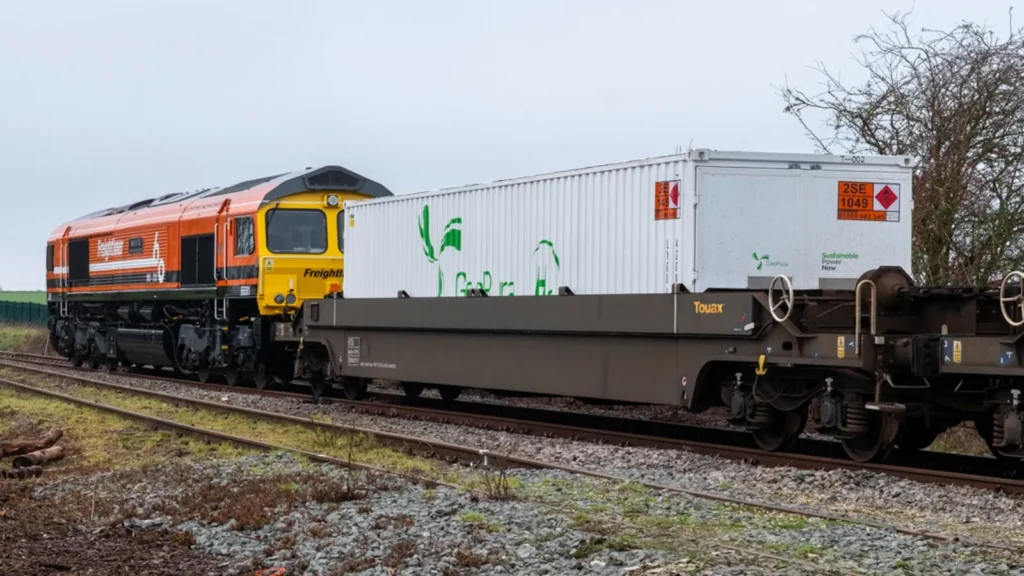
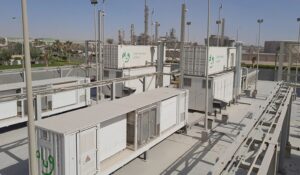
The hydrogen being transported originated from a rail‑connected green hydrogen production plant: HyMarnham Power. Located on the grounds of a former coal power station, this facility has already been supplying hydrogen in a grid‑connected format. The connection to rail marks a powerful new step: combining green‑hydrogen generation with rail‑based logistics.
Industry voices speak up
Leevan Finney, Network Rail’s Engineering Services Director, summed up the ambition:
“Rail is the greenest form of long‑distance transport, and we, as an industry, are working hard to decarbonise transport and achieve net zero. … Today, the railway has the potential to be a strategic hydrogen distribution network in the future.” 
For Freightliner’s side, Dave Penney, Managing Director of Rail Services & Heavy Haul, was proud of the company’s role:
“Freightliner is proud to be the first Freight Operating Company to transport hydrogen on the rail network. … Rail is already the most sustainable choice for long‑distance freight, producing 76% fewer carbon emissions compared to diesel road transport.” 
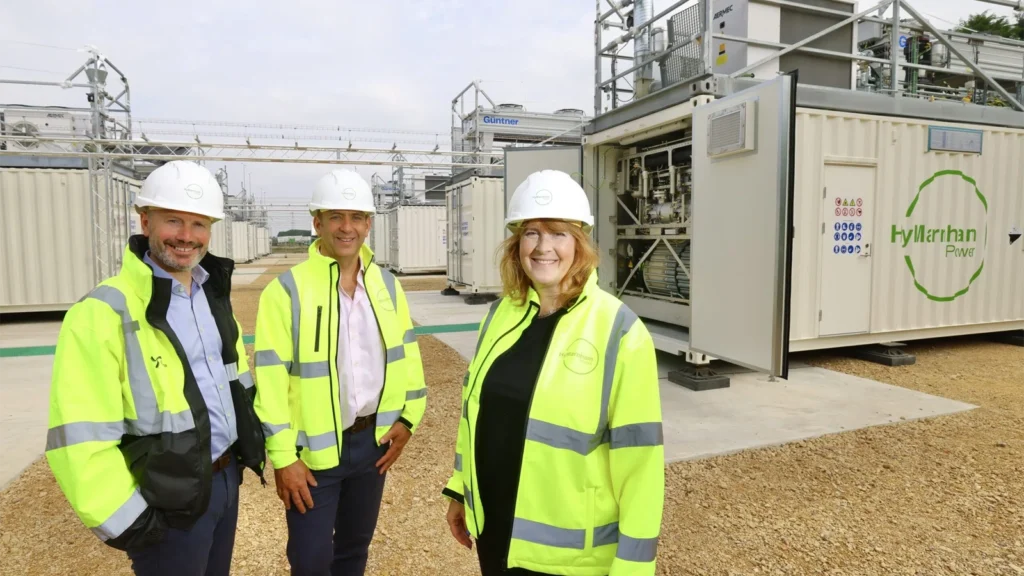
And from the energy‑production corner, Andrew Cunningham, CEO of GeoPura, noted:
“Hydrogen has a vital role in removing diesel from Britain’s rail network, providing zero‑emission power where electrification alone cannot reach.”
“By supplying locally produced green hydrogen from HyMarnham Power to this first-of-its-kind rail application, we’re showing that clean fuel, proven technology and existing rail infrastructure work together right now to cut carbon and improve air quality across the network.”
What this means for hydrogen’s future on rails — and beyond
Until now, hydrogen in the UK has been delivered almost exclusively by road. This first rail‑transport step shows that the existing railway network — 20,000 miles of track, 30,000 bridges, tunnels and viaducts — could double as a national hydrogen supply network.
In practice, that could transform how hydrogen is shipped, stored and distributed, from major industrial users to remote sites that lack grid access. Rail offers better fuel efficiency than road freight, especially for bulk and hazardous materials.
Meanwhile, with green hydrogen being transported directly from a connected production plant, the test underlines the viability of a fully integrated hydrogen-to-rail ecosystem. Production, transport, storage and deployment, all linked by lock‑step logistics.
For the UK’s hydrogen transition, this first delivery is more than a milestone. It’s a blueprint. Rail may not just move people and cargo anymore. It may also carry the clean fuels of the future.