UK waives hydrogen pipeline licenses to accelerate growth

The UK has temporarily removed licensing requirements for pipelines delivering 100% hydrogen, in the hopes of accelerating development of hydrogen projects.
The exemption applies to pilot and early-stage commercial projects, and offers developers a “test track” to more smoothly refine delivery systems.
The Department for Energy Security & Net Zero (DESNZ) has opened a consultation on effective market frameworks for hydrogen pipeline networks, proposing that 100% hydrogen pipeline networks should be eligible to seek permanent exemption to the licensed activity of supply.
What’s changed?
The Energy Act 2023 required hydrogen pipeline networks to have a gas transporter licence, as laid out in the Gas Act 1986. These can cost up to £1,050, depending on the activities covered by the licence, and have a processing time period of 8 months. The application process isn’t simple either – Ofgem’s guide to applying is 87 pages long.
Now, pilot and early-stage commercial projects will be temporarily exempt from this licensing, and the DESNZ is currently considering it as a permanent measure for the future.
What does this mean?
Projects can start faster and embrace experimentation with the removal of long licensing wait times. Full licensing approvals can take more than 8 months to acquire. Without this lengthy part of the development process, projects can begin without delay and experiment in early-stage deployments.
Who benefits?
Two areas are experiencing a particular boost from this temporary waiver: startups and clusters.
Startups previously faced the same regulatory frameworks as large-scale gas networks, regardless of staffing levels, funding or legal support. The licensing process for startups therefore took much longer, delaying new innovation.
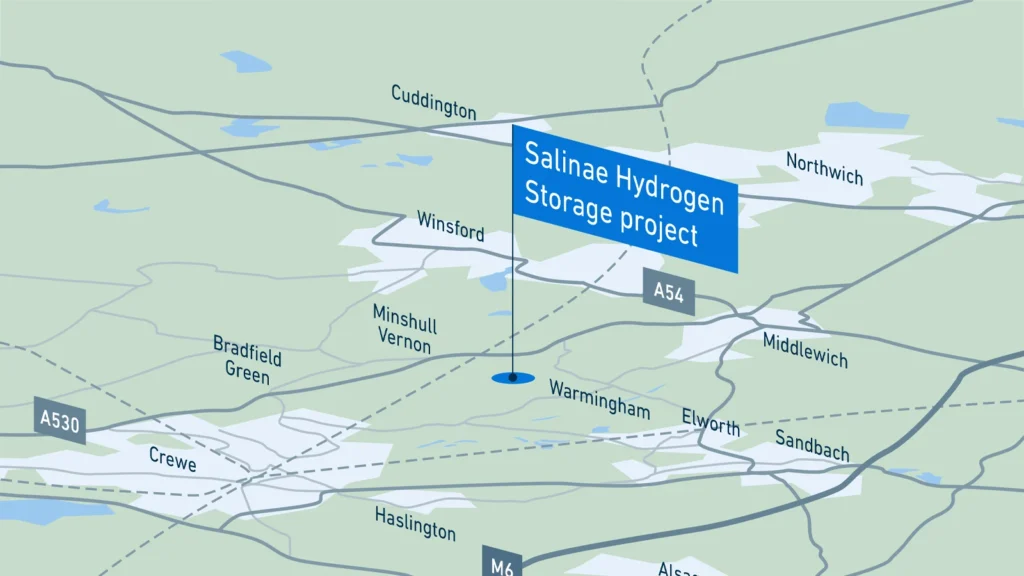
Hydrogen industrial clusters, which are areas concentrated with multiple hydrogen-related industries, rely on short-distance pipeline networks between each site. This new ruling will allow for these areas to evolve more quickly, without licensing hurdles and delays.
Could this become permanent?
A consultation launched by the DESNZ is seeking stakeholder’s views on a new regulatory framework for 100% pipeline networks, including a suggestion of exemptions from supplier licenses for early projects.
The consultation considers ‘100% hydrogen pipeline networks’ to mean “systems of pipeline infrastructure used for transporting only hydrogen gas, with one or more entry points (where hydrogen is put into the pipeline) and multiple exit points (where hydrogen is taken out of the pipeline)”. Early projects meeting this definition could be exempt from licensing requirements to “remove unnecessary regulatory barriers for the first hydrogen pipelines”.
What’s next?
The consultation closed on the 9 September 2025, and the DESNZ has stated that there will be a government response with next steps after consultation responses are considered. The success of the temporary waiver is likely to also factor into government responses, which will have been running for almost two months by the time the consultation closes.
If responses are positive, early 100% hydrogen pipeline projects may be able to permanently seek exemption to the licensed activity of supply.