Hydrogen blending in UK national gas network may be “offtaker of last resort”
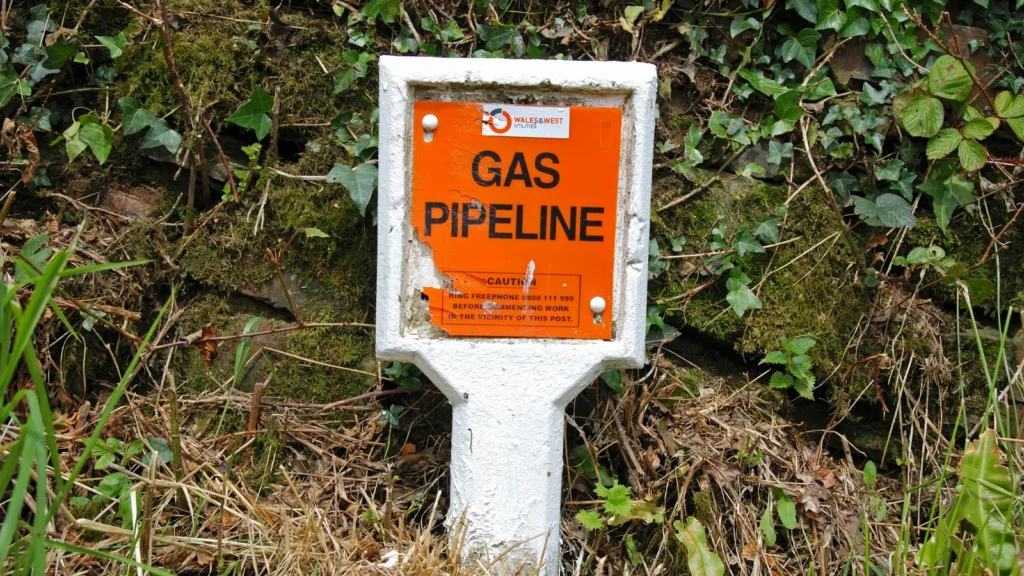
The UK government has launched a consultation on blending up to 20% hydrogen by volume into the GB gas transmission network (NTS).
The consultation suggests that blending would be an “offtaker of last resort”, due to its reliance on a natural gas network, which may be reduced in the progress towards net zero.
It sets out commercial and technical arrangements that would be needed to accommodate the shift, as well as the strategic benefits of hydrogen blending. It is aimed towards stakeholders, in order to inform policy from 2028 onwards.
The primary strategic role is not decarbonising the existing gas network according to the UK’s Department for Energy Security and Net Zero (DESNZ), but rather supporting hydrogen production where it can reduce risk and cost.
What is hydrogen blending and why is it being considered?
Hydrogen blending is the blending of low carbon hydrogen with other gases in the pre-existing gas network. This means that carbon emissions can be reduced without hefty infrastructure costs.
By using blending in the NTS, volume risk – aka, the risk of hydrogen producers being unable to sell sufficient volumes of hydrogen and damaging their revenue – would be reduced.
Another reduced risk is in transport and storage infrastructure, where blending could mitigate cross-chain volume risks. Production costs overall would also reduce significantly due to using existing NTS infrastructure.
The DESNZ also notes that hydrogen blending into the network would allow electrolytic hydrogen producers to locate to support the wider electricity system, freeing up excess renewable electricity from electricity network constraints.
What does the industry say?
The DESNZ commissioned studies from Progressive Energy and Arup, who consulted 30 NTS-connected sites on whether hydrogen blending into their sites would be feasible. The overall outcome: yes, with lots of work.
Most NTS sites consulted for the studies required modifications to equipment and processes, with all but one requiring significant modifications to accept blends of the goal of 20% hydrogen.

However, 13 of the 30 sites consulted said they’d require little to no modification to receive 2% hydrogen blends. The projected costs are still high, with one end user estimating £1 million for feasibility studies alone.
27 of 30 sites responded that they’d require significant modifications to accommodate 5% hydrogen blends, and 20 estimated that the long lead times of three years or longer would be required.
How will this be implemented?
The intention set out in the consultation is to use existing gas market arrangements where possible, reducing both cost and complexity.
The consultation says that the most effective business model to use would be the hydrogen production business model, as confirmed in the last 2023 consultation, and a ‘free-market’ approach would be the preferred technical delivery model.
It also suggests that the majority of hydrogen blending would be done under existing gas billing arrangements, though it said this would not be possible to reach the final goal of hydrogen blending at 20% by volume.
The future for hydrogen blending in the UK
The government is currently minded to consider a 2% cap, but there is still more work to be done before plans go into action.
After the consultation closes, there will need to be a safety case by the Health and Safety Executive, a full economic impact assessment and alignment on distribution-level blending before further progression into policy.
Policy changes won’t be put into place until at least 2028 according to the DESNZ.