Toyota launches hydrogen trucks for parts logistics in Europe
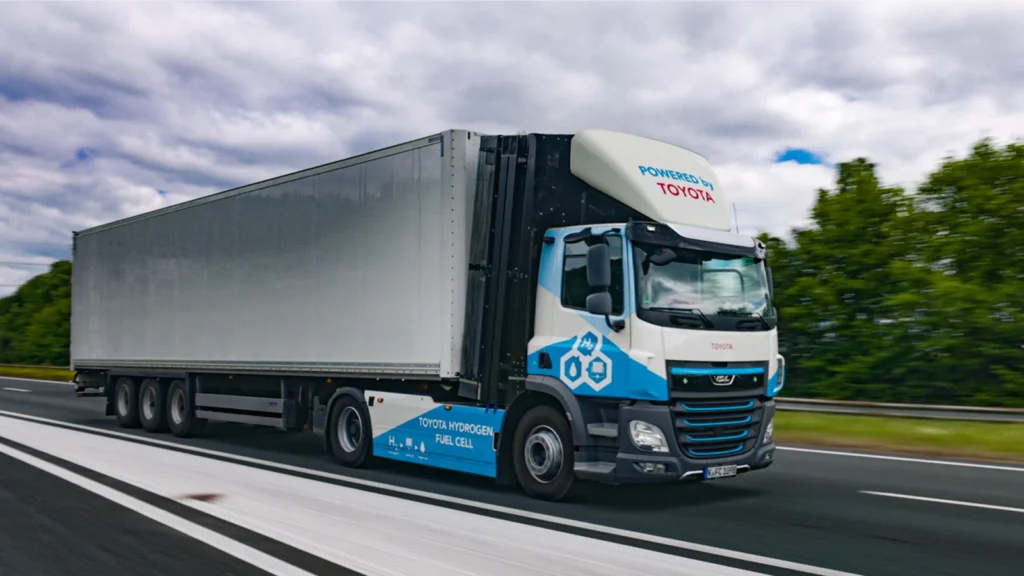
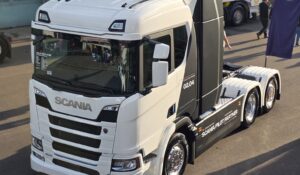
Toyota has begun using hydrogen fuel cell trucks to move vehicle parts across Europe, with new 40-tonne lorries now running between its logistics hub in Diest, Belgium and destinations including the UK.
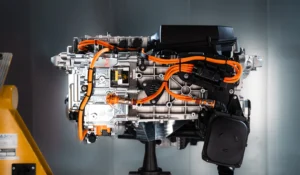
Built by Dutch firm VDL Groep and fitted with Toyota’s own fuel cell modules, the trucks are said to offer diesel-like performance with zero tailpipe emissions.
Real-world range is around 250 miles on a full tank of hydrogen, and the company says the quiet, vibration-free electric motor improves comfort for drivers and reduces noise in urban areas.
On-the-road trials with logistics partners
The trucks are currently being operated by logistics partners Vos Transport Group, CEVA Logistics, Groupe CAR and Yusen Logistics, as part of a pilot to evaluate performance under day-to-day logistics duties. Toyota’s Diest facility handles more than half a million parts each day.
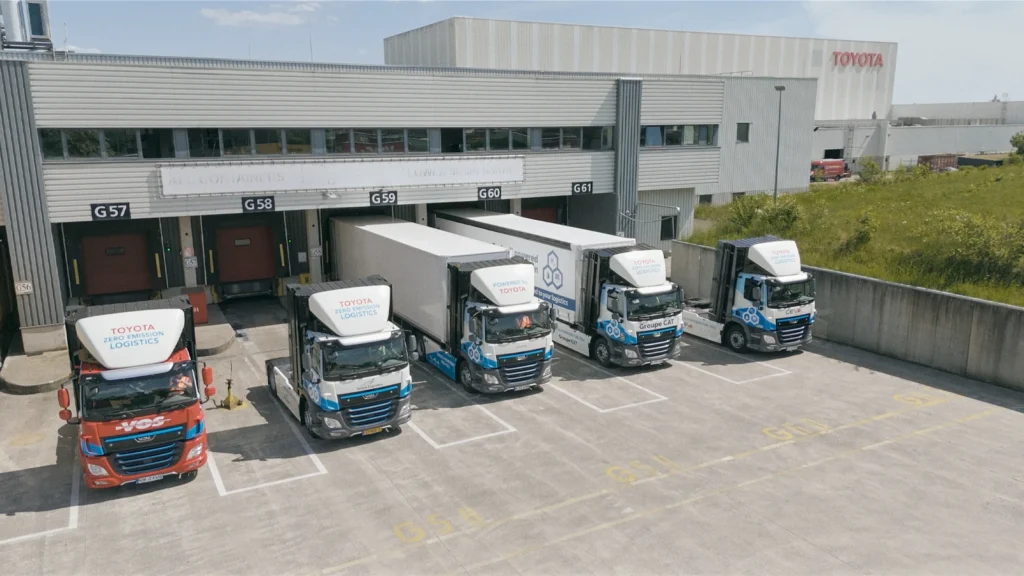
“This initiative is in line with Toyota’s goal to reach carbon neutrality in its logistics operations by 2040,” said Thiebault Paquet, Vice President of R&D at Toyota Motor Europe.
“It also aims to help grow the hydrogen economy. Heavy-duty fuel cell trucks can boost demand for hydrogen, which is a key contributor along with the implementation of the EU’s Alternative Fuel Infrastructure Regulation (AFIR).”
BMW also trials fuel cell trucks in Germany
The move puts Toyota alongside BMW, which recently began its own fuel cell truck trial in Germany.
That project sees two Iveco S-eWay FCEVs running between BMW sites in Leipzig, Landsberg and Nuremberg as part of the EU-backed H2Haul programme.
The trucks refuel at high-pressure hydrogen stations installed specifically for the trial and offer longer range than the Toyota units – up to 800km per fill, according to BMW.
Building towards zero-emissions logistics
Both Toyota and BMW are exploring hydrogen-powered transport as a way to decarbonise logistics without compromising on range or payload, and without waiting for battery charging infrastructure to catch up.
BMW is also trialling hydrogen combustion engine trucks through the HyCET programme, alongside fuel cell vehicles.
Toyota hasn’t confirmed how many trucks are involved in the initial rollout, or whether the Diest route will be expanded.
But with Brussels’ AFIR coming into force and more green hydrogen production coming online, the company says the project will provide key learnings for scaling up fuel cell logistics.