Tesla: Hydrogen will prop up 92% of the future US energy grid
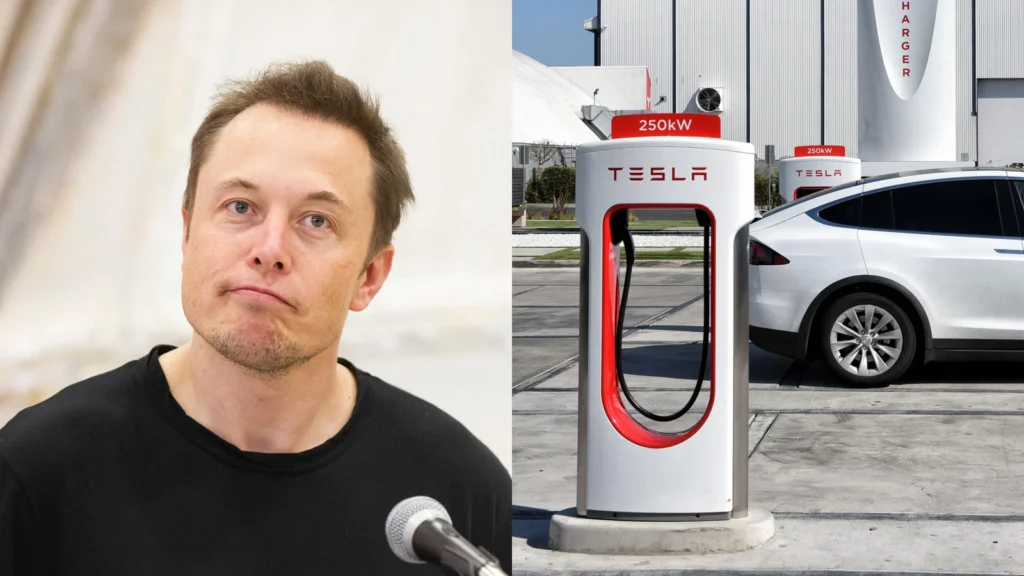
Elon Musk may still publicly say that hydrogen is “mind-bogglingly stupid”, but according to Tesla’s own roadmap for a decarbonised future, hydrogen’s role is anything but small.
Buried deep in Tesla’s Master Plan Part 3 – the car company’s 2023 white paper on how to transition the world to a sustainable energy economy – is a surprising detail: in a fully electrified United States, hydrogen would provide 92% of the country’s stationary energy storage capacity.
Specifically, the modelling calls for 620 TWh of hydrogen-based energy storage – out of a total 673 TWh across all technologies – to help balance the grid when renewables alone fall short.
That’s 92% of total storage capacity, with batteries and thermal systems trailing far behind.
So much for “fool cells”.
Long-duration grunt work
The logic behind it is practical. Lithium-ion batteries are great at daily cycling and quick-response power.
But when it comes to seasonal or multi-day storage – the kind needed to get through a long, dark, windless February – they’re just not cost-effective at scale. Hydrogen, stored in retrofit salt caverns, is.
In fact, Tesla’s plan notes that hydrogen can be produced from surplus renewable electricity in spring and autumn, stored underground, and dispatched months later when solar and wind can’t keep up.
Not for transport – yet
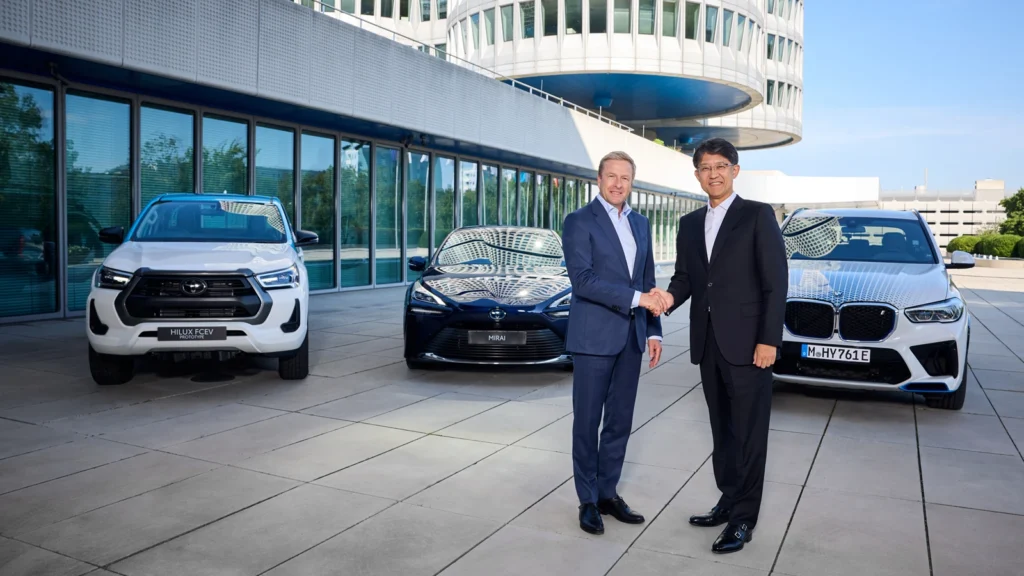
To be clear, this isn’t Tesla endorsing hydrogen cars. Tesla’s entire transport strategy is still firmly rooted in battery-electric vehicles.
In fact, Master Plan 3 is built on the premise that electrifying end-use sectors – vehicles, heating, industry – is the most ‘efficient’ way forward. Batteries remain central to their plan.
But the plan says that when it comes to sectors where direct electrification breaks down – such as high-temperature industrial heat and synthetic fuels for aviation – hydrogen is necessary. And, in the case of energy storage, essential.
Green hydrogen, not blue
Importantly, Tesla’s modelling assumes all hydrogen will be produced from electrolysis, using renewable electricity – not fossil-based methods like steam methane reforming or blue hydrogen.
That means it’s green hydrogen doing the work, not a fossil-derived variant with emissions attached.
And it’s needed in bulk, with Tesla’s plan calling for 150 million tonnes of green hydrogen per year globally, requiring around 7.2 PWh/year of electricity just for hydrogen production.
That’s over 10% of the entire global clean energy supply in Tesla’s model.
So what’s the catch?
If you’re a hydrogen advocate hoping this means Tesla is coming around, don’t hold your breath.
The paper never explicitly walks back Musk’s earlier statements – and the tone suggests hydrogen is tolerated, not embraced. It’s used where batteries can’t compete, not where Tesla would prefer.
Still, the numbers speak volumes. For all the hand-waving about inefficiency, hydrogen ends up with the biggest energy storage role of all – simply because nothing else scales cheaply enough or effectively enough for inter-seasonal backup.
Analysis
Tesla’s Master Plan Part 3 doesn’t exactly roll out the red carpet for hydrogen – but it does lay out a path where hydrogen becomes the unsung backbone of long-duration energy storage.
For all the noise about Musk’s past comments, the company’s own engineers appear to recognise that a 100% renewable energy economy isn’t viable without a vast amount of hydrogen in the mix.
It’s all laid out, on page 20, holding up 92% of the grid’s future long-duration storage capacity.
Turns out, it’s not so “mind-bogglingly stupid” after all. It’s just physics.