UK completes first ‘hydrogen blending’ trial to power grid
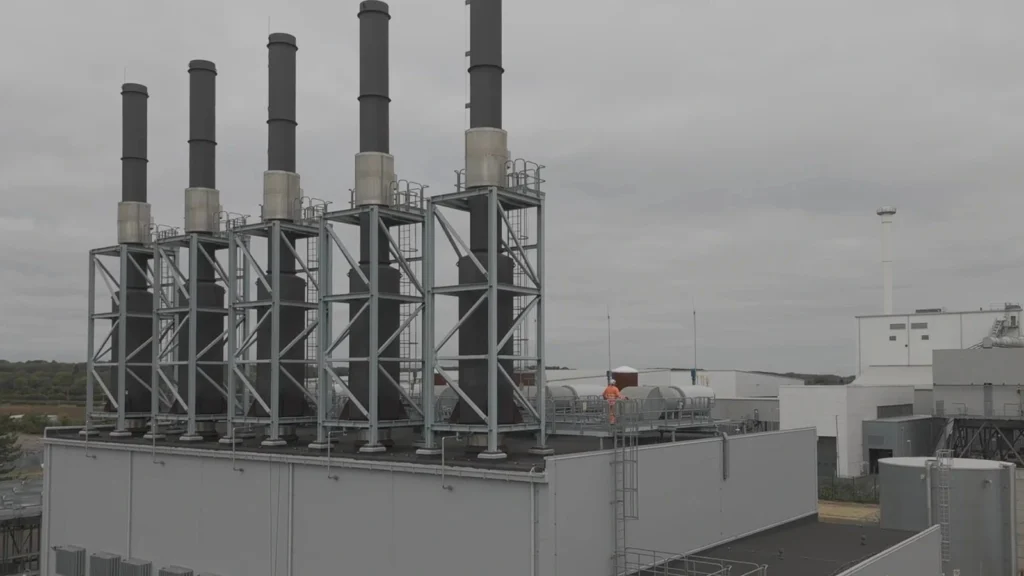
Centrica and National Gas have completed a new trial to inject green hydrogen into Britain’s gas grid. This landmark development had 2% of green hydrogen injected into the gas grid to fuel the Brigg power station in North Lincolnshire.
This is the first “real life” test of its kind after a number of tests on decommissioned sections of the transmission system. It proves that hydrogen blending is both technically and operationally viable for application to the National Transmission System.
How did the trial go?
Chris O’Shea, Group Chief Executive of Centrica, said: “This successful trial marks a significant milestone in the development of the UK’s hydrogen economy – an essential piece of the puzzle in the UK’s journey to a low carbon, homegrown energy system.
“A whole system approach to reaching net zero and realising an emissions free hydrogen network’ is where we want to get to and why we want to help production and demand scale up through blending.”
Gary Smith, General Secretary of the GMB Union, also expressed support for the trial. “The success of this trial is a significant moment for our country’s energy future.
“It highlights the vital role that innovation across our industrial heartlands can play in creating, highly skilled unionised jobs in working class communities, an essential part of any credible plan to meet our net-zero obligations.”
What are the benefits of ‘hydrogen blending’?
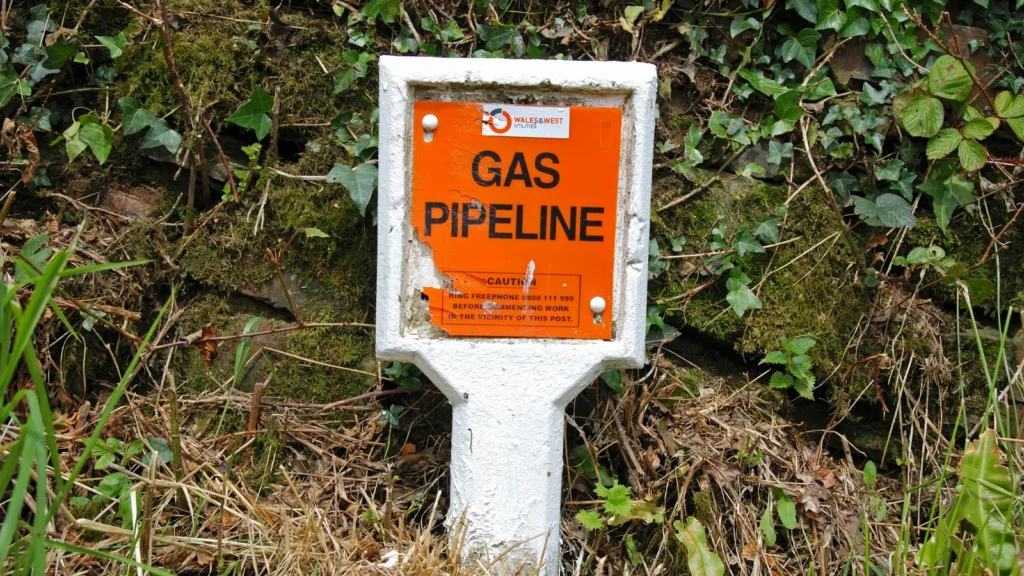
Hydrogen blending is the mixing of low-carbon hydrogen into the national grid. It is a way of decreasing carbon emissions from the grid network without full decarbonisation, which may require more time and resources before implementation.
It also has the potential to create new opportunities across the energy market, providing new jobs and areas to invest.
What’s the context?
The trial follows a number of government consultations across the last few years about the economic and practical potential of hydrogen blending. A consultation ran in 2023 about the strategic and economic value of blending up to 20% hydrogen into existing gas networks, and was followed by a 2025 consultation into stakeholder views on the practicality of implementation.
The EU already has an established approach to hydrogen blending in gas networks – the Hydrogen and Decarbonised Gas Market Package is focused on cross-border interconnection points and has a 2% hydrogen by volume limit.
The UK’s FutureGrid project by National Gas is an example of a transmission-scale offline trial. It involves using a decommissioned section of the NTS to test hydrogen blends of various volumes, from 2% to 100%.
What’s next?
Centrica and National Gas are urging the government to back the use of hydrogen blending of up to 5% hydrogen by volume within the UK’s gas network. National Gas’ research suggests that this could result in 30% de-risking by 2035, compared to just 10% by 2035 under a 2% blend.
This is just the first step for hydrogen blending in the UK, according to Chris O’Shea.
He said: “The results of this trial are especially exciting as we push to develop a world-leading hydrogen economy right here in the Humber – with the proposed expansion of our Green Hydrogen production facility at Easington and the development of the Humber Hydrogen Pipeline.
“If Government can seize this opportunity, hydrogen can turbocharge economies like the Humber, creating jobs, boosting economic growth, and ensuring communities across the area remain at the heart of the UK’s energy transition.”