Daimler’s had enough of waiting – signs MoU with Kawasaki and Hamburg Port for liquid hydrogen supply chain
For the last few years, Daimler Truck has been doing everything it can to prove hydrogen trucks aren’t a fantasy.
The prototypes work, they’ve done the kilometres – 225,000 in fact – carried real freight, been tested by customers, and crossed Germany on a single tank. The company’s engineers have shown that hydrogen can do long-haul.
The trucks move, but hydrogen’s Achilles heel has always been that the rest of the system doesn’t. There still isn’t enough fuel, or anywhere to get it.
Pipelines are, realistically, years away, grid projects crawl along, and Europe keeps holding meetings about infrastructure that doesn’t exist yet in any realistic scale.
So this week in Hamburg, Daimler stopped waiting.
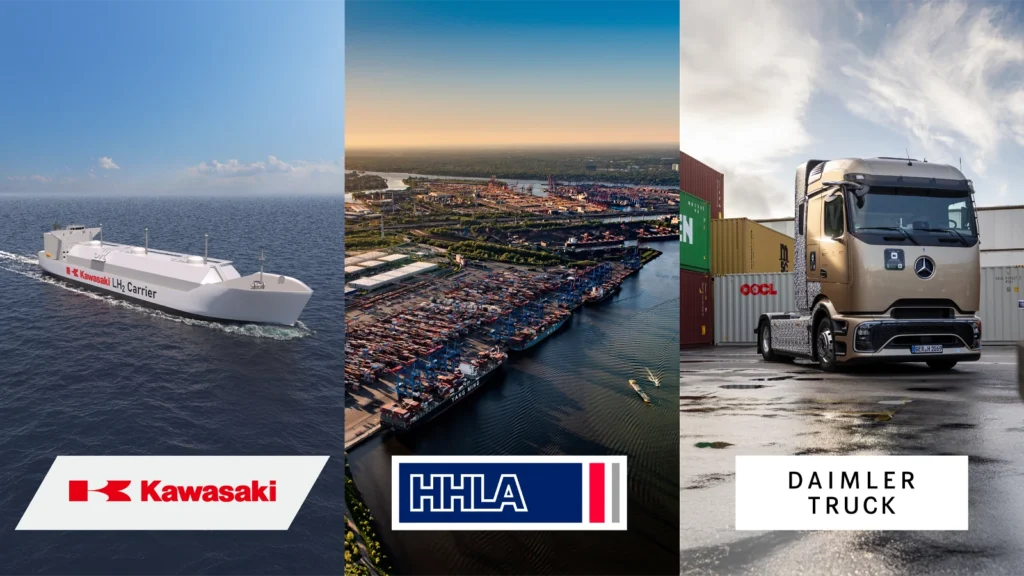
It’s signed an agreement with HHLA – the people who run the port – and Japan’s Kawasaki Heavy Industries, to see how green liquid hydrogen could be shipped into Europe through Hamburg and then sent inland by road and rail.
At the minute, it’s just a memorandum of understanding, not a construction plan per se, but you can read the mood between the lines.
Daimler’s not hoping someone else will fix it anymore – it seems they’re having a go to get the pieces moving themselves.
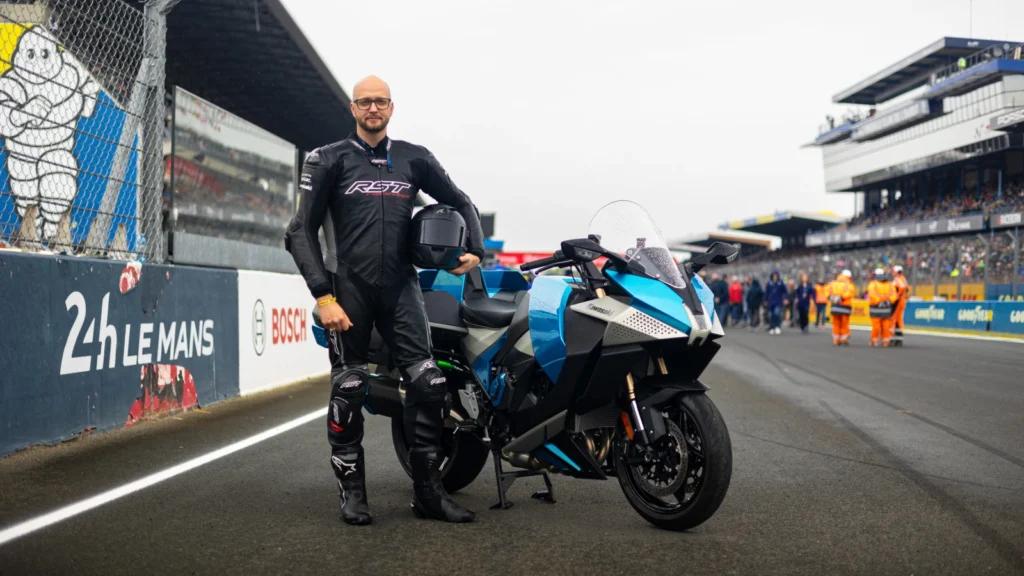
A port, a shipbuilder and a truck company
The partnership between these three heavyweights makes sense. HHLA wants hydrogen to flow through its terminals; Kawasaki already knows how to move it by sea, having built the Suiso Frontier, the world’s first liquid hydrogen carrier ship; and Daimler needs a supply chain that can fuel the trucks it’s building.
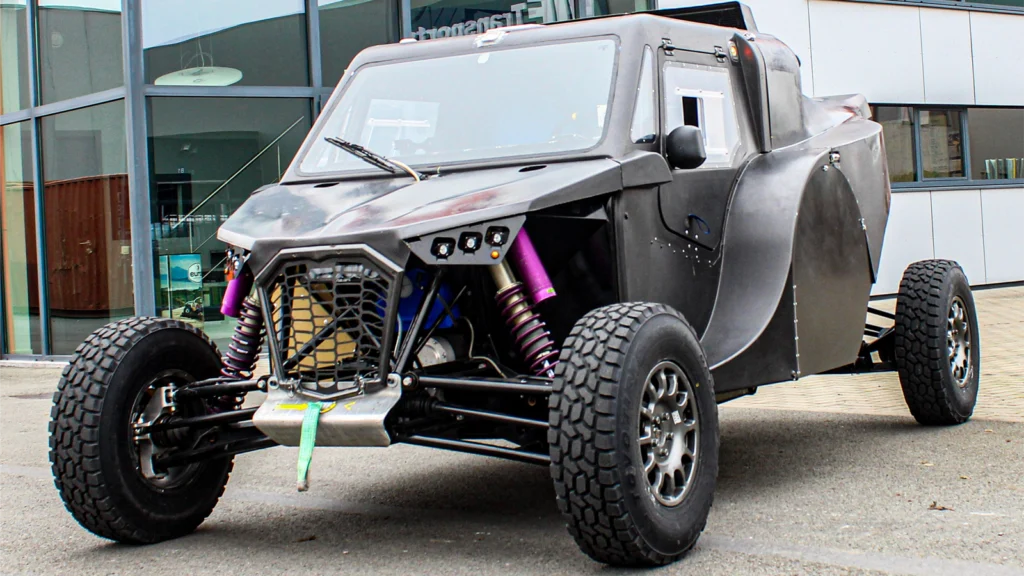
The aim is to bring hydrogen in as a liquid, handle it in Hamburg, and get it to where it’s needed by road or rail.
“Hamburg can also become Europe’s gateway to the world of hydrogen,” said Daimler’s truck technology boss, Dr Andreas Gorbach. Which sounds polite, but it’s also a thinly disguised sigh at how long Europe’s been talking about hydrogen without actually making it move.
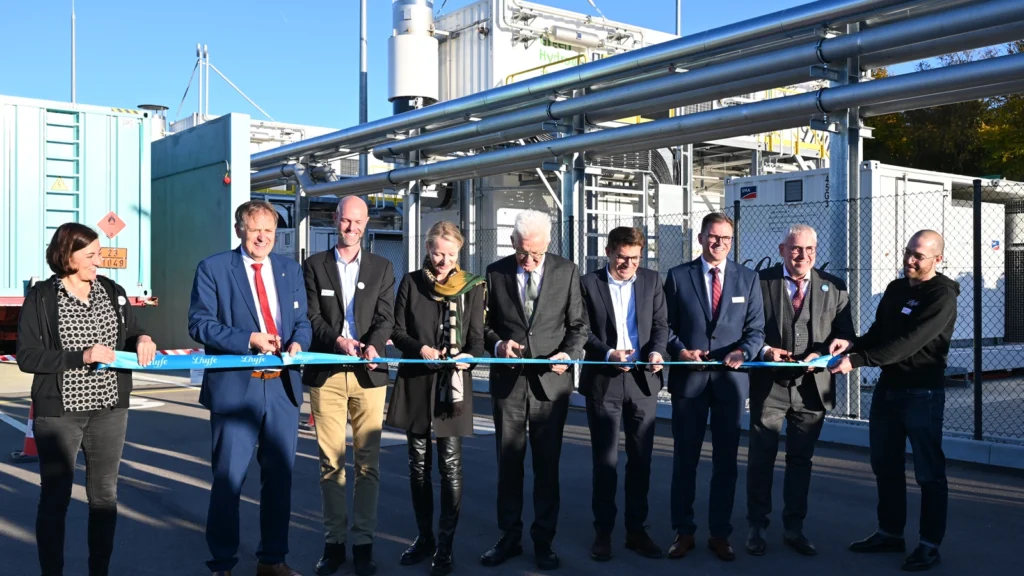
A shift in attitude
Daimler is not in the business of building ports or running ships, but it is, now, in the business of making sure its trucks have fuel.
Hydrogen tech across the board is mature now – cars from Toyota and Hyundai work, diggers from JCB do too, trucks from Daimler and Iveco – they all work.
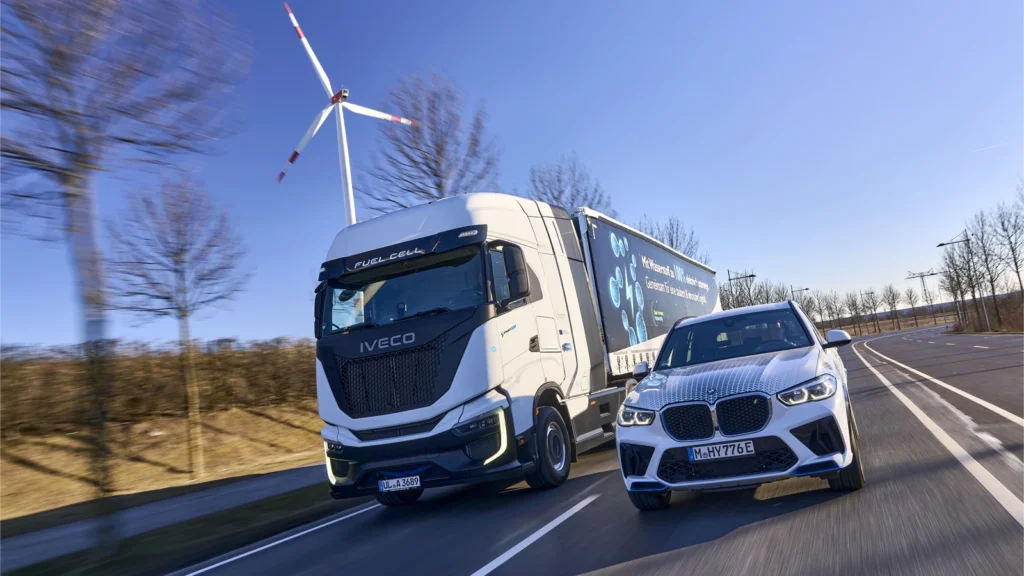
The infrastructure problem – commonly referred to as the chicken-and-egg problem – is the challenge. Daimler has serious money invested in this tech, and it sees it as a viable powertrain of tomorrow, so it’s decided that if the energy world can’t keep up, it’ll start nudging it along.
There’s nothing definitive here, and nothing being built yet. But it’s still a noticeable shift – a sign that the big OEMs are done waiting for the perfect infrastructure plan to appear out of thin air.
Because for all the talk of hydrogen corridors and European strategies, the reality is that someone has to start somewhere. And for Daimler, that somewhere looks a lot like Hamburg.