BMW Leipzig to become world’s first car plant with direct hydrogen pipeline
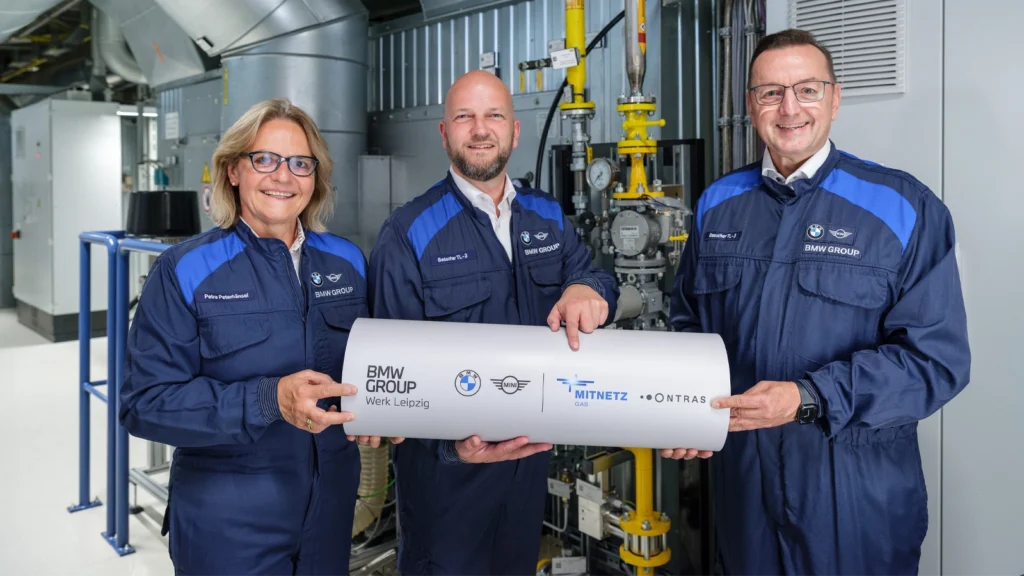
BMW Group’s Leipzig plant is set to become the first car factory in the world to receive hydrogen via a dedicated pipeline, under new agreements signed with MITNETZ GAS and ONTRAS Gastransport.
The roughly two-kilometre link will connect the site to Germany’s future core hydrogen network, replacing the need for truck-delivered cylinders and unlocking new industrial uses for hydrogen within the plant.
Construction will be handled by MITNETZ GAS, including the installation of a pressure and measurement system. BMW and ONTRAS are now finalising the technical connection to the national grid, with the first hydrogen expected to flow by mid-2027.
From forklifts to furnaces
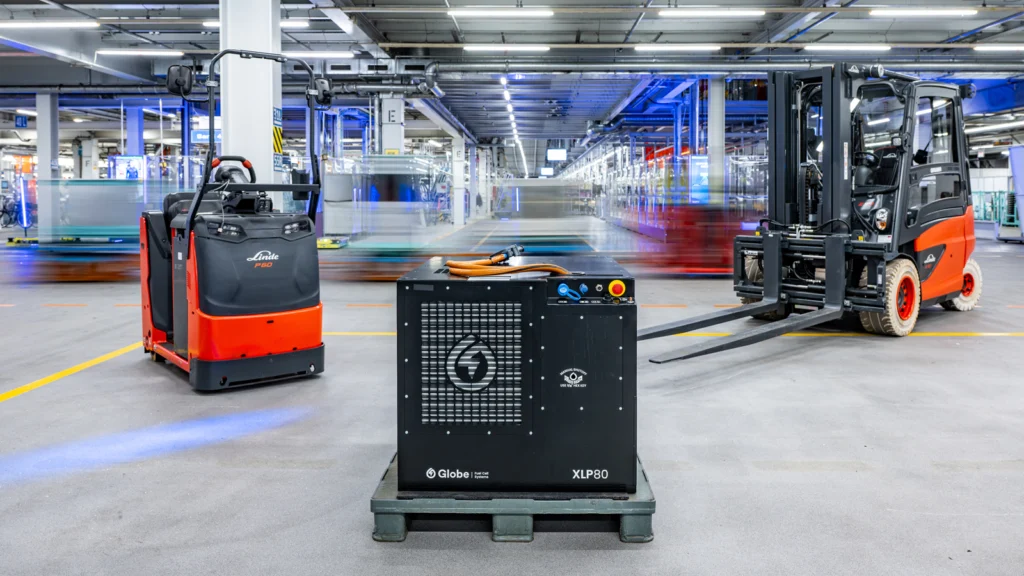
Leipzig has long served as BMW’s hydrogen pioneer. In 2013 it became the first of the group’s plants to introduce hydrogen fuel cell forklifts and tug trains, a fleet that has since grown to more than 230 vehicles – the largest of its kind in Europe. The intralogistics vehicles refuel at nine on-site hydrogen stations spread throughout the plant’s halls.
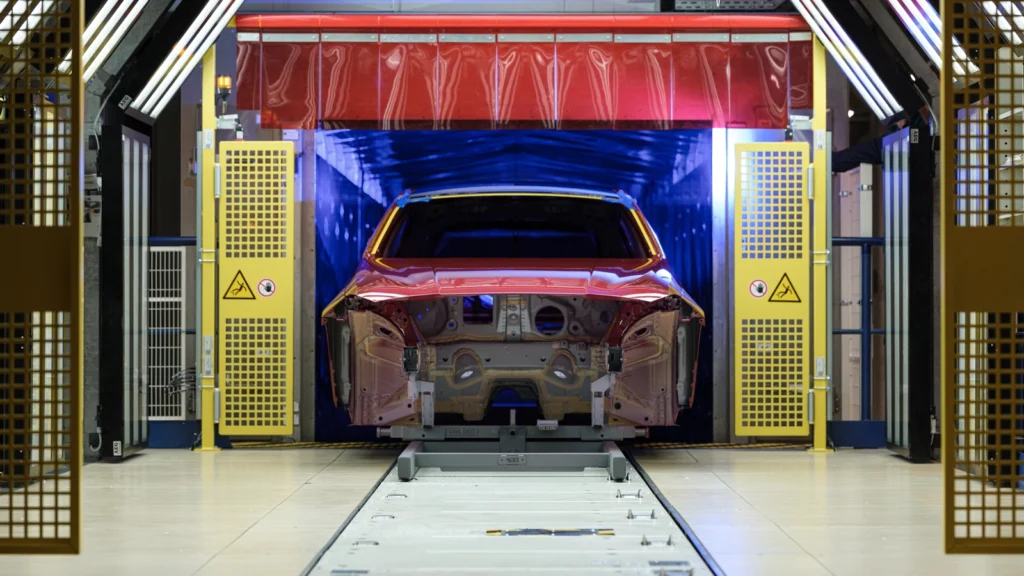
More recently, the site has been testing hydrogen in high-temperature applications. In 2022, it commissioned a fuel-flexible burner for its paintshop curing ovens – capable of switching between natural gas and hydrogen – another world first in automotive manufacturing. Today, eleven of these so-called bivalent burners are in operation.
“With supplies coming in via the pipeline, we will be able to use hydrogen in completely new ways – especially for our most energy-intensive processes, such as our curing ovens in the paintshop,” said Petra Peterhänsel, Director of BMW Group Plant Leipzig.
Plugging into Germany’s hydrogen backbone
The new link will tie the Leipzig plant directly into Germany’s Kernnetz Wasserstoff, or core hydrogen network – a 9,000-kilometre pipeline system now being developed to connect industrial users nationwide and link to transregional import routes. The network will be rolled out in phases, reaching full operation by 2032.
Once the connection is live, BMW says the Leipzig plant will become independent of hydrogen deliveries by road and will be able to scale up use across more of its production processes.
For the carmaker, it also represents a test case in decarbonising industrial heat – one of the most challenging frontiers in manufacturing emissions.
Building a full hydrogen ecosystem
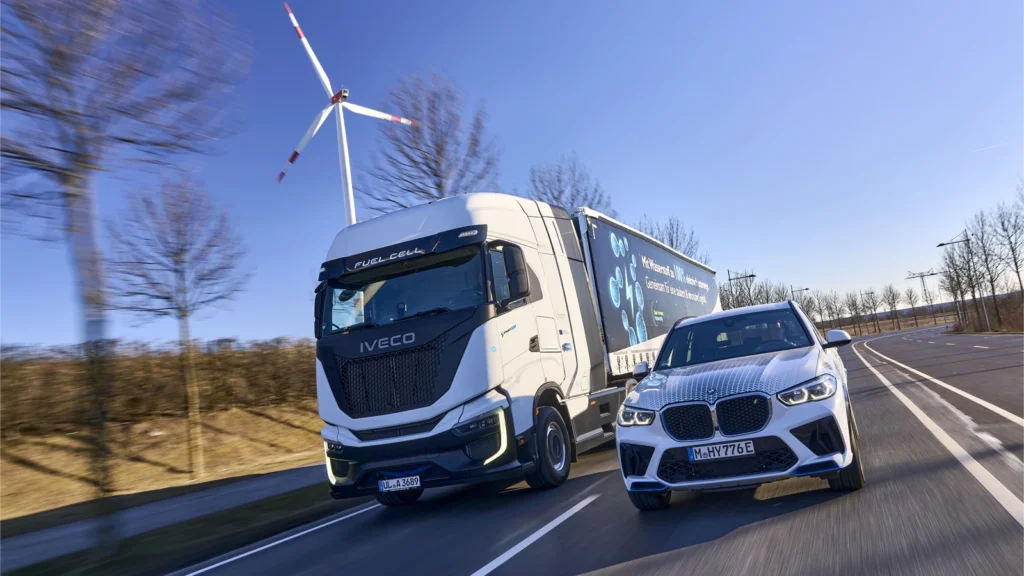
BMW’s use of hydrogen at Leipzig doesn’t end inside the factory gates, with the company already operating hydrogen-powered Iveco trucks to move components between sites, testing low-carbon logistics within its production network.
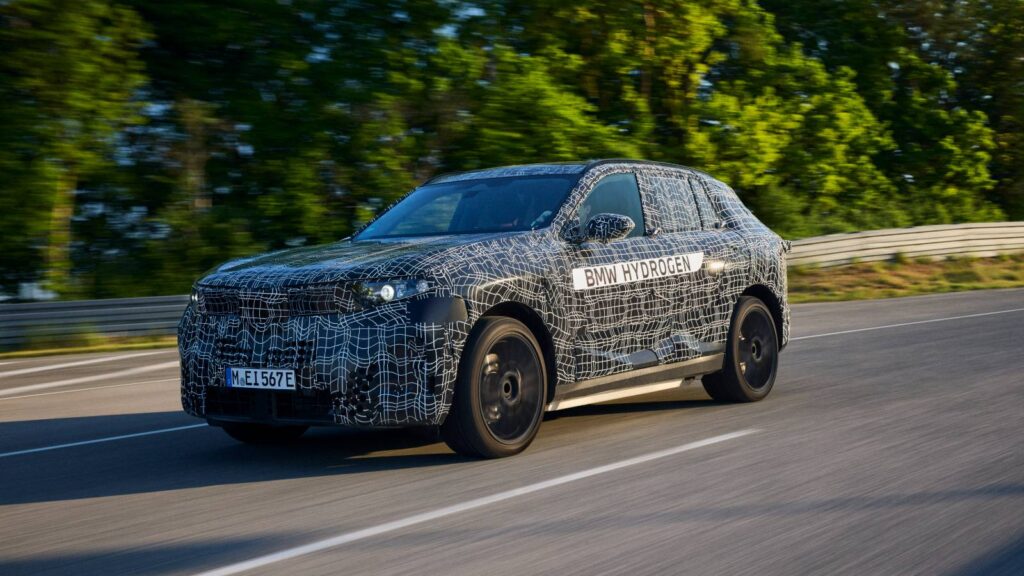
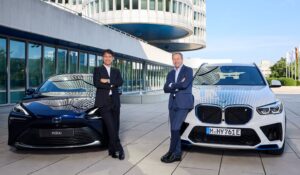
And by the time the pipeline comes online in 2027, it’ll be just a year away from the arrival of BMW’s next-generation hydrogen X5, a full production fuel cell SUV due in 2028.
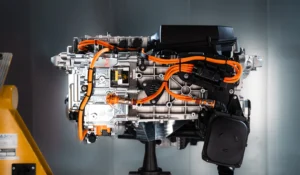
That vehicle will use lessons learned from the current iX5 Hydrogen pilot fleet, which has been running since 2023, giving BMW hands-on experience of hydrogen mobility from both sides – production and road use.
The Leipzig pipeline, in that sense, completes the circle: hydrogen produced, transported, used in manufacturing, and ultimately powering the company’s own vehicles.