UK electric car grant open to hydrogen fuel cell vehicles – but only under £37k
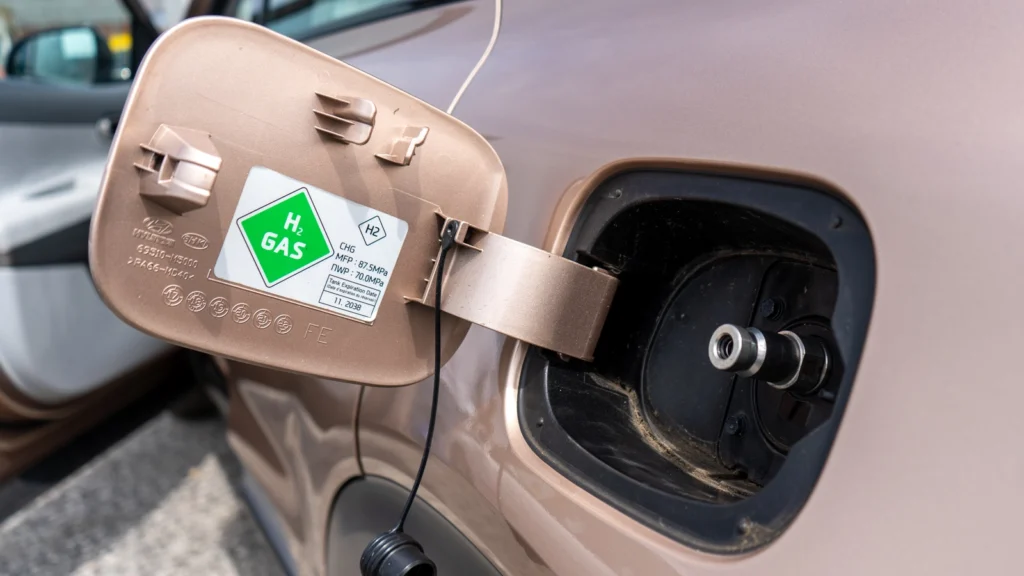
Hydrogen-powered cars are once again eligible for UK government support, thanks to a newly revised Electric Car Grant scheme – provided they come in under £37,000 and meet strict emissions, range, and warranty requirements.
Updated guidance published on 16 July 2025 confirms that fuel cell electric vehicles (FCEVs) will be accepted under the new grant rules, so long as they meet the same technical and environmental standards as battery-electric cars.
The grant now offers two bands of support – £3,750 for cars with the lowest lifecycle emissions, and £1,500 for others – with all vehicles needing to emit zero CO₂ at the tailpipe, achieve at least 100 miles WLTP range, and offer extensive warranties on their battery or fuel cell systems.
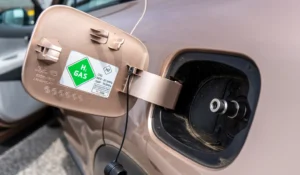
Hydrogen fuel cell vehicles must also show compliance with EC Regulation 79/2009 (a very long and boring EU hydrogen safety law), and include documentation and blueprints for safe public use and emergency response – including clear instructions for first responders.
Tough but fair – if you qualify
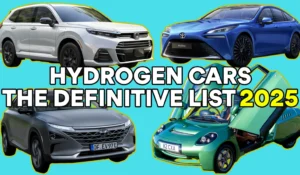
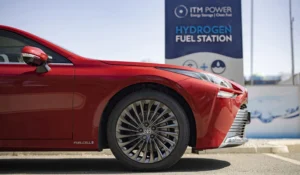
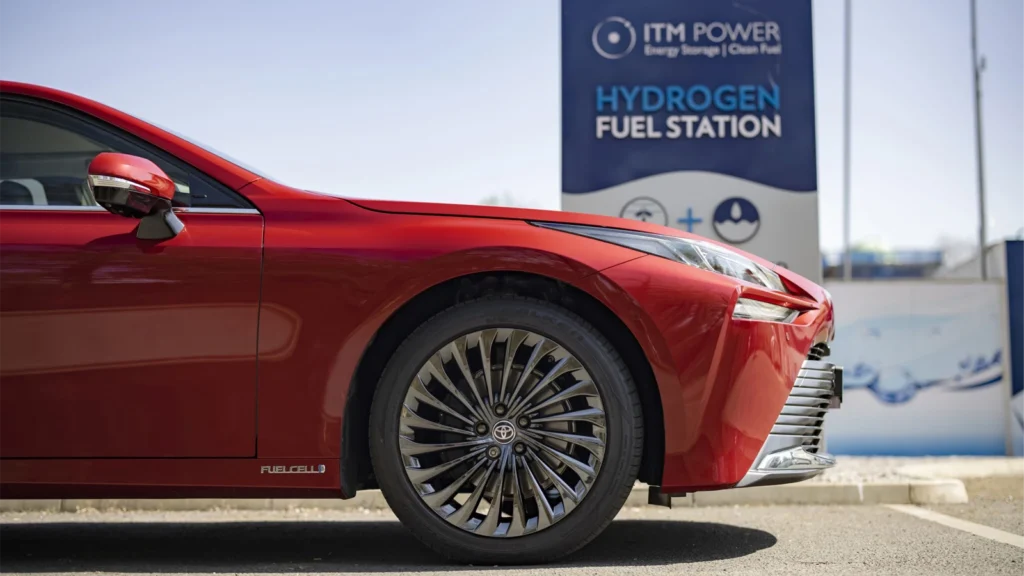
While the inclusion of hydrogen vehicles is welcome news, few existing models will make the cut. The Mirai and NEXO both remain well over the £37,000 price cap, which includes VAT, delivery fees, and mandatory options.
However, future hydrogen models – particularly smaller crossovers, vans, and commercial derivatives – could qualify, provided manufacturers bring them in below the threshold.
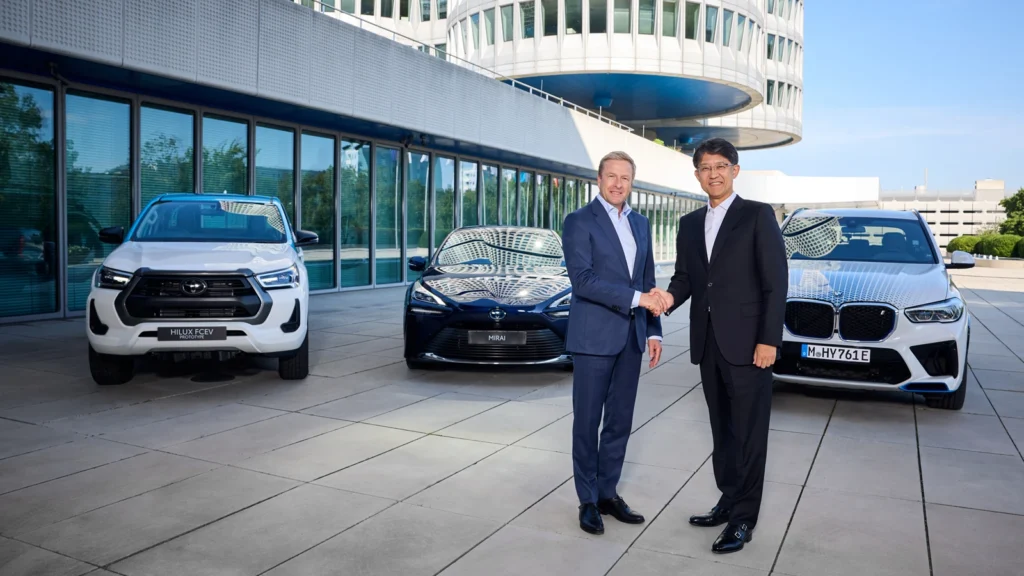
Toyota’s hydrogen Hilux prototype, for example, is being assessed for real-world deployment and may eventually qualify if a production version is priced appropriately.

Environmental scoring: assembly and stack production matter
To receive the full £3,750 grant, a vehicle must not only perform well at the tailpipe, but also score low on carbon intensity in manufacturing. That includes:
- Vehicle assembly location – weighted at 30% of the environmental score
- Battery or fuel cell stack production – weighted at 70%
The government uses International Energy Agency (IEA) data on national grid carbon intensity to determine these scores – meaning vehicles assembled or built in countries with cleaner electricity (like France or Sweden) will fare better than those built in coal-heavy economies.
Manufacturers must also have a verified Science Based Target (SBT) for corporate decarbonisation, further raising the bar.
Fuel cell warranties get specific
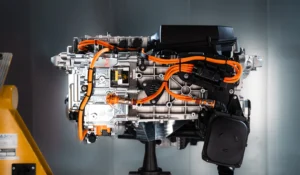
The grant scheme introduces for the first time a formal warranty performance requirement for hydrogen fuel cells, that the ‘stack’ must maintain 90% of rated voltage output for at least five years, and be backed by a warranty of eight years or 100,000 miles, covering stack, hydrogen tanks and electric drivetrain.
Manufacturers must also demonstrate fuel cell degradation stays within acceptable limits and provide the consumer with clear operational and safety guidance.
The most rigorous and detailed grant yet
This is the most technically rigorous and environmentally detailed grant scheme the UK has ever launched – and the first to put hydrogen fuel cells on equal footing with batteries, at least in principle.
But whether any FCEV can actually meet the sub-£37k cap, deliver the performance, and meet the new stack warranty and degradation rules in practice remains to be seen.
For now, it’s a door slightly ajar – and perhaps a sign that hydrogen mobility is being taken more seriously in Whitehall.