Stellantis halts hydrogen van plans, ends fuel cell development programme
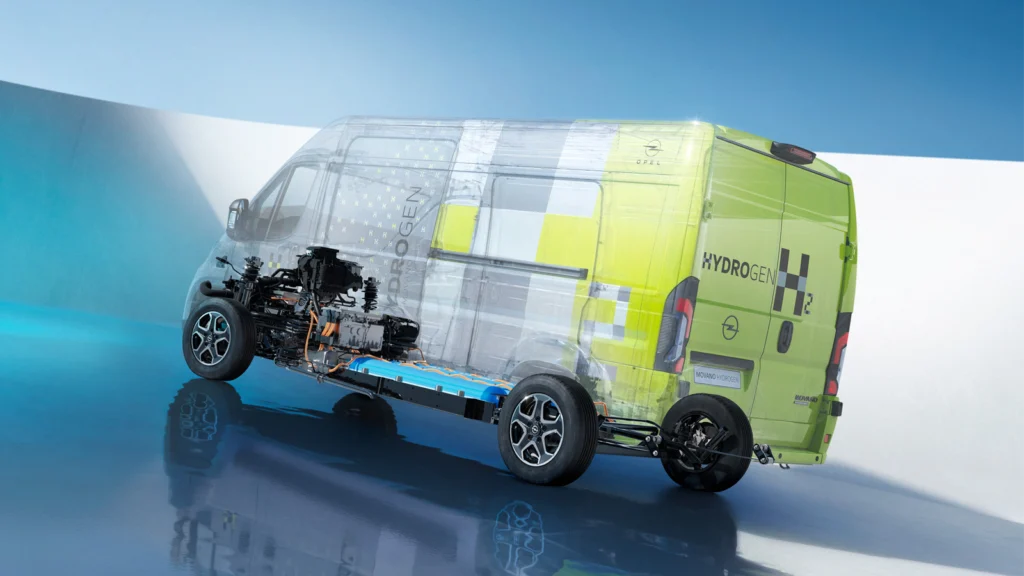
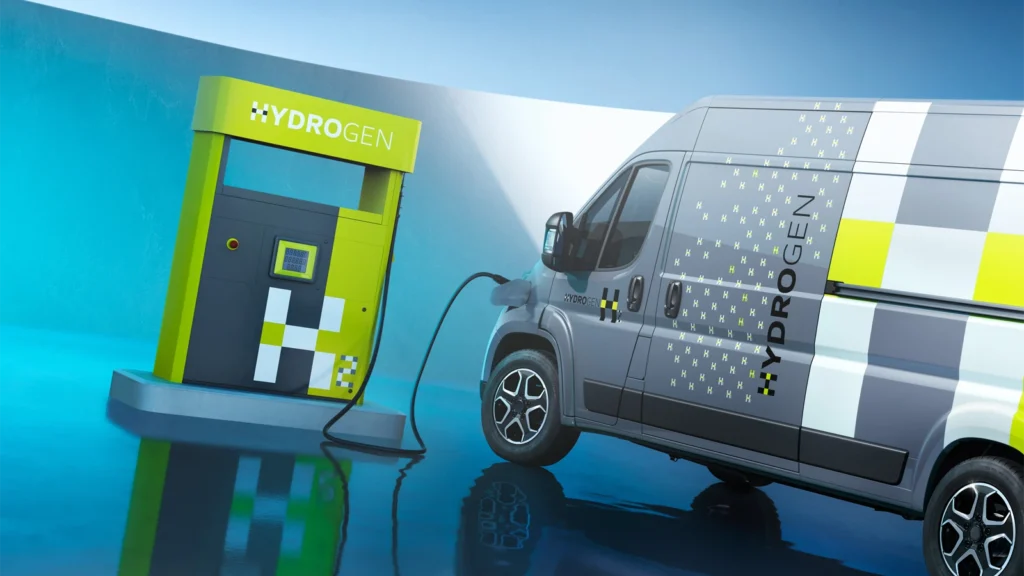
Stellantis has pulled the plug on its hydrogen fuel cell programme, cancelling the planned launch of hydrogen-powered Pro One vans and ending serial production in Hordain and Gliwice before it even began.
The company said the decision was based on “no development prospect at mid-term” for the hydrogen market, citing limited refuelling infrastructure, high capital costs, and lack of commercial incentives.
“In a context where the Company is mobilizing to respond to demanding CO₂ regulations in Europe, Stellantis has decided to discontinue its hydrogen fuel cell technology development program,” said Jean-Philippe Imparato, Chief Operating Officer for Enlarged Europe.
“The hydrogen market remains a niche segment, with no prospects of mid-term economic sustainability.”
Stellantis said the decision will not affect staffing at its production sites in France and Poland. R&D activity previously tied to fuel cell development will be redirected to other projects.
Pro One hydrogen van rollout cancelled
The axed vehicles included medium-sized fuel cell vans due to enter production at Hordain, France, and large vans scheduled for Gliwice, Poland – part of Stellantis’ wider Pro One commercial vehicle brand.
Serial production had been set to begin this summer, with several launch markets – including France and Germany – already deploying earlier-generation hydrogen vans from Citroën, Opel and Peugeot under low-volume fleet programmes.
Those existing vehicles will remain in circulation, but no new fuel cell vans will be manufactured.
Uncertain future for Symbio
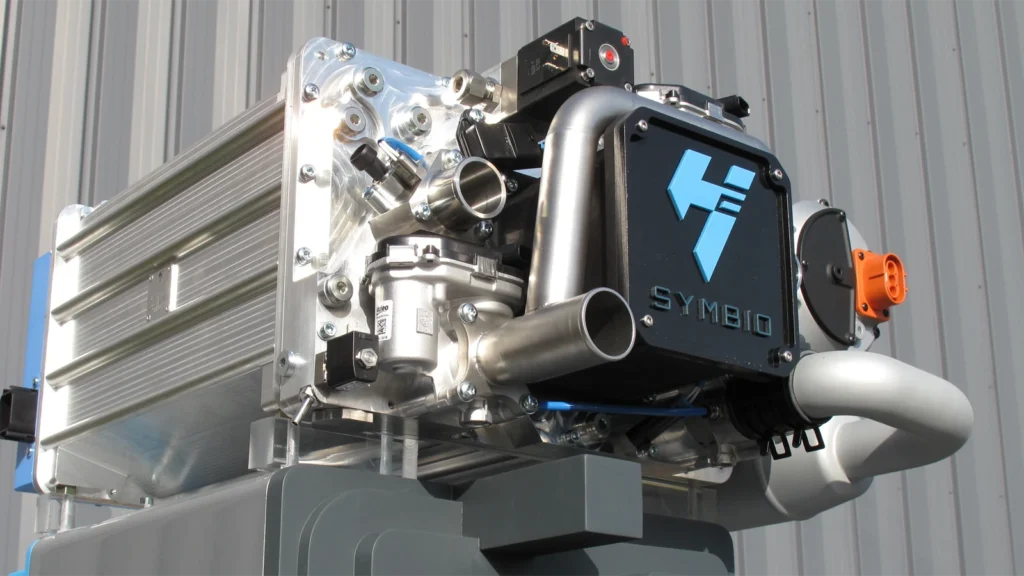
Stellantis also confirmed it is reviewing its involvement in Symbio, the French fuel cell joint venture it co-owns with Michelin and Forvia, stating that it is in discussion with partners to “evaluate the current market consequences and preserve the best interests of Symbio.”
The future of Symbio now appears uncertain. Stellantis’ withdrawal may force a reshuffling of ownership or strategic direction at the company, which inaugurated a 50,000 unit-per-year Gigafactory in France last year.
Context: a wider pullback?
This unexpected announcement is one the most high-profile corporate withdrawal from hydrogen mobility in Europe to date – and a sharp reversal for Stellantis, which had positioned hydrogen as a “third pillar” alongside battery-electric and internal combustion across its light commercial range.
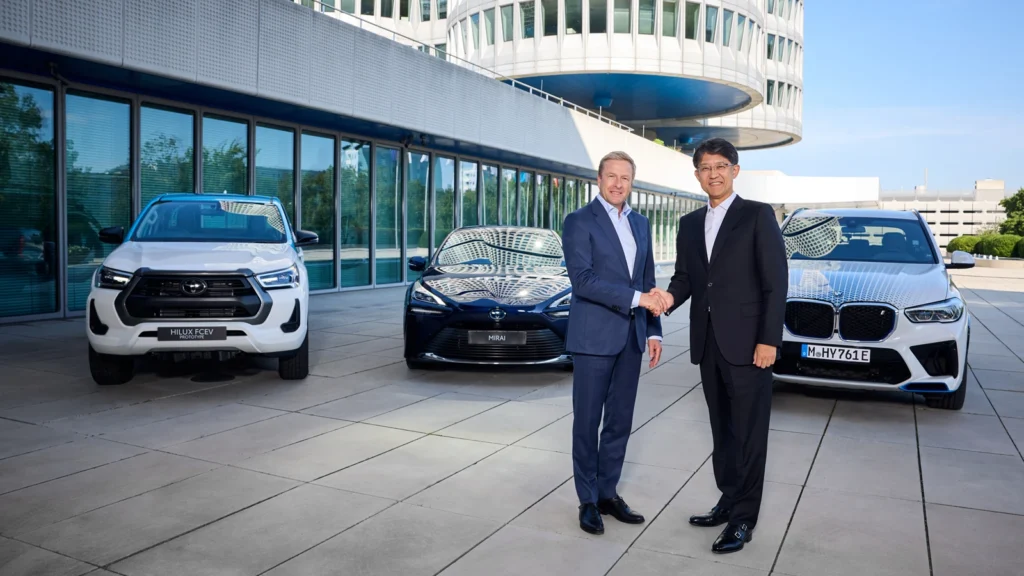
While other OEMs – Toyota, Hyundai, BMW, Honda – remain committed to fuel cell vehicles in both passenger and commercial segments, Stellantis’ decision reflects ongoing frustration at infrastructure rollout and unclear policy signals across key European markets.
It also underscores the different timelines OEMs are working to. Stellantis said it does not expect hydrogen-powered light commercial vehicle adoption “before the end of the decade,” and has opted instead to double down on BEVs and hybrids to meet near-term CO₂ targets.
Driving Hydrogen will continue to monitor the ripple effects of the decision – including what happens next at Symbio.