Shell backs major hydrogen emissions study to ensure fuel’s climate credibility
A new global research project aims to plug the knowledge gap around hydrogen leaks – with high-precision sensors deployed at real-world hydrogen sites in North America and Europe to measure emissions across the entire value chain.
The study, which is being led by the Environmental Defense Fund (EDF), brings together oil majors like Shell and TotalEnergies, industrial gas giants Air Liquide and Air Products, and research institutions including Cornell, West Virginia, and Utrecht University.
Aerodyne Research and other tech developers are supplying field equipment capable of detecting hydrogen leaks with “unprecedented speed and precision”, according to the EDF.
Shell’s hydrogen boss Andy Beard described the initiative as a “landmark” moment for transparency.
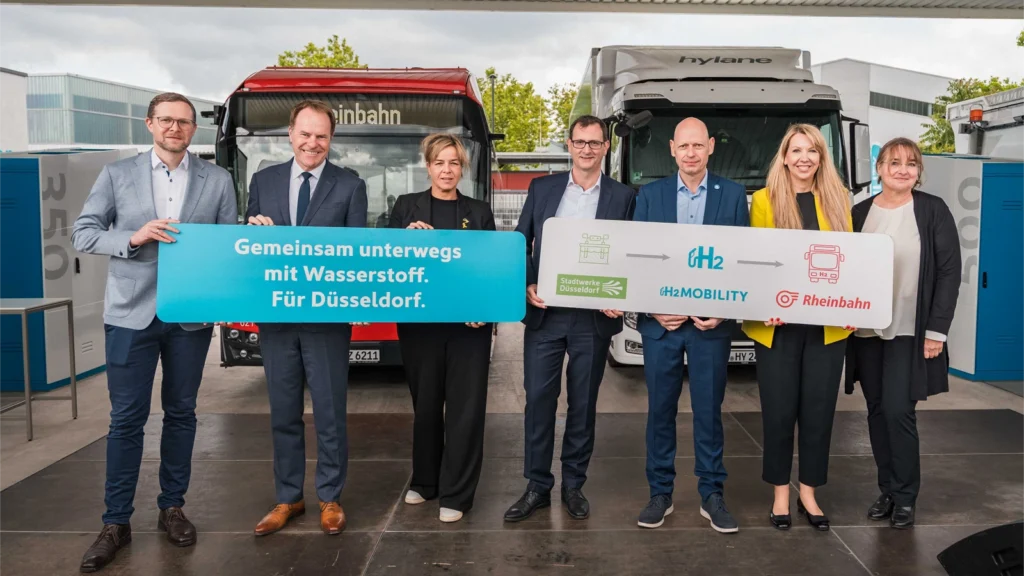
He said: “Understanding real-world hydrogen emissions is essential if we’re committed to building a credible, low-carbon hydrogen economy…”
“This is science and industry working hand-in-hand to improve transparency.”
Climate promise – but with caveats
Hydrogen has huge potential in decarbonising sectors like steel, refining, and heavy-duty transport, but its effectiveness relies on tight system control.
According to the EDF, hydrogen can be leak-prone, and when released into the atmosphere, it can act as an indirect greenhouse gas – extending the lifetime of methane and reducing the net climate benefit of hydrogen use.
The problem is there’s barely any empirical data on real-world leak rates. Most modelling relies on assumptions. This study hopes to fix that.
By using the first commercial high-speed hydrogen analysers and ‘mobile sensor platforms’, researchers will capture site and component-level emissions at operational hydrogen facilities – not labs or simulations.
The resulting data will be anonymised and published in peer-reviewed journals, with the goal of guiding best practice and shaping credible policy.
A turning point for hydrogen transparency?
Until now, much of the hydrogen discussion has focused on carbon intensity at the point of production – whether the hydrogen is ‘green’, ‘blue’, ‘turquoise’ and everything in between. But if the system leaks, those upstream credentials quickly lose value.

By quantifying real leakage rates, the project could help set benchmarks for acceptable losses, identify critical risk points in the supply chain, and improve lifecycle emissions accounting – which is particularly important for policy mechanisms like the EU’s Renewable Fuels of Non-Biological Origin (RFNBO) regulations or U.S. hydrogen tax credits under the IRA.
It may also help sidestep the kind of reputational backlash that has dogged other clean technologies when emissions reality didn’t quite match the promise.
EDF, for its part, is clear about the stakes: “Hydrogen has the potential to be a pivotal tool for decarbonisation,” the NGO wrote in its announcement. “But it presents its own emissions challenges. Understanding and carefully managing them is key.”