Britain accelerates hydrogen backbone with £164m funding
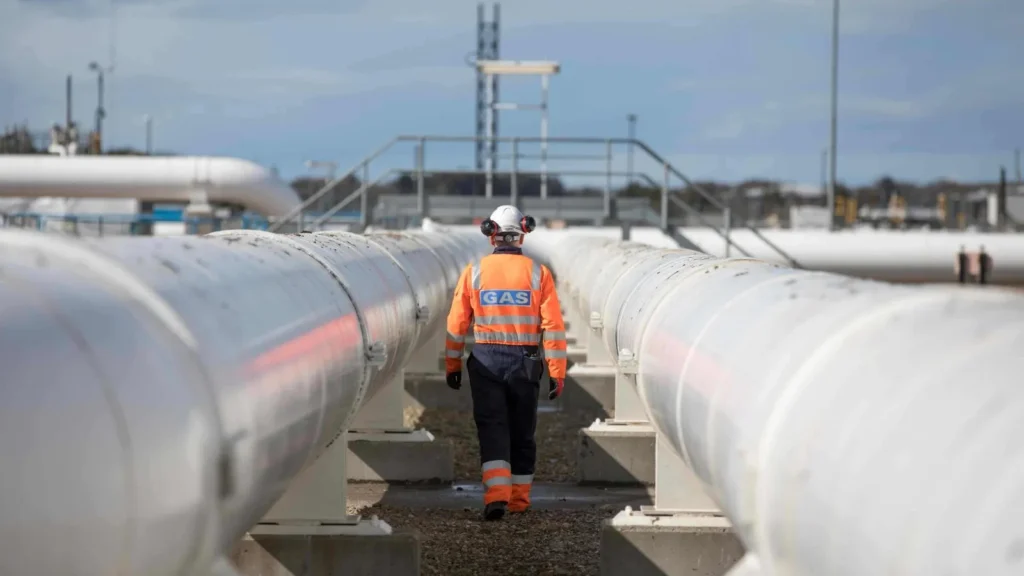
Britain’s ambition to become a clean-energy frontrunner has just taken a major leap. National Gas has secured £164 million in funding to advance the first phase of its core hydrogen network — known as Project Union — which will link production sites, industrial clusters and storage infrastructure across Great Britain.
This is a major shift for the UK hydrogen economy. Once operational, the pipeline will move hydrogen from where it’s made to where it’s needed. It’s expected to lower emissions, cut energy costs, and speed up the clean energy transition.
What is Project Union?
Project Union is the UK’s proposed hydrogen backbone — a 1,500-mile pipeline network that will transport low-carbon hydrogen between key industrial regions.
The funding, confirmed by National Gas this week, will support engineering design, consenting processes, and preparatory works for three major pipeline sections. Most of the route will reuse existing gas transmission infrastructure, keeping costs down and accelerating delivery.
“This is a once-in-a-generation opportunity to redefine how we power our futures,” said Danielle Stewart, Programme Director at National Gas. “For more than 60 years, the gas network has supported the British economy. Project Union is an evolution of that support, driving the transition to low-carbon energy.”

Why it matters
The network will connect industrial centres including Teesside, the Humber, Grangemouth, North West England, and South Wales — linking major hydrogen producers and end-users with reliable transport capacity.
Hydrogen UK has strongly welcomed the announcement, highlighting the importance of infrastructure-led decarbonisation.
“The most cost-effective strategy is one whereby hydrogen is produced in locations with favourable geographic and economic conditions before being transported to areas of high demand through a hydrogen pipeline,” the group said in a recent industry paper.
The project will also integrate with Wales & West Utilities’ (WWU) proposed 130km HyLine Cymru pipeline. Matt Hindle, WWU’s Head of Net Zero and Sustainability, added “The South West of England can use hydrogen to make the most of its renewable energy resources. It provides solutions for hard-to-decarbonise sectors of industry and transport, whilst developing new economic opportunities.”

Hydrogen-ready infrastructure
National Gas plans to repurpose existing pipelines wherever possible, reducing environmental impact and minimising disruption. Only select new-build sections will be required to bridge gaps between clusters.
This approach means the UK’s hydrogen backbone could come online faster than equivalent systems in other countries, with significantly lower capex.
The network also aligns with the ambitions of producers like RWE, who are investing in electrolysers and green hydrogen capacity in the UK.
“Hydrogen is seen as playing a key role in the decarbonisation of energy-intensive sectors,” the company said. “The combination of hydrogen pipelines and regional storage opens up sustainable fuel use for power generation, transport and industrial heat.”
Laying the foundations
The £164 million in support comes from the Ofgem Strategic Innovation Fund and government-backed funding pathways. It’s intended to move Project Union from feasibility into detailed planning — paving the way for final investment decisions.
Once operational, the network could transport tens of terawatt hours of hydrogen annually, helping the UK hit its 2030 hydrogen targets while unlocking significant private-sector investment.
“This funding is critical to delivering the infrastructure the UK needs to decarbonise,” said Ian Radley, Chief Commercial Officer at National Gas. “It demonstrates real momentum in the hydrogen transition — and commitment from government and industry to build the network that will power it.”