Symbio lashes out at Stellantis hydrogen exit as partners warn of “irreversible consequences”
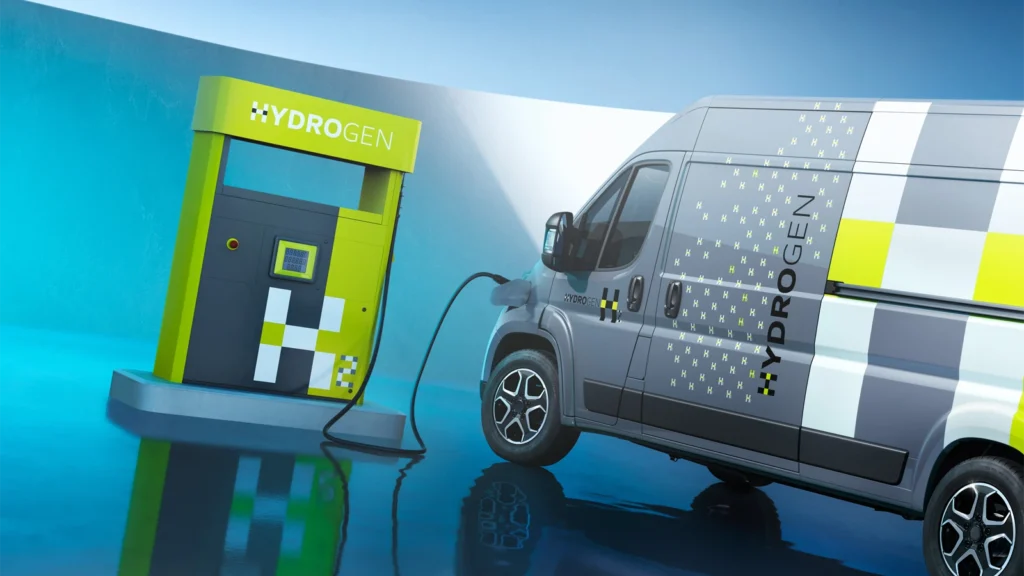
Stellantis’ sudden withdrawal from hydrogen fuel cell development has triggered a furious response from Symbio, its joint venture partner and primary supplier for hydrogen-powered vans.
Co-shareholders Michelin and FORVIA warn of “irreversible operational and financial consequences” for the company.
In a formal statement, Symbio called Stellantis’ decision “brutal and unilateral,” accusing the automaker of walking away from firm commitments and jeopardising the future of France’s most advanced hydrogen mobility programme.
The cancelled vehicle line – hydrogen-powered light commercial vans under Stellantis’ Pro One brand – had accounted for around 80% of Symbio’s expected production volume through to 2030.
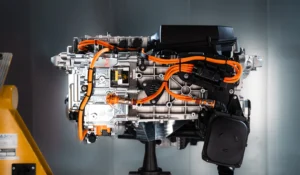
The fuel cell systems, developed specifically for Stellantis’ LCV needs, had completed final validation in April, with serial production due to begin this summer at Symbio’s SymphonHy gigafactory in Saint-Fons, near Lyon.
“No company has ever deployed hydrogen technologies at this level of maturity and speed,” said Jean-Baptiste Lucas, Symbio’s newly appointed CEO. “It is inconceivable that all this should be reduced to nothing.”
A blow to France’s hydrogen industrial strategy
Symbio’s 640 staff – 590 in France and 50 abroad – now face an uncertain future, as the company scrambles to redirect its resources and salvage its operations.
Management has initiated discussions with Stellantis regarding compensation and contractual responsibility, and is actively pursuing alternate financial and industrial scenarios to preserve employment.
Symbio has also criticised Stellantis for breaching confidentiality over conciliation proceedings currently underway at the Lyon Commercial Court.
Co-owners Michelin and FORVIA added their voice to the growing criticism, confirming that they were informed of Stellantis’ plan only in May, despite the French automaker’s deep involvement in shaping Symbio’s roadmap.
“Symbio has scaled its investments, hiring, and development roadmap based on Stellantis’ stated needs for the next eight years,” the companies said in a joint statement. “The technology and performance of Symbio’s systems have been validated by all shareholders – including Stellantis’ own teams.”
Undermining a government-backed LCV hydrogen rollout
The fallout also risks derailing France’s national hydrogen mobility strategy, including a government-backed call for projects launched in May 2025 to support the industrialisation of hydrogen-powered vans.
Symbio had prepared to supply fuel cells for these vehicles – eligible for public subsidies under ADEME’s new LCV H2 programme, part of France’s National Hydrogen Strategy. Stellantis’ sudden withdrawal throws those plans into disarray.
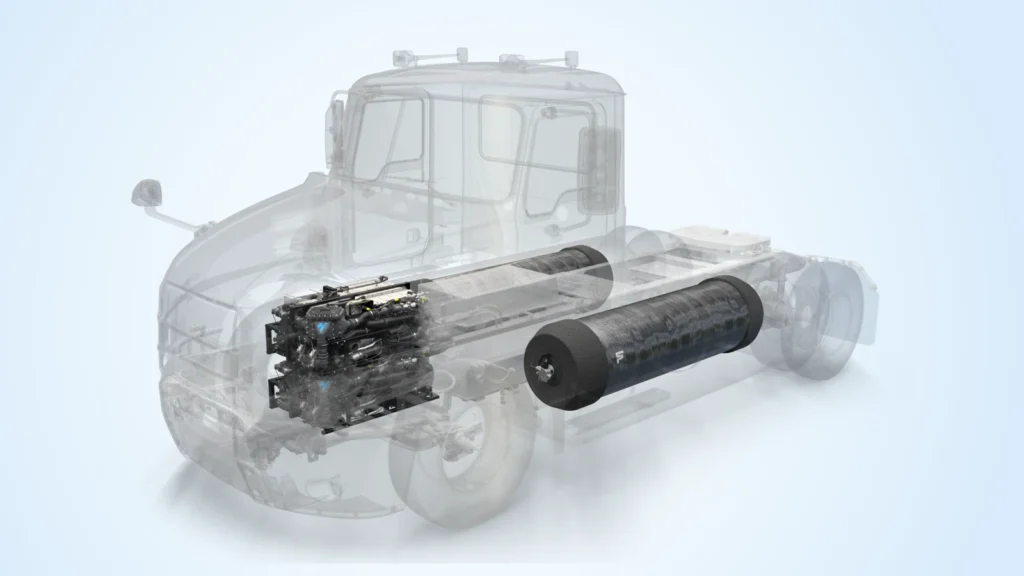
Despite the setback, Symbio says it will accelerate production of its 75 kW StackPack™ fuel cell system and continue development of 150 kW and 300 kW platforms for heavy-duty and stationary applications.
But with its largest customer pulling out, and government policy caught mid-rollout, the future of France’s hydrogen LCV sector now hangs in the balance.
“It is time for all of us to define a long-term course and reconnect with our leadership,” Lucas said. “European industrial sovereignty is at stake.”