Japan to introduce ¥700/kg hydrogen fuel subsidy to kickstart commercial uptake
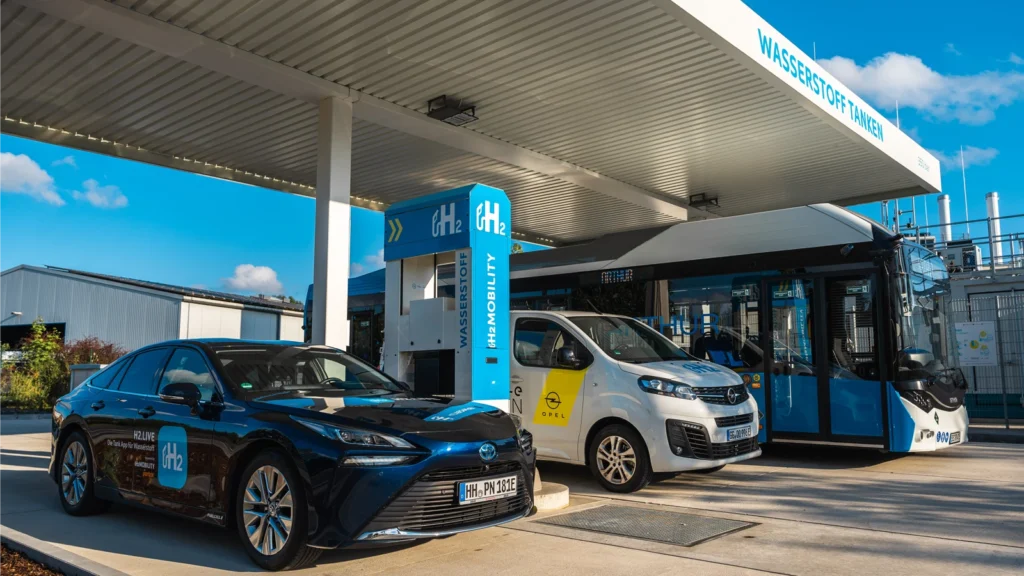
Japan is reportedly launching a new hydrogen fuel subsidy to close the cost gap between hydrogen and diesel for commercial transport, offering ¥700 ($4.83) per kilogram to operators of hydrogen refuelling stations – with conditions that those savings be passed on to users.
As first reported by Nikkei Asia, the programme is being spearheaded by Japan’s Ministry of Economy, Trade and Industry (METI) and will initially focus on six priority regions: Tokyo, Kanagawa, Fukushima, Aichi, Hyogo, and Fukuoka.
These prefectures have been identified based on projected demand and readiness to support commercial hydrogen mobility through regional partnerships.
Unlike previous initiatives, which focused on subsidising the purchase of fuel cell vehicles or funding the construction of refuelling infrastructure, this new approach targets the operating cost directly – by making the hydrogen itself cheaper to buy.
The ¥700/kg subsidy equates to roughly 75% of the current price gap between diesel and hydrogen, aiming to make hydrogen a commercially viable fuel for trucks and buses.
According to Nikkei Asia, the typical savings per refuelling for a heavy-duty hydrogen truck could amount to ¥21,000 ($144), potentially removing a major financial barrier for logistics operators looking to transition to zero-emission fleets.
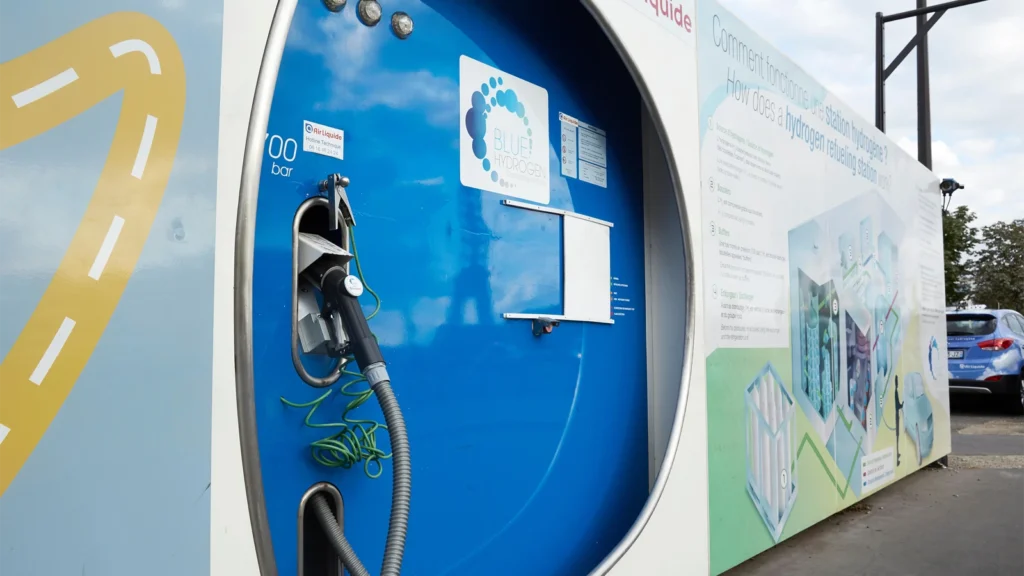
The subsidy will be paid to hydrogen refuelling station operators, who are required to lower pump prices accordingly.
Around 90 refuelling sites in the six selected areas are expected to take part in the initial rollout.
Japan currently has around 160 commercial hydrogen vehicles on the road, but government forecasts indicate that number must rise to over 17,000 by 2030 in order to meet national decarbonisation goals.
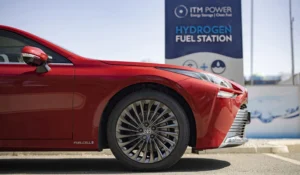
Toyota, which recently unveiled its third-generation fuel cell system with improved durability and efficiency, has sold nearly 28,000 hydrogen-powered Mirai units worldwide since 2014.
But the next major growth phase, as this new programme suggests, lies in heavier vehicles.
The Japanese government’s strategy arrives just as other nations begin to explore similar policy tools.
France, for instance, has opened a consultation on a proposed renewable hydrogen mandate for transport, targeting 1.5% hydrogen fuel content by 2030.
By addressing the cost of hydrogen at the point of use – rather than just subsidising hardware – Japan’s METI hopes to jumpstart commercial deployment and create sustainable demand for refuelling infrastructure.
Whether this proves enough to scale up hydrogen transport remains to be seen, but it’s a decisive move toward making the fuel competitive where it matters most: on the road.