BP exits H2Teesside hydrogen project as site shifts to AI data centre
A major UK hydrogen‑to‑industry project has been scrapped, with serious implications for the nation’s hydrogen ambitions.
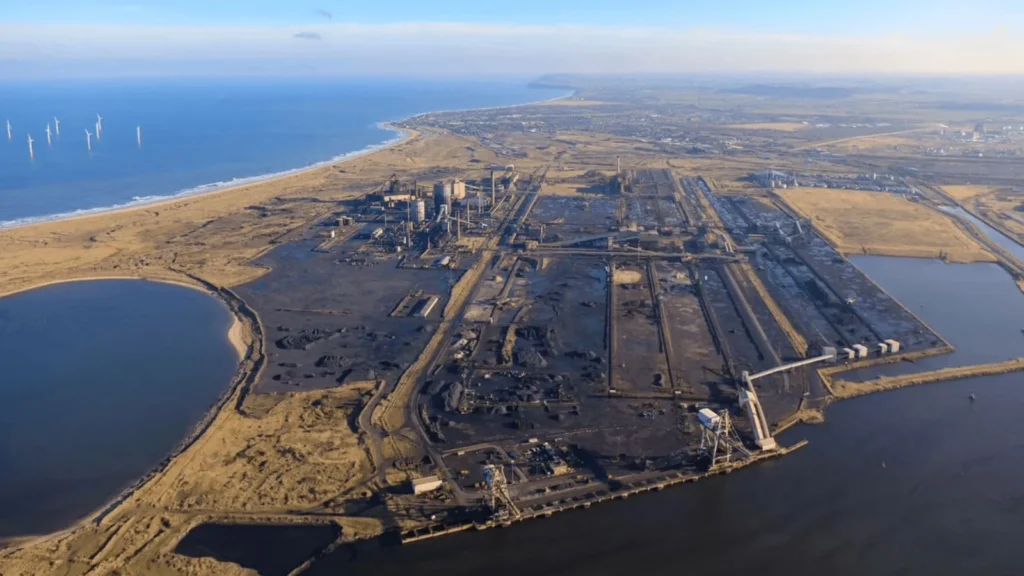
BP has formally withdrawn from its planned “H2Teesside” hydrogen and carbon‑capture scheme, signalling a sharp pivot away from low‑carbon hydrogen production at the former Redcar steelworks site in north‑east England.
Why the pull‑out matters
H2Teesside was meant to produce low‑carbon hydrogen from natural gas, combined with carbon capture — so‑called “blue hydrogen”. The plan, first announced in 2021, was seen as a cornerstone of the UK’s ambitions to decarbonise heavy industry and build a hydrogen economy.
Instead, BP cited shifting priorities: with local industrial demand fading and new plans to build a massive AI data centre on the same site now backed by government, the feasibility of the hydrogen scheme collapsed.
What’s replacing hydrogen at Teesside?
The former steelworks land is now earmarked for a major large‑scale artificial intelligence data hub — a project the government has approved. It’s expected to bring significant economic activity and jobs, and the site owners have backed it instead of the hydrogen plant.
BP said the overlapping land‑use with the AI centre and weakening industrial hydrogen demand made the hydrogen plan untenable.
Implications for UK hydrogen ambitions
The collapse of H2Teesside leaves a sizeable gap in the UK’s hydrogen roadmap. The project was due to be one of the country’s first large-scale blue‑hydrogen plants and a potential anchor around which hydrogen infrastructure could grow.
With it gone, the pressure increases on alternative hydrogen routes — such as green hydrogen production via electrolysis, or smaller modular hydrogen projects — to pick up the slack.
It also raises questions about the stability of hydrogen‑backed industrial investment if major firms can walk away when other opportunities (like AI or data) emerge.
Balancing land, jobs and hydrogen ambitions in Teesside
Tees Valley Mayor Ben Houchen addressed the decision to shift BP’s hydrogen project plans, citing practical challenges and the region’s broader investment landscape.
“Land on the former steelworks site is limited, and investor interest is high,” he said. “We’ve got a responsibility to make sure it’s used to deliver the biggest possible benefit for local people.” Houchen welcomed what he called BP’s “pragmatism” in response to those pressures.

While a planned data centre will now take up part of the site, he emphasised that it promises more long-term jobs, investment and “future-proof growth” than any alternative. Houchen also reaffirmed the region’s ongoing collaboration with BP to deliver the £4 billion Net Zero Teesside carbon capture project.
Meanwhile, hydrogen development continues in the region. EDF Power Solutions UK and Hynamics have secured support from the government’s Net Zero Hydrogen Fund (NZHF) for their Tees Green Hydrogen project.
Subject to a final investment decision, the project’s first phase could go live by 2026. Future stages aim to expand capacity to up to 300 MW.
What BP says next
Despite pulling out of the Teesside scheme, BP says it will continue to invest in other regional energy and decarbonisation projects. It emphasised that markets and hydrogen demand are dynamic, and the company remains open to future hydrogen opportunities under different conditions.
Why this matters — for hydrogen and for energy policy
The Teesside reversal underlines a core challenge: hydrogen infrastructure and demand remain fragile, especially when competing projects promise quicker returns.
At a time when governments are pushing for net‑zero emissions, the stability and long-term commitment to hydrogen matter more than ever.
For hydrogen supporters in the UK and beyond, the BP decision is a reminder: building a hydrogen economy requires not just technology and funding, but certainty, demand, and policy consistency.