Shell signs renewable power deals to fuel REFHYNE 2 hydrogen electrolyser in Germany
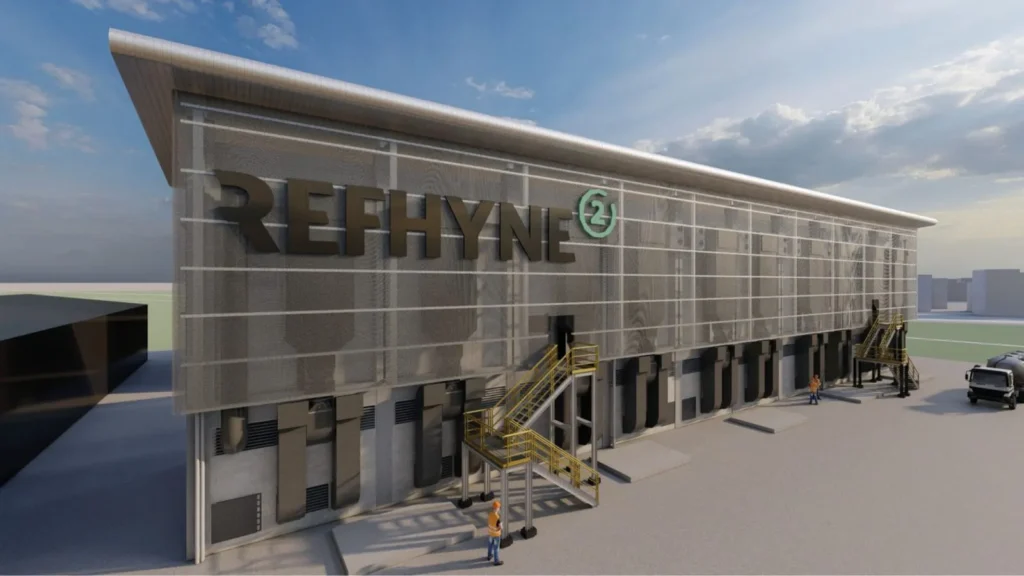
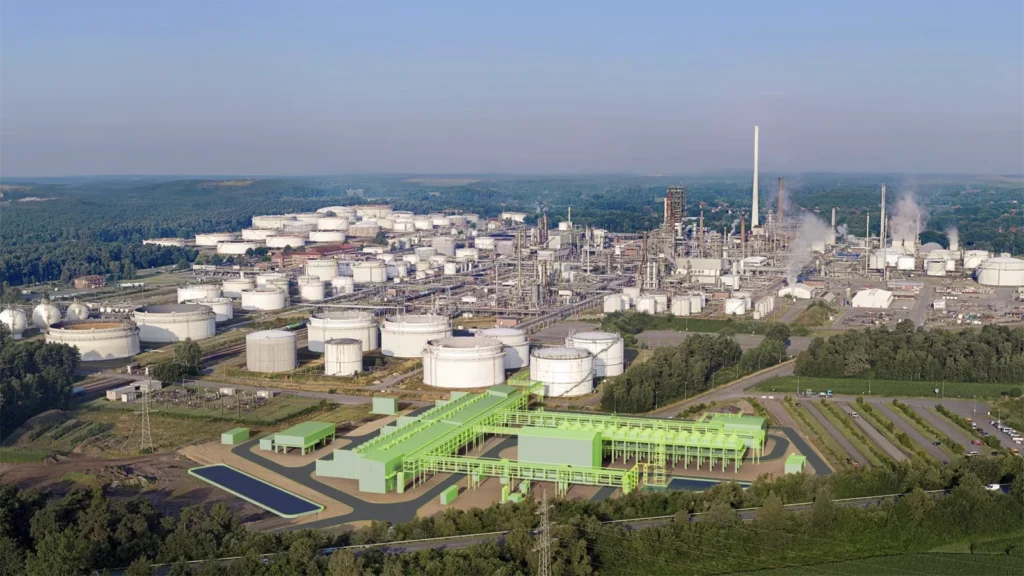
Shell has signed two long-term power purchase agreements (PPAs) in Germany to supply renewable electricity to its upcoming 100-megawatt hydrogen electrolyser, REFHYNE 2, at the Shell Energy and Chemicals Park Rheinland, near Cologne.
The agreements will secure a significant share of the renewable electricity required to power the REFHYNE 2 hydrogen electrolyser — marking a major step in scaling up renewable hydrogen in Europe.
What is REFHYNE 2?
REFHYNE 2 is an extension of the original REFHYNE project, which saw Shell commission a 10-megawatt PEM electrolyser at the same site back in 2021. That project was one of the largest of its kind at the time and served as a key testbed for scaling hydrogen infrastructure.
REFHYNE 2 ups the ante.
REFHYNE 2, which progressed following a Final Investment Decision in 2024, will have ten times the capacity of its predecessor. Once operational, it is expected to produce up to 16,000 tonnes of low-carbon hydrogen annually.
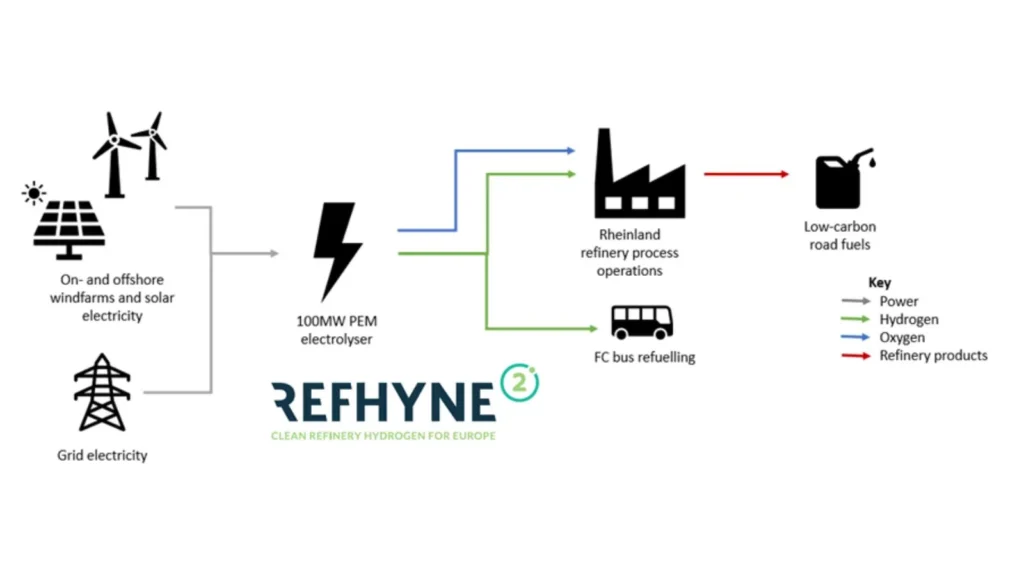
That hydrogen will help decarbonise the refinery’s own processes and could support wider transport and industrial applications in the future.
Where is the power coming from?
The first power agreement is a five-year deal with Nordsee One, a joint venture owned and operated by Northland Power and RWE. Nordsee One is the operator of a 332 MW offshore wind farm in the North Sea. Shell will offtake around a third of the wind farm’s output, giving REFHYNE 2 a large share of clean energy from offshore wind.
“This corporate PPA for carbon free electricity will deliver steady economic and environmental value for all its partners and show the potential for offshore wind to support the decarbonisation of the German industry,” said Till Frohloff, Managing Director of Nordsee One.
The second agreement is a 10-year deal with Solarkraftwerk Halenbeck, supplying solar electricity from a photovoltaic (PV) plant in Brandenburg.
Karl-Heinz Remmers, co-CEO of Solarkraftwerk Halenbeck, said: “The Halenbeck project shows that subsidy-free solar power production in Germany and its large-scale industrial use is a reality. Using this electricity to help produce hydrogen for the decarbonisation of fuels and chemical products is a huge step forward.
“It demonstrates once again that solar power has become a mainstay of Germany’s energy supply.”
Together, these PPAs will enable Shell to operate REFHYNE 2 with zero-emission electricity, aligning with European hydrogen regulations and Shell’s net-zero goals.
Shell’s strategy for hydrogen and renewables
The move is a key milestone in Shell’s hydrogen ambitions.
Andy Beard, Shell’s President of Hydrogen, commented: “Through these renewable power agreements, we are bringing together our advanced trading capabilities and our Low Carbon Solutions expertise to decarbonise Shell’s operations and customer products with pioneering renewable hydrogen technology.
“This is an exciting milestone in progressing the REFHYNE 2 project and showcases Shell’s strategy of delivering more value with less emissions.”
A blueprint for future hydrogen projects
REFHYNE 2 is partially funded by the European Union’s Horizon 2020 fund, which backs large-scale decarbonisation projects across Europe. It’s seen as a flagship example of how renewable electricity and hydrogen can work together to reduce emissions from hard-to-abate sectors — starting with refining.
REFHYNE 2 is expected to start operations in 2027.