EU funds 38 new hydrogen refuelling stations in €600 million push for clean mobility

The European Union has approved over €600 million in funding to accelerate alternative fuel infrastructure across the continent — with 38 new hydrogen refuelling stations set to benefit.
The funding is granted under the Alternative Fuels Infrastructure Facility (AFIF). It is part of a larger plan to fast-track zero-emission mobility for road, rail, ports and airports.
In total, 42 projects across 26 EU Member States will receive support. Alongside EV charging, shore-side power, and airport electrification, hydrogen infrastructure takes a major role — helping to decarbonise heavy-duty transport routes for trucks, buses and cars.
38 hydrogen stations to be built across Europe
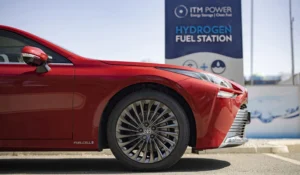
Among the confirmed projects, developers will build 38 new hydrogen refuelling stations. These will serve cars, trucks and buses, helping expand the use of hydrogen-powered vehicles in line with the EU’s transport decarbonisation goals.
The new funding brings the total number of AFIF-supported hydrogen stations to 106, since the programme began in 2021.
Hydrogen infrastructure is crucial for meeting the AFIR regulation, which mandates minimum refuelling coverage across Europe’s core road network by 2030. The European Commission has clearly placed hydrogen alongside electricity in its long-term alternative fuels strategy.
Part of a growing EU-wide network
Since 2021, AFIF has provided funding to 208 projects, supporting a combined €1.3 billion in EU contributions. These investments will help unlock more than €3.5 billion in total funding. The funding will help roll out large-scale alternative fuel infrastructure in line with Europe’s Green Deal and Fit for 55 goals.
This round of hydrogen station projects will complement existing national strategies to scale up hydrogen mobility — especially for commercial transport.
Hydrogen and ammonia at European ports
Hydrogen isn’t the only clean fuel receiving a boost in this round of EU funding. The initiative also supports alternative fuel infrastructure for ports, with a strong focus on ammonia and electrification.
One of the confirmed projects includes ammonia bunkering infrastructure — a first for the EU’s Alternative Fuels Infrastructure Facility (AFIF). This signals growing confidence in hydrogen-derived fuels like ammonia as viable options for the decarbonisation of maritime transport.
By investing in bunkering capabilities, the EU is laying the groundwork for future hydrogen-ammonia value chains. This supports the maritime sector’s efforts to reduce emissions and aligns with the broader shift toward net-zero shipping.
For hydrogen advocates, the port-side investment shows a widening commitment beyond road transport. With ammonia produced from green hydrogen, ports could become crucial hubs in the hydrogen economy — supporting not just shipping, but industrial users and export routes too.
What’s next?
The European Commission has confirmed that the current AFIF call has now exhausted its available budget.
As a result, the third cut‑off date has been cancelled, and no further proposals will be accepted under this call. Developers and infrastructure providers will now have to wait for the Commission to announce future funding rounds or new mechanisms to support zero‑emission transport infrastructure.