Toyota: hydrogen will replace diesel in the 2030s, says Aussie sales boss
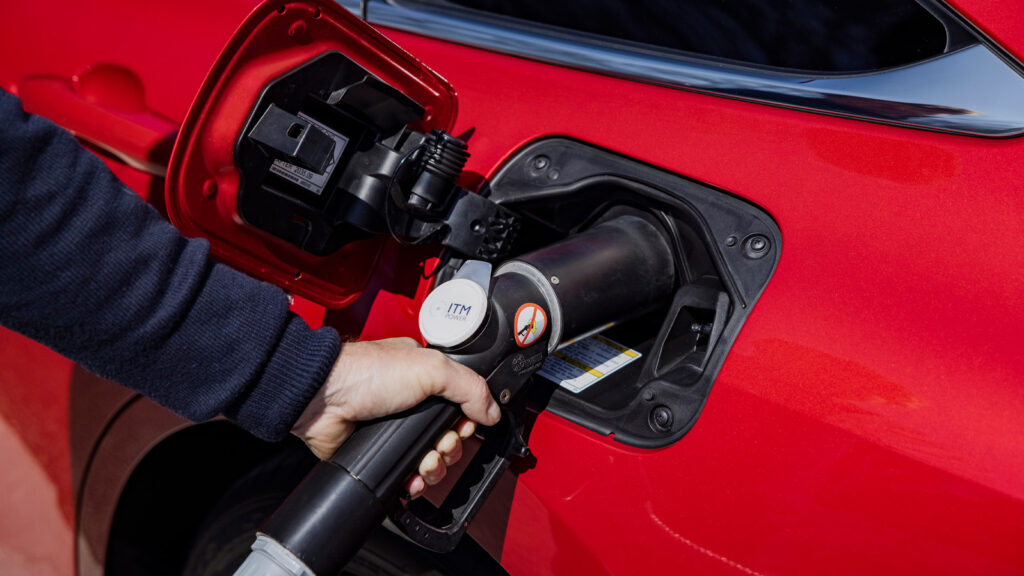
Toyota Australia expects hydrogen to replace diesel in the longer term, with the company’s head of sales and marketing tipping the change to come beyond 2035.
Sean Hanley, Toyota Australia’s vice president of sales, marketing and franchise operations, told journalists including CarExpert that diesel will remain important this decade, but not indefinitely.
“Diesel’s not going to go anytime in the next decade, but beyond that – I think hydrogen will take over diesel,” Hanley said.
Hanley added that diesel retains strong cultural roots in Australia, but argued its long-term future is limited.
“I think there’s a culture of diesel in Australia … eventually I think diesel in – not the foreseeable future – but in the longer term, I can’t imagine diesel necessarily being a fuel of the future, because the reality is a petrol [vehicle] can do everything it can do – plus some.”
Diesel still dominates Toyota sales
Despite Toyota’s pivot to hybrids, diesel accounts for nearly half the company’s local sales. According to figures cited by CarExpert, Toyota sold 163,491 vehicles in Australia between January and August 2025, of which 79,132 – or 48.4% – were diesels. Models include the HiLux, LandCruiser, Prado, Fortuner, Granvia, HiAce and Coaster.
Hanley told reporters that conventional engines will not disappear immediately: “Turbo-diesel and turbocharged petrol internal combustion engines will still have a role to play for some time in Australia for particular applications.”
Hydrogen on the 2035 horizon
Hanley cautioned that hydrogen will not take off overnight, but identified the 2030s as the decade when momentum will shift.
“I don’t want people to think that hydrogen is suddenly going to be taking off between now and 2030,” he said.
“But in the 2030s, particularly that 2035 horizon, I truly believe hydrogen will be our future – and that’s where, I think, you might see a change of diesel technology… we’re setting up for that future.
“Why? Hydrogen’s clean, hydrogen has range, hydrogen infrastructure will be significantly better than what you have today, obviously. It’ll be more convenient, and it’ll be affordable.”
Toyota’s hydrogen track record
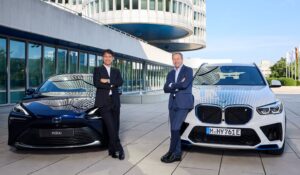
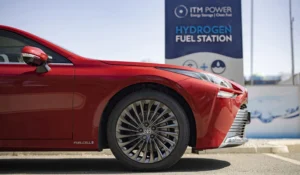
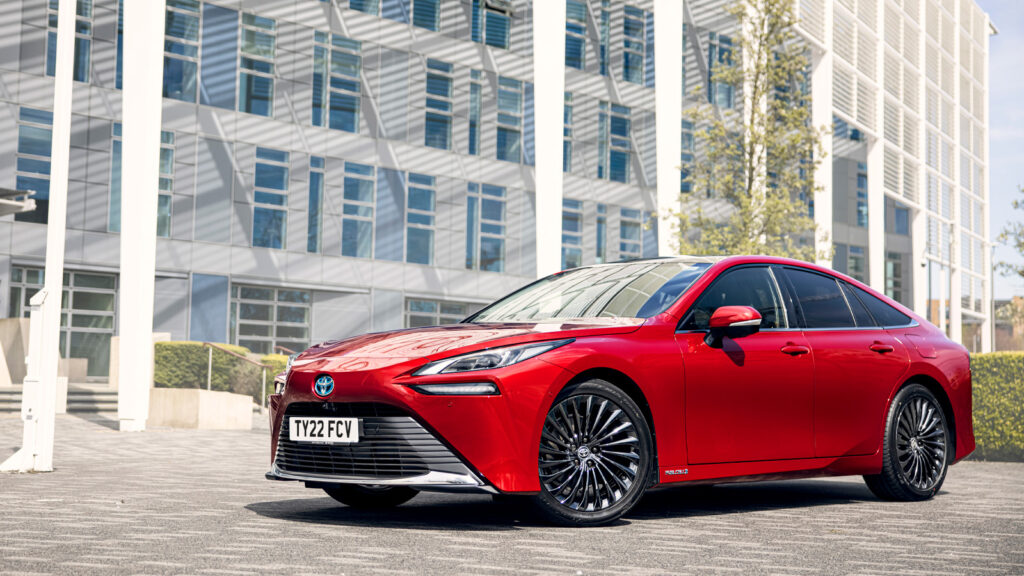
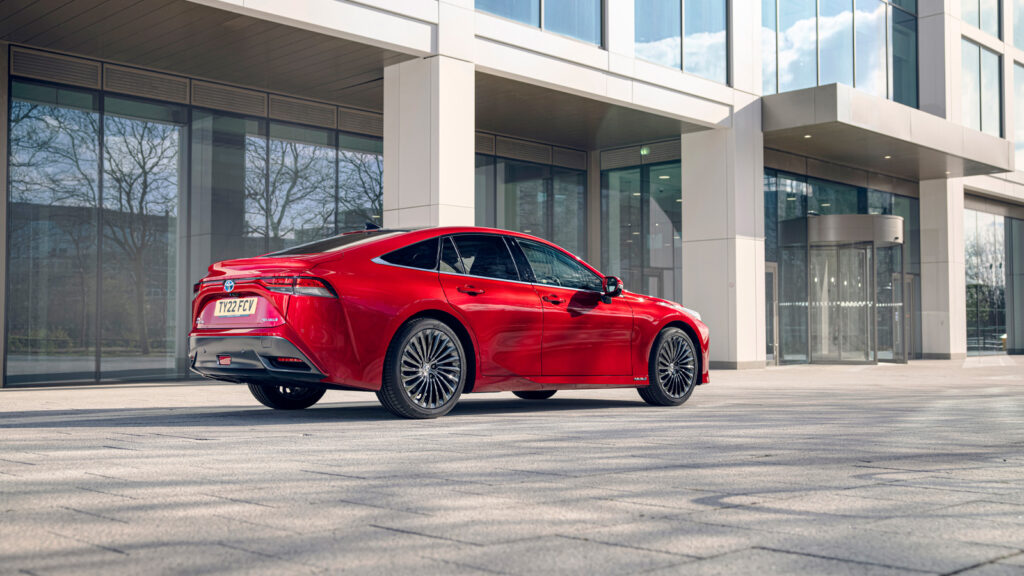
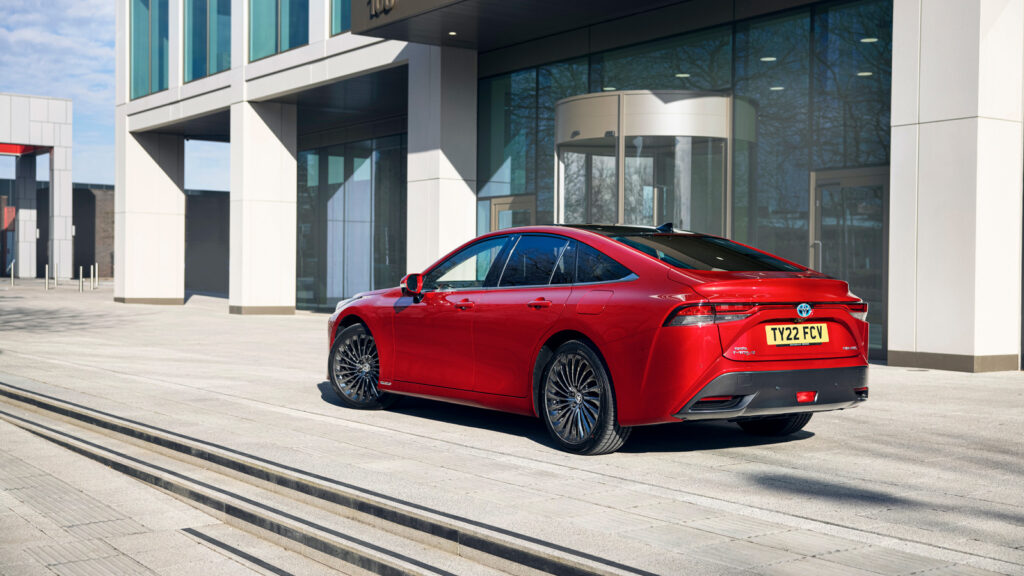
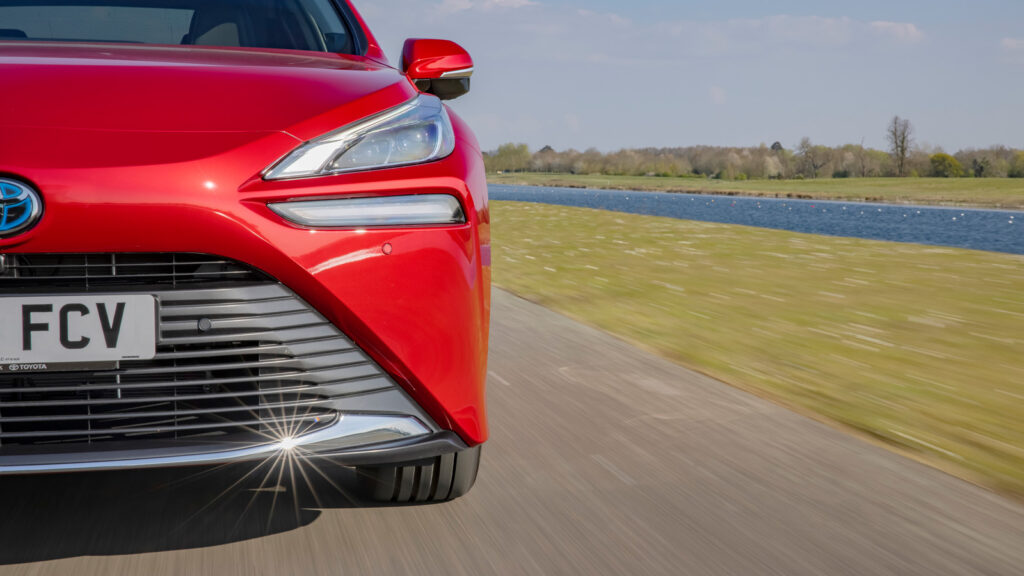
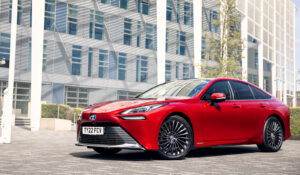
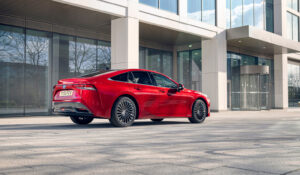
Globally, Toyota has been one of the longest-running backers of fuel-cell technology. The first-generation Mirai arrived in Japan and California in 2014, followed by the current second-generation model in 2020, which expanded into more markets including Europe.

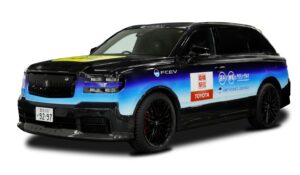
Beyond passenger cars, Toyota has been developing hydrogen prototypes across commercial vehicles.
A batch of hydrogen HiLux pick-ups was built in the UK in 2023 with support from the UK government, while in Japan the company has partnered with Hino on fuel-cell buses and heavy trucks.
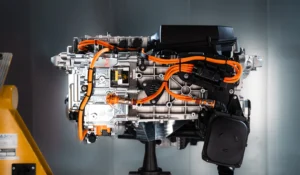
Toyota has also supplied fuel-cell modules for maritime and stationary power projects, broadening the technology’s applications.
The company says these pilots are about building the groundwork for mass adoption in the 2030s – the same horizon Hanley pointed to when discussing diesel’s decline.