HYCEL station fuels hydrogen trucks with locally made H2
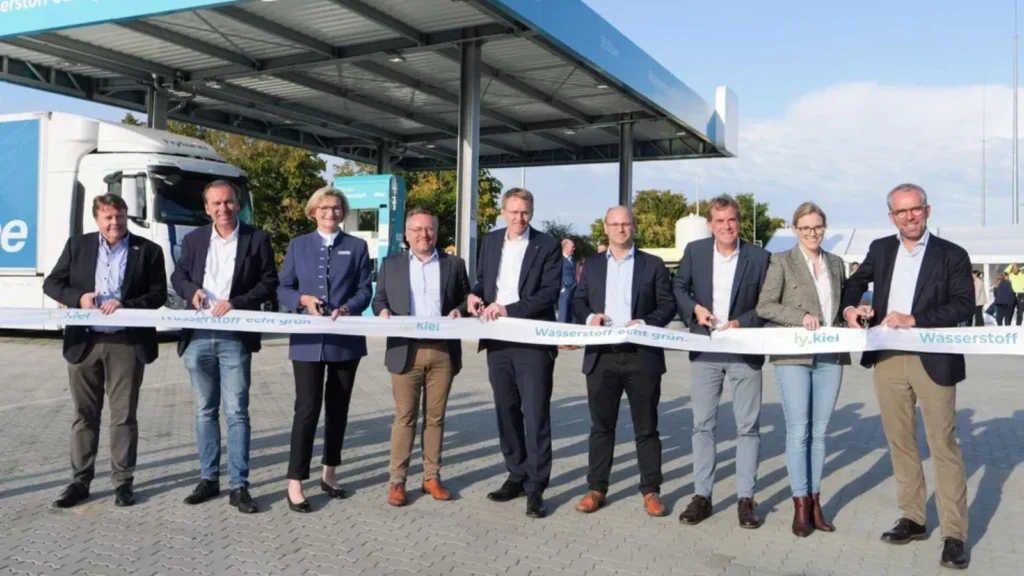
GP JOULE powers up Hürup refuelling site, supplying real-world logistics fleets in Schleswig-Holstein.
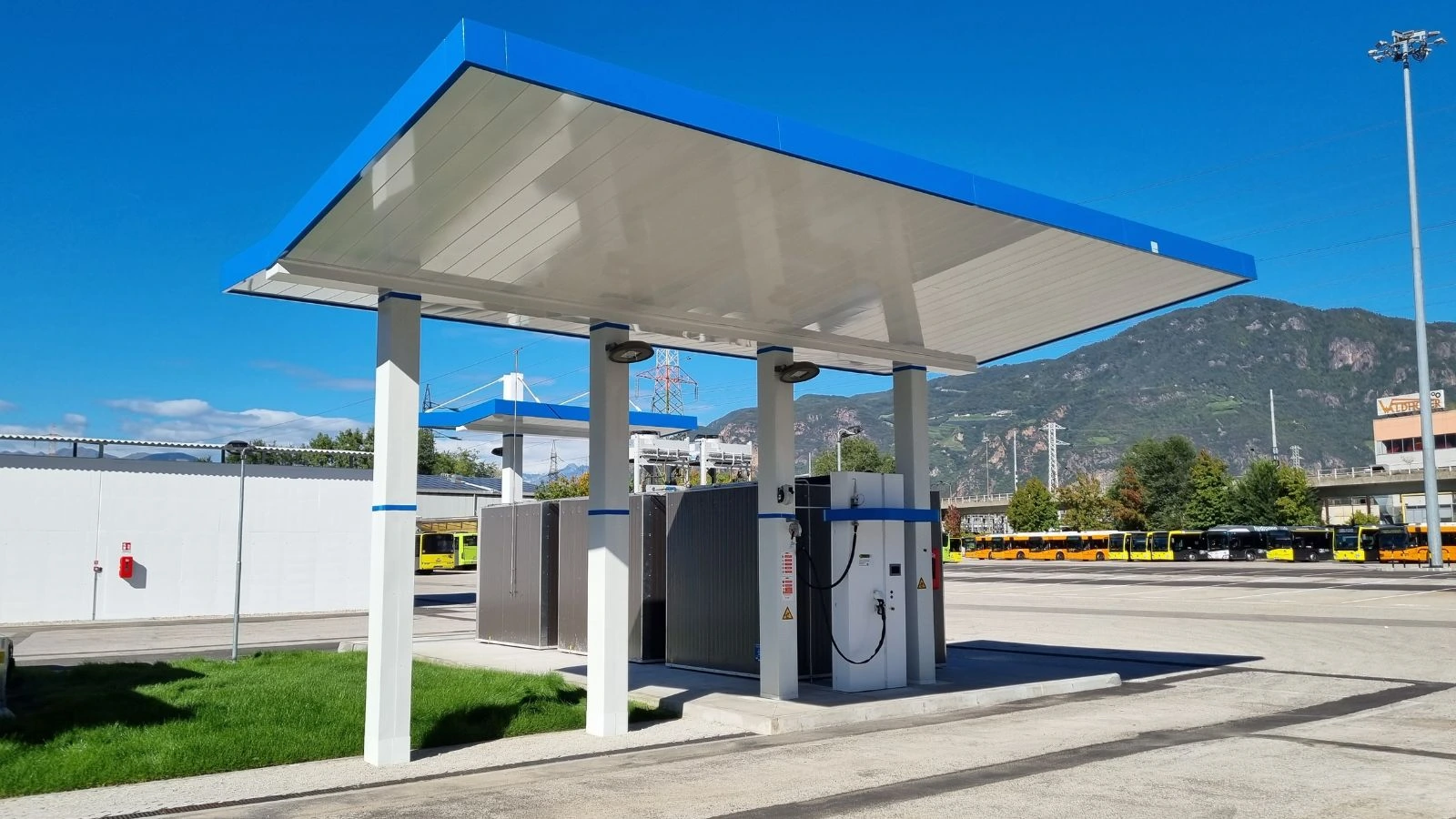
While the headlines often go to big-name brands and glossy motorway stations, it’s places like Hürup, tucked away near Flensburg, that are doing the heavy lifting. GP JOULE has officially opened its latest HYCEL hydrogen refuelling station, and unlike a lot of H2 infrastructure in Europe, this one is already fuelling proper trucks doing proper jobs.
The site supplies locally produced green hydrogen to a fleet of Hyundai XCIENT fuel cell trucks. These aren’t test mules or trade show props. They’re out on the road, part of daily logistics operations in northern Germany. The hydrogen is created as part of GP JOULE’s wider eFarm project, which links renewables, electrolysis, and transport in one local loop.
The station was opened by Minister-President Daniel Günther, who made it clear that hydrogen is central to the region’s clean transport ambitions:
“Hydrogen is one of the keys to making mobility and logistics climate-neutral. With this infrastructure, Schleswig-Holstein is leading the way.”
Trucks, not talking points
The site provides 350-bar refuelling and is geared for commercial volumes. That means repeat fills, quick turnaround, and zero diesel backup. It’s already handling a fleet, and it’s been built with expansion in mind.
If it feels like there’s been a steady drumbeat of new hydrogen stations in Germany, that’s because there is. Just last week, Wolftank’s Dettelbach site went live further south. What makes Hürup different is how self-contained it all is. The energy is generated locally, the hydrogen is produced and stored on-site, and the trucks it fuels are already working in the region. It’s not a future concept – it’s functioning infrastructure that’s in use right now.

A step towards 2030
The timing couldn’t be better. The rollout lands ahead of the EU’s AFIR regulation, which will require hydrogen refuelling stations at least every 200km along the TEN-T core road network and at major transport hubs by 2030. Projects like HYCEL are helping Germany tick those boxes early, and proving the model works before the mandate kicks in.
Germany already has the most hydrogen refuelling stations in Europe, but the challenge has always been scale and actual usage. With fleets like the XCIENT trucks now fuelling daily, we’re starting to see movement from demonstration to deployment.
North Germany leading from the front
Schleswig-Holstein might not have the profile of Bavaria or Berlin, but it’s fast becoming a key region for hydrogen logistics. GP JOULE’s eFarm network is one of the most integrated anywhere in Europe, with hydrogen production, transport and use all linked within the same state.
This is what the hydrogen transition actually looks like: not just glossy plans, but working kit in real places. Trucks roll in, fuel up with clean hydrogen made just down the road, and head out again, without a drop of diesel or a gram of tailpipe CO₂.
From Hürup to Dettelbach, the hydrogen map is filling up. And this time, the stations aren’t empty.